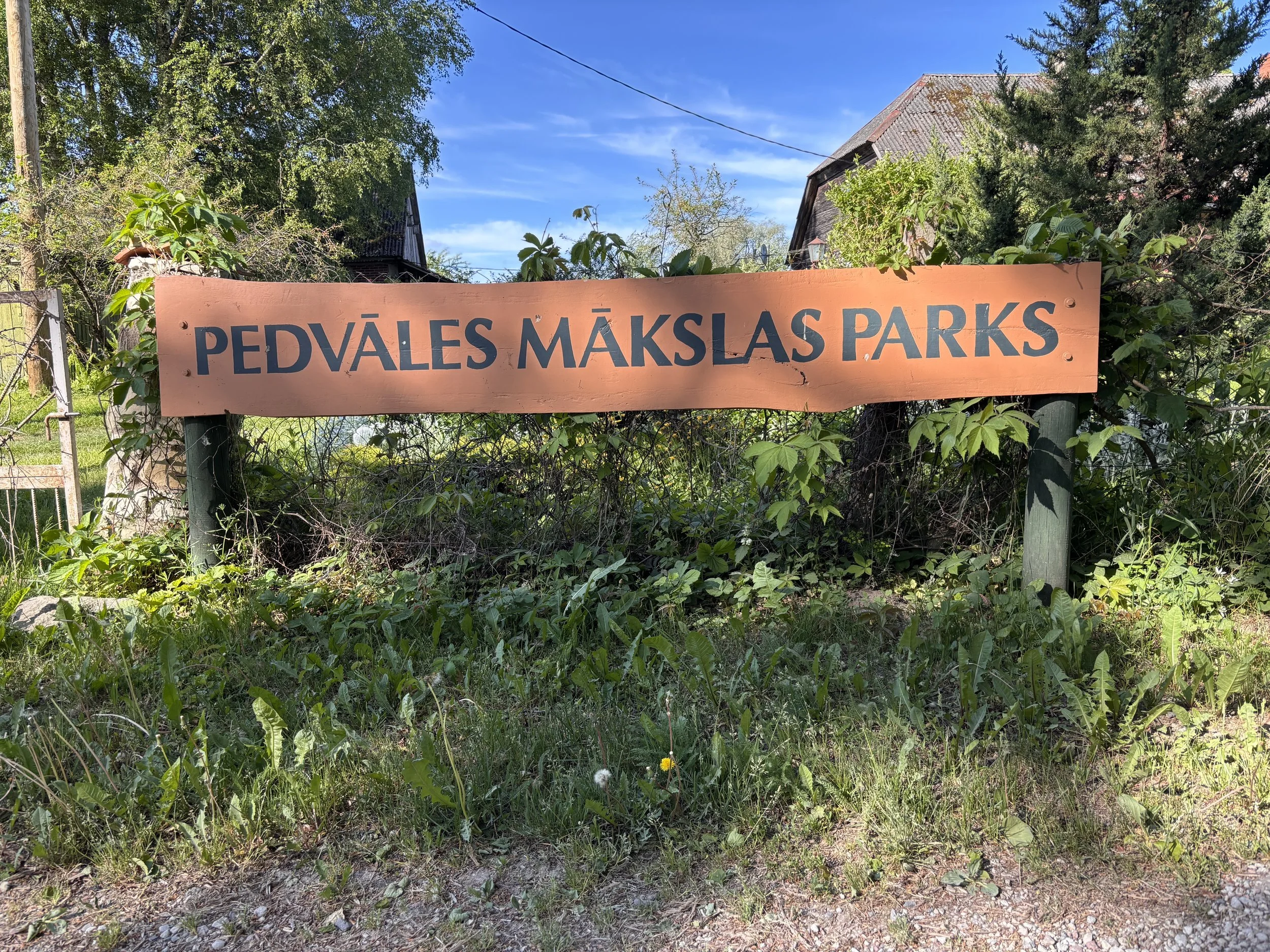
Pedvale Art Park – a place walked into being
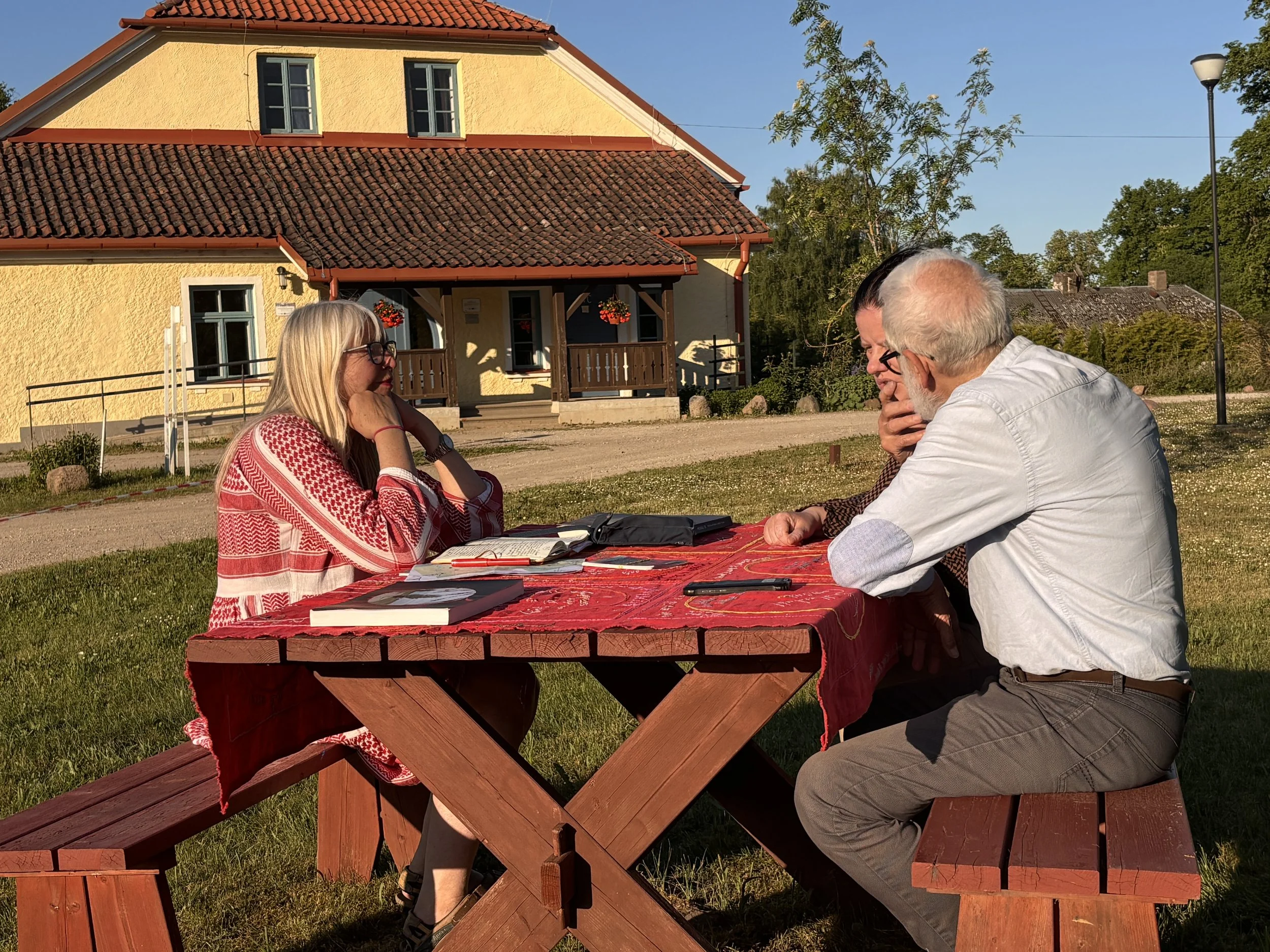
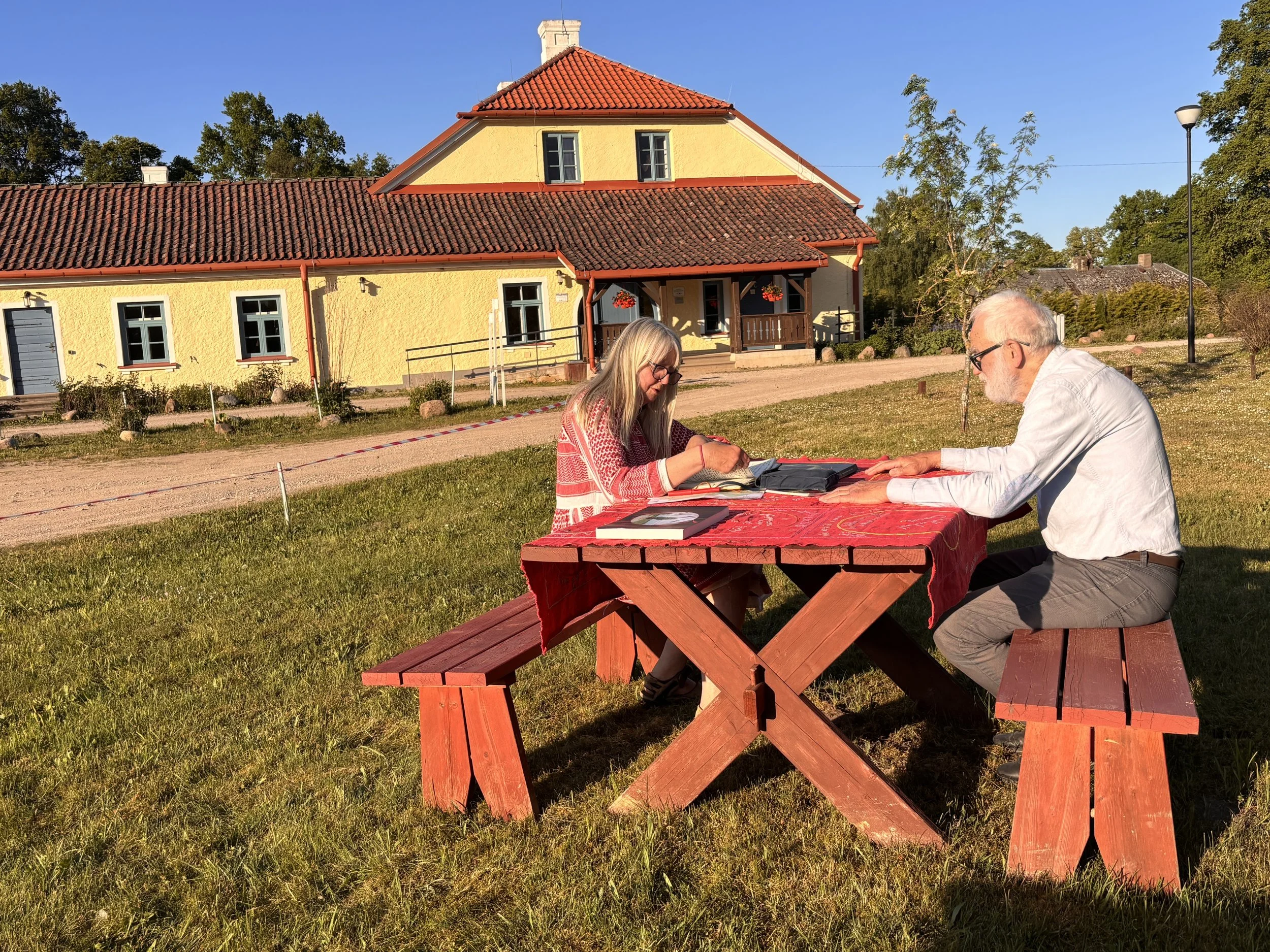
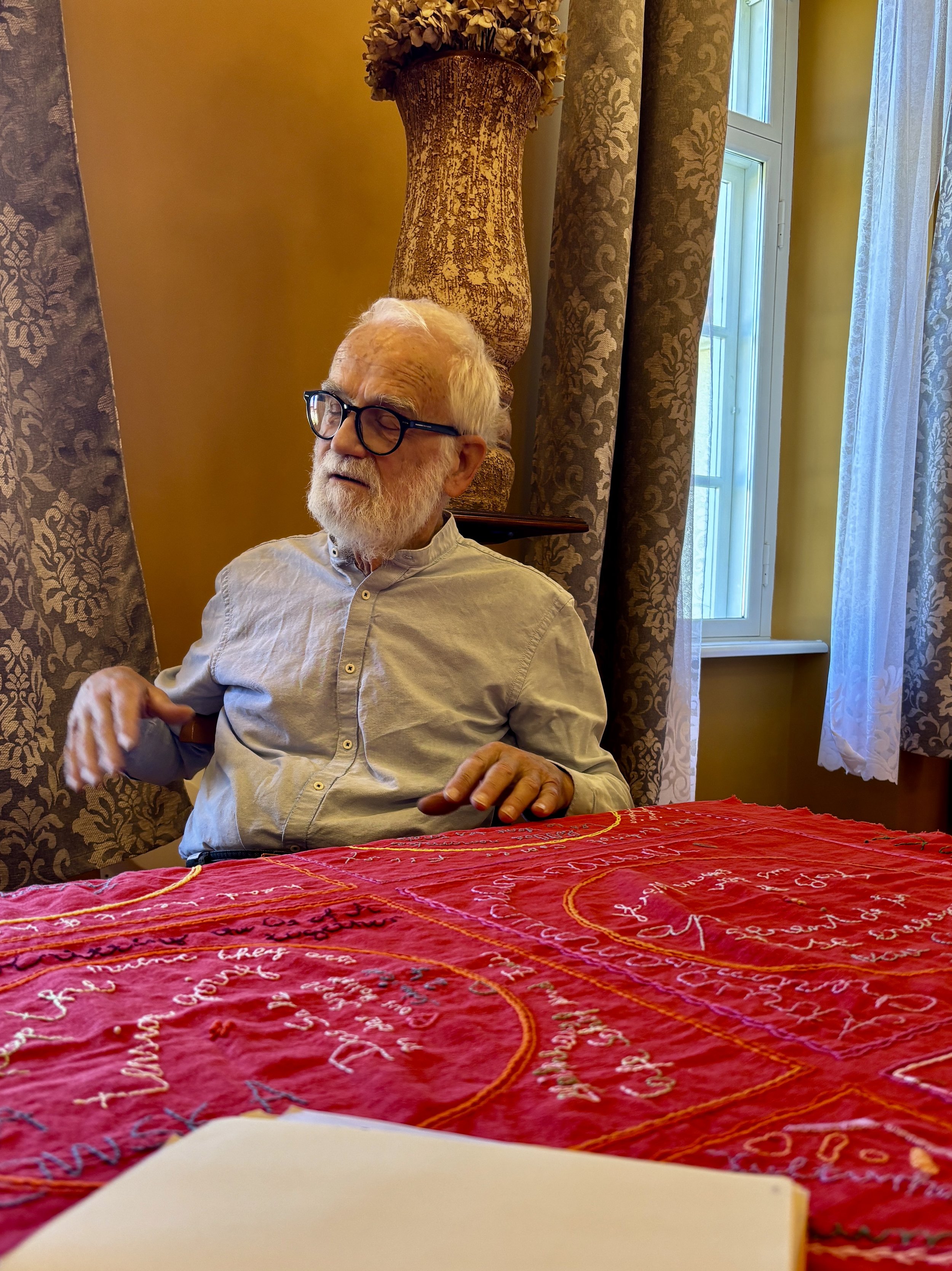
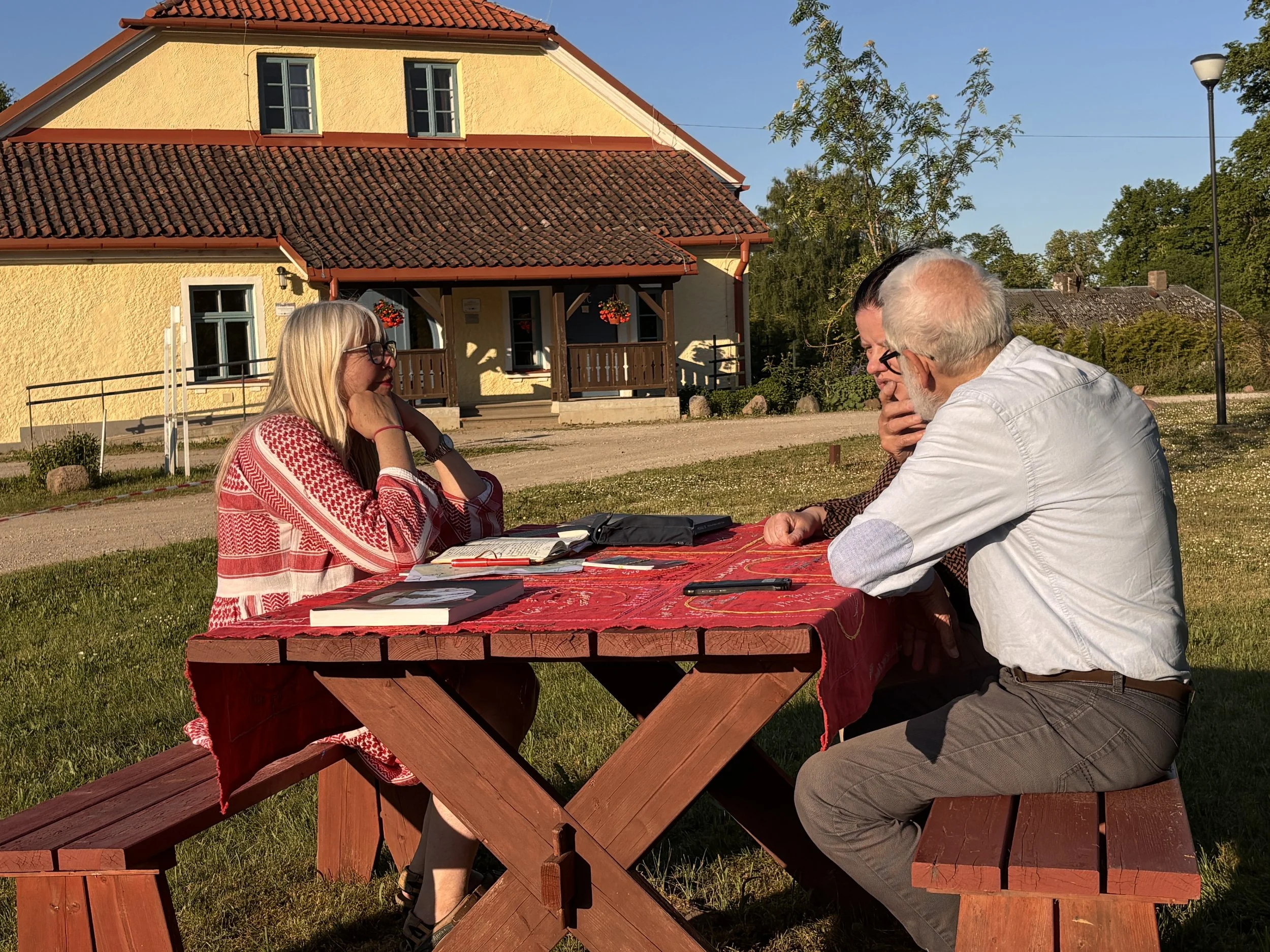
At the beginning of June I visited Pedvale Art Park, in the Kurzeme (formerly Kurland) area of Latvia. Meeting sculptor and founder Ojar Feldbergs and long-time collaborator Laura Miglone was one of those encounters that stays with you. Their enthusiasm, openness and commitment to Pedvale are infectious.
Ojar Feldbergs is and has always been the driving force behind Pedvale. He studied at the Latvian Art Academy during the Soviet period and has always been fascinated by stone and the way it embodies landscape. In the late 1970s he established a sculpture park near Riga, but after Latvia regained independence in 1991 from the Soviet Union, this like all land reverted to its former owners and he had to start again.
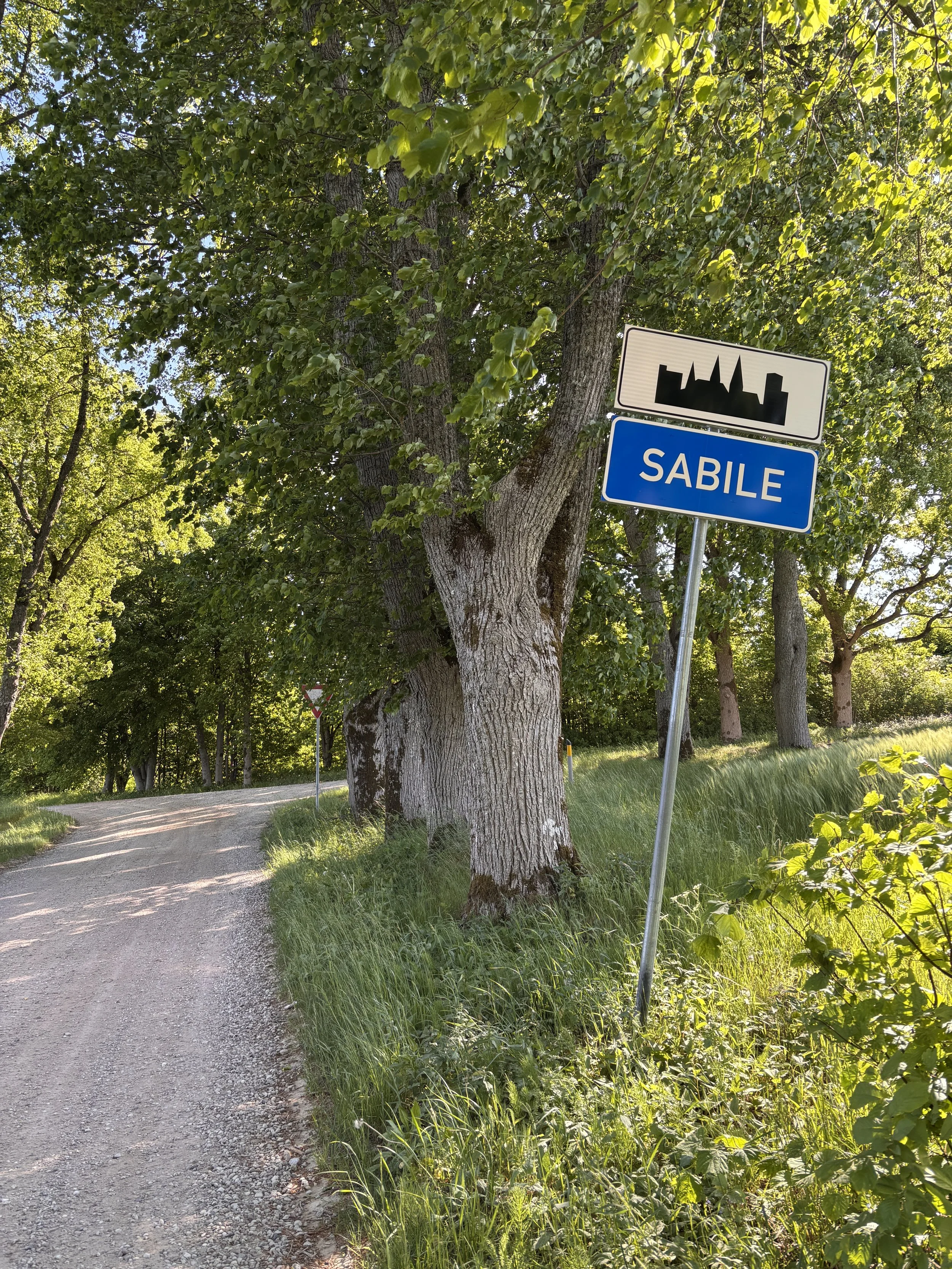
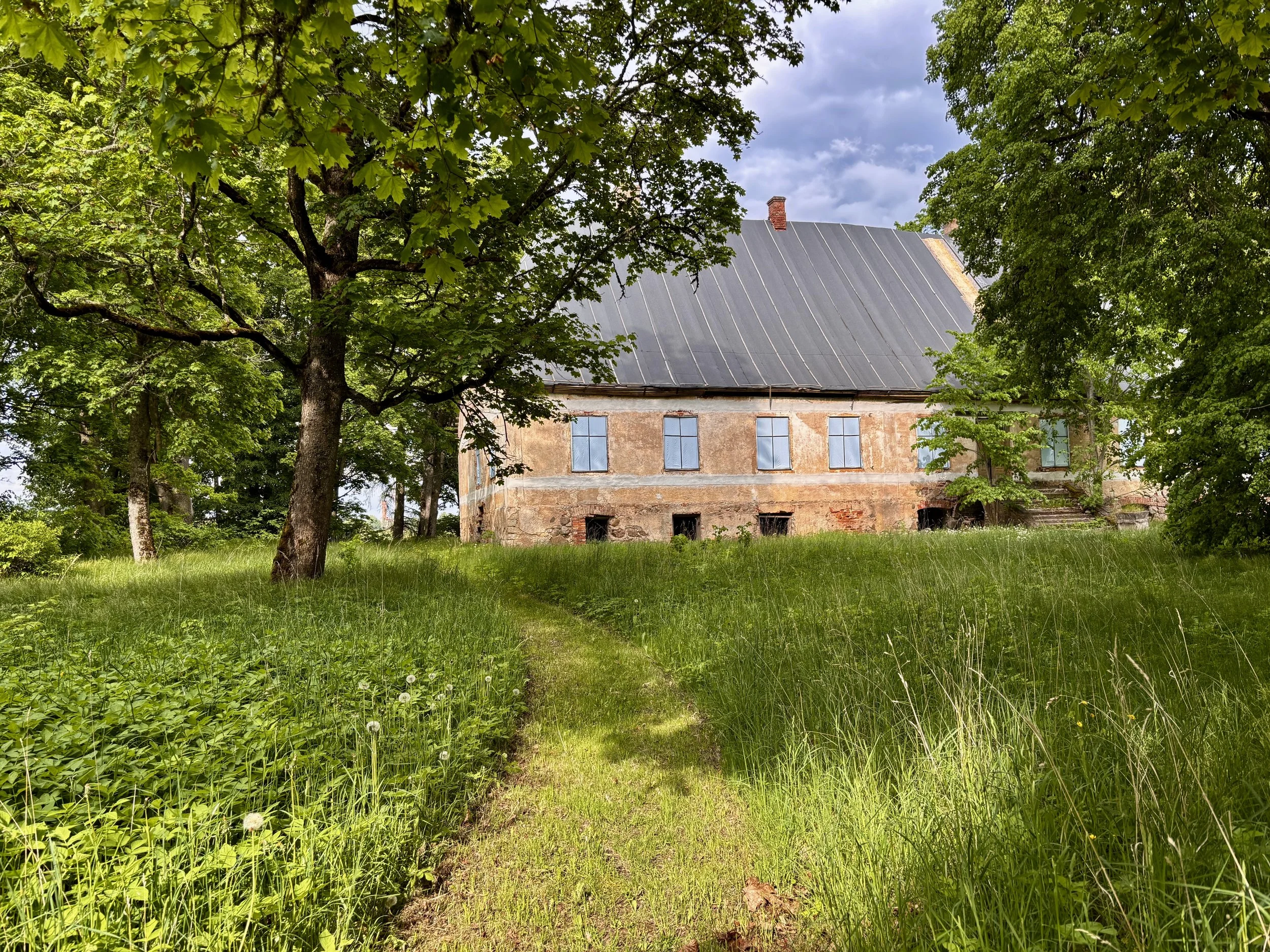
His roots lay in Sabile in Kurzeme (formerly Kurland), where his father had grown up. Here he came across the abandoned estates of Firkspedvale and Brinkenpedvale. Their former German-Baltic owners had left in 1939, following the Molotov-Ribbentrop Pact's Secret Additional
Protocol signed August 23, 1939. It was a clandestine agreement dividing Eastern Europe into German and Soviet spheres of influence. It set the stage for World War II by greenlighting the military occupation and subjugation of independent nations.
Decades of Soviet rule had left the houses derelict and unwanted. Through a combination of perseverance, family effort and a restitution scheme that recognised the suffering of families deported to Siberia, the Feldbergs family managed to acquire the property in the early 1990s.
At that time Pedvale was almost entirely overgrown.
"Through the bushes, I walked the vision," Ojar told me.
And it was by walking that vision that he came to understand the land. Through his feet, he says, he learnt its slopes and valleys, springs and streams. I immediately recognised something of my own thinking in this.
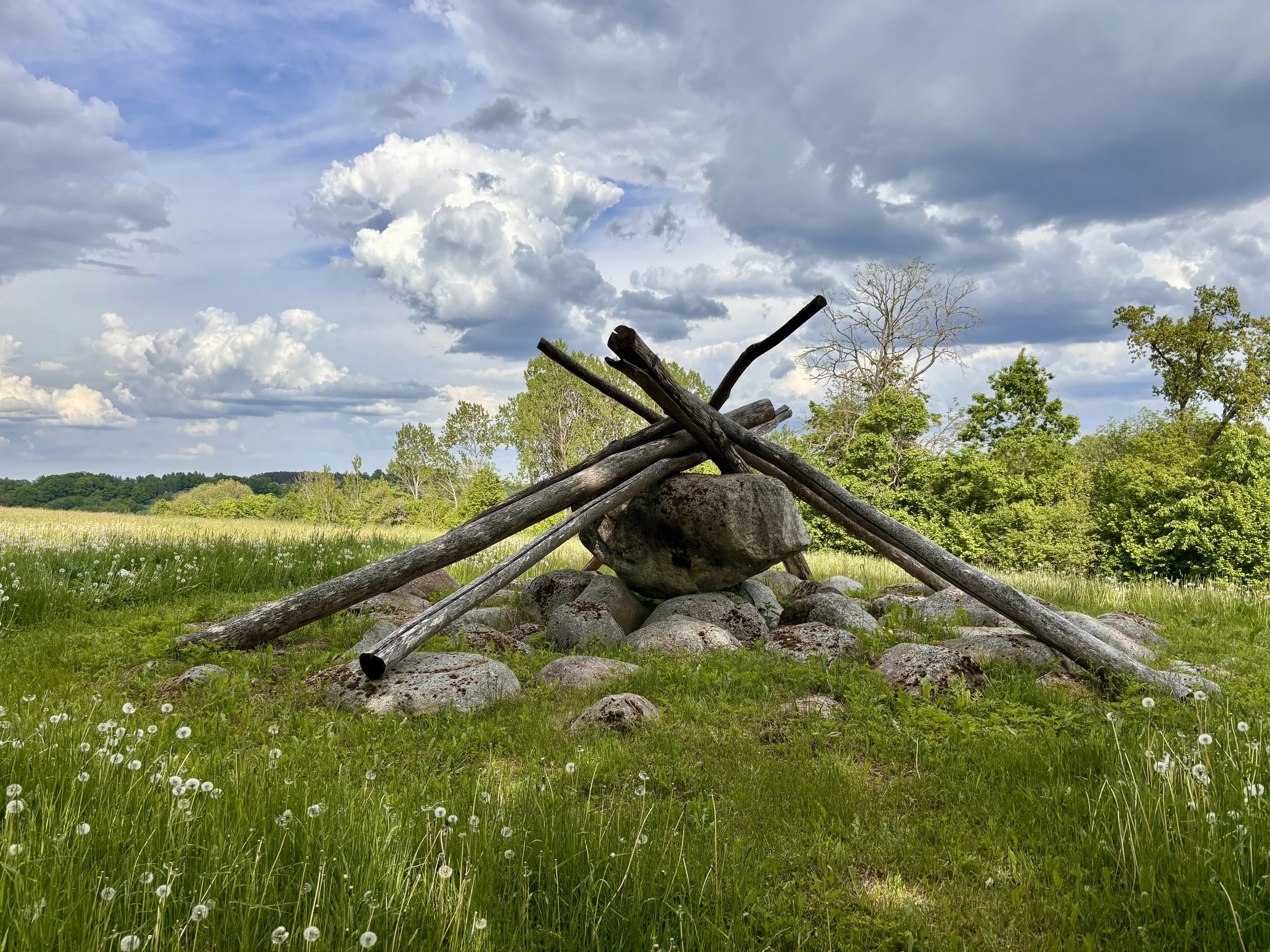
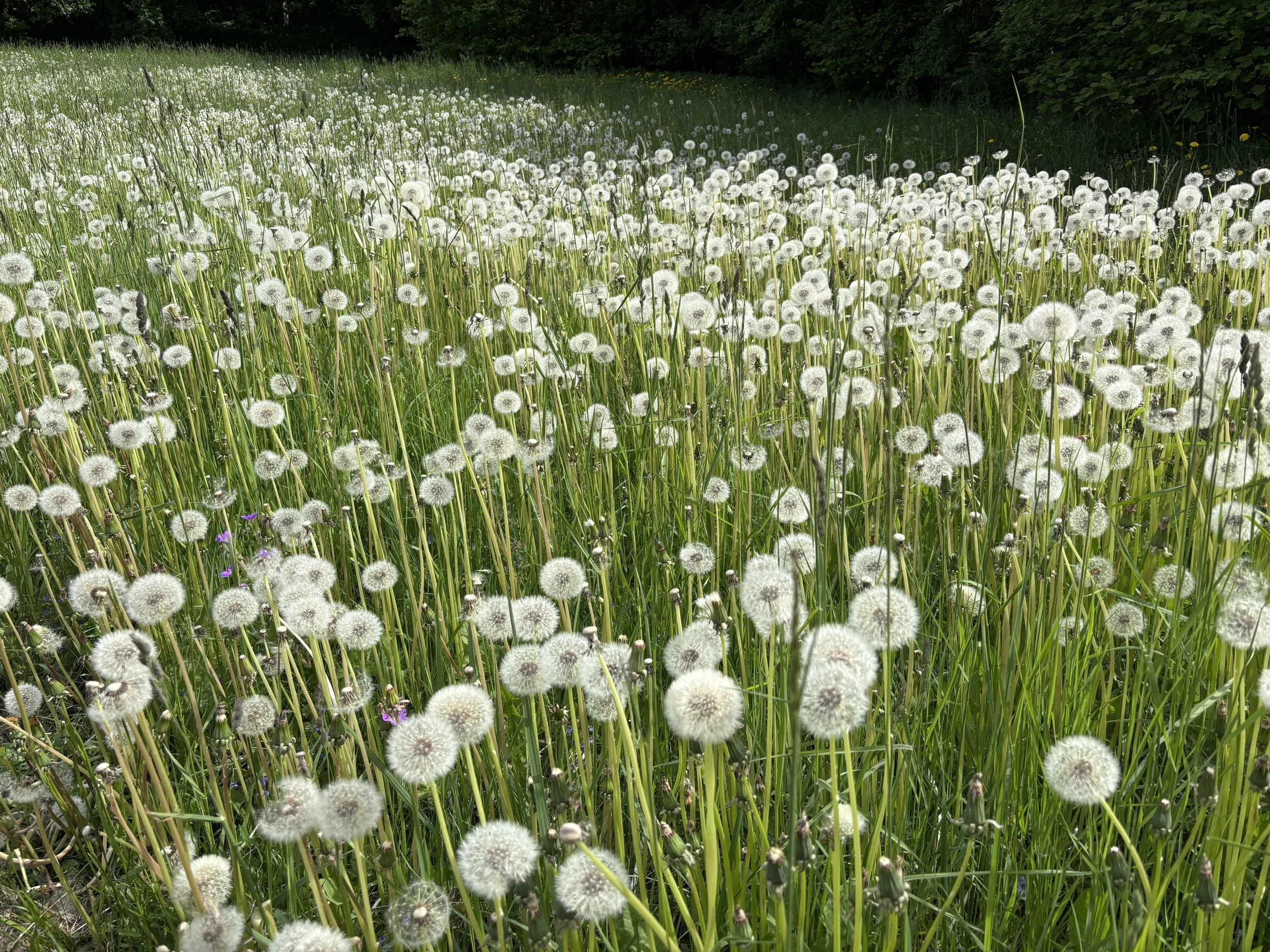
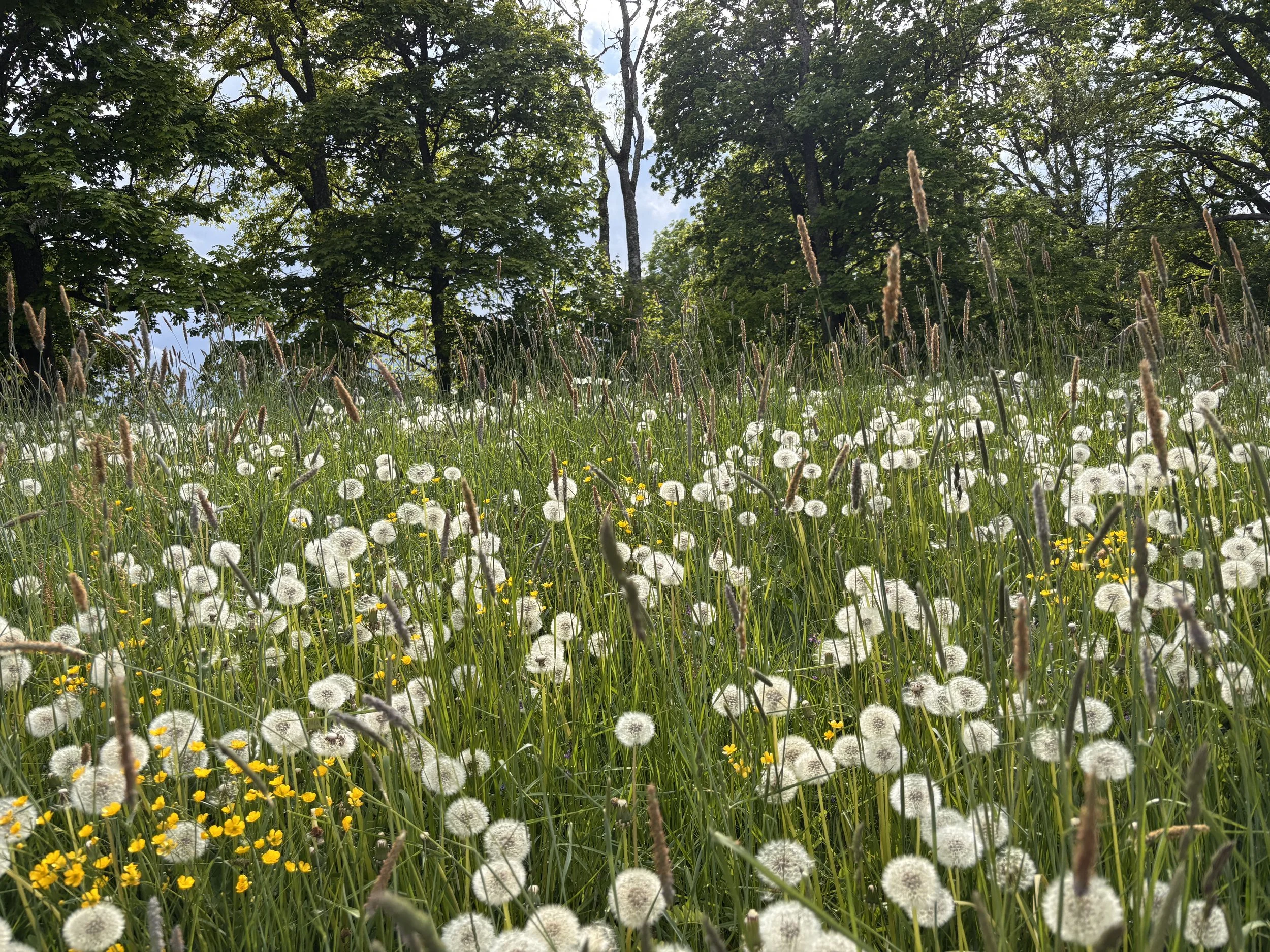
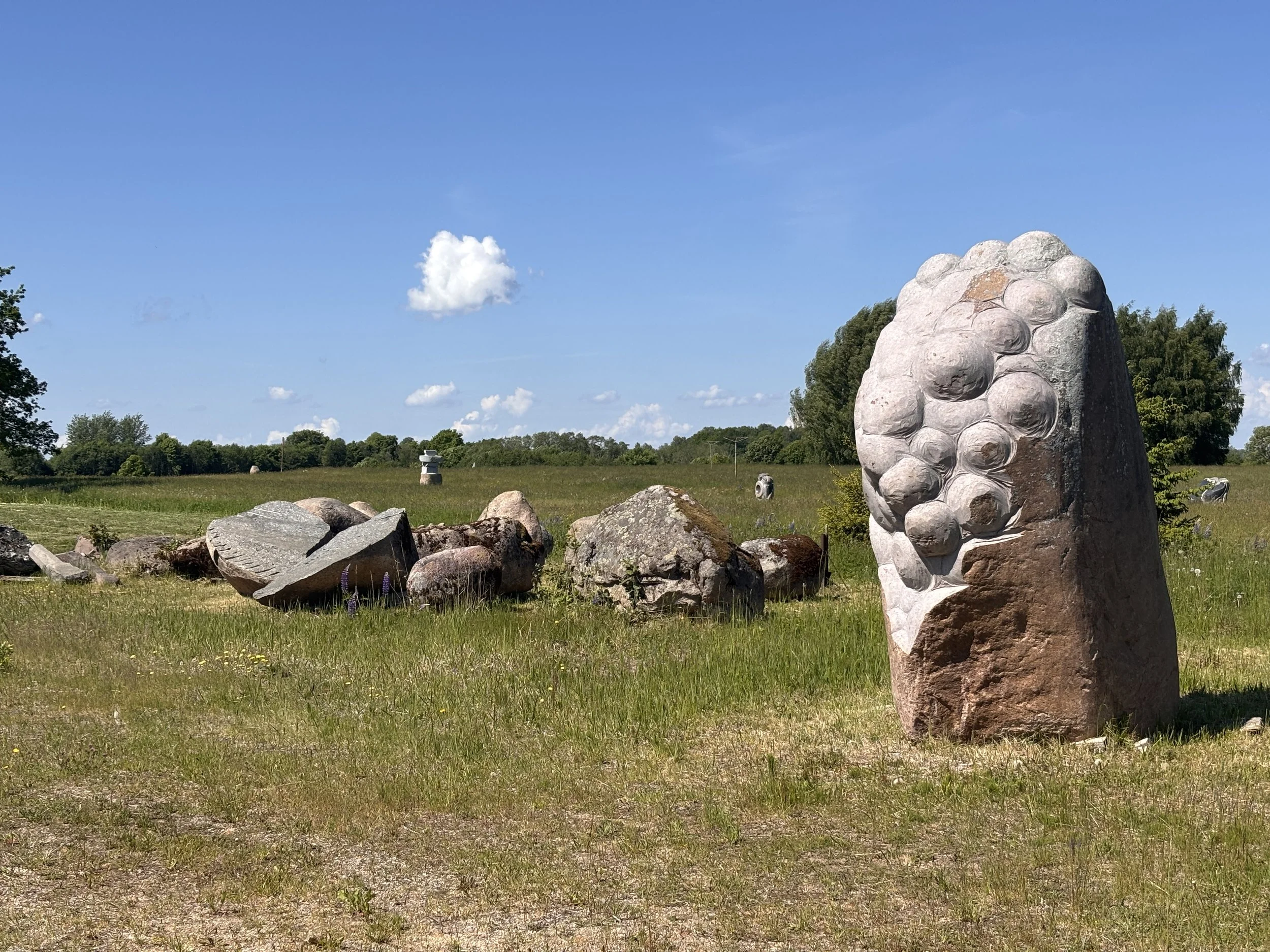
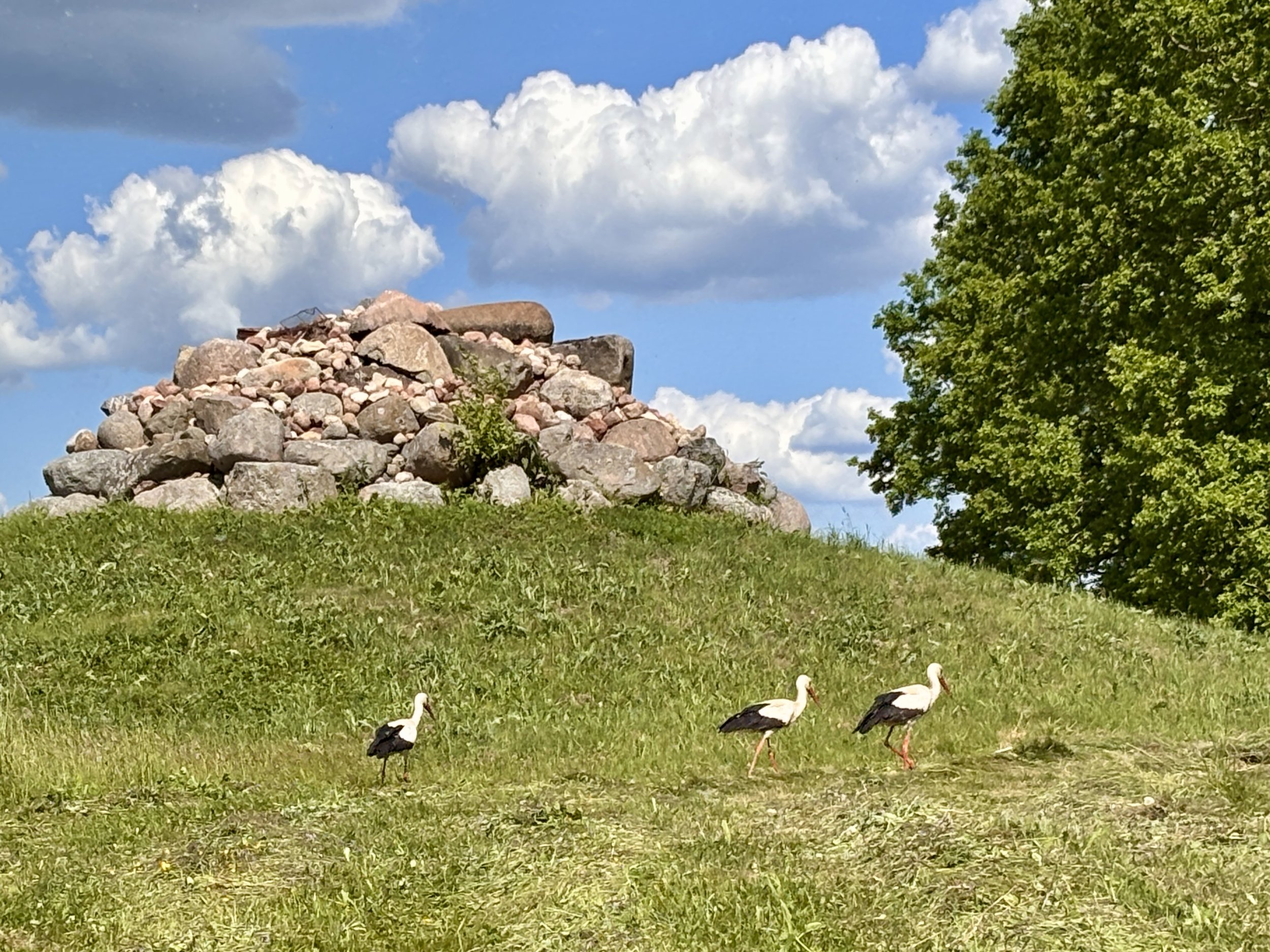
Today Pedvale extends over one hundred hectares in the beautiful Abava Valley and contains more than 150 artworks connected by around five kilometres of paths. Meadows, wooded slopes, ponds and winding streams unfold alongside sculpture and traces of earlier lives. During my walks, orchids, buttercups, lady's mantle and countless other wildflowers seemed almost to compete for attention. Everywhere, art, nature and history converse with one another.
At the centre of Ojar's philosophy lies the idea of Space – Mass – Consciousness, embodied in stone. Stone, he says, is shaped by nature over millennia and, in turn, shapes our understanding of landscape. The land becomes part of our bodies, and our bodies become part of the land.
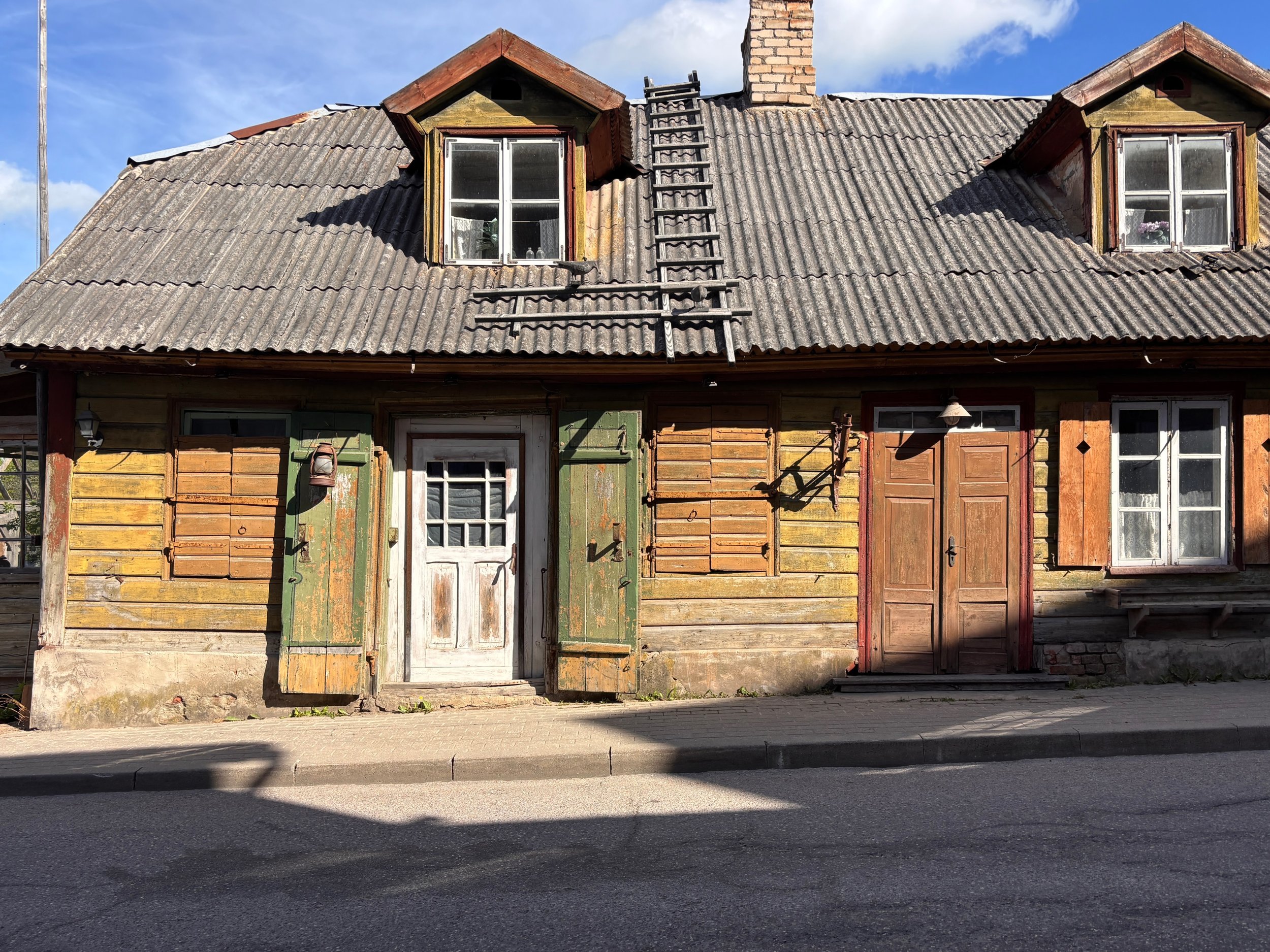
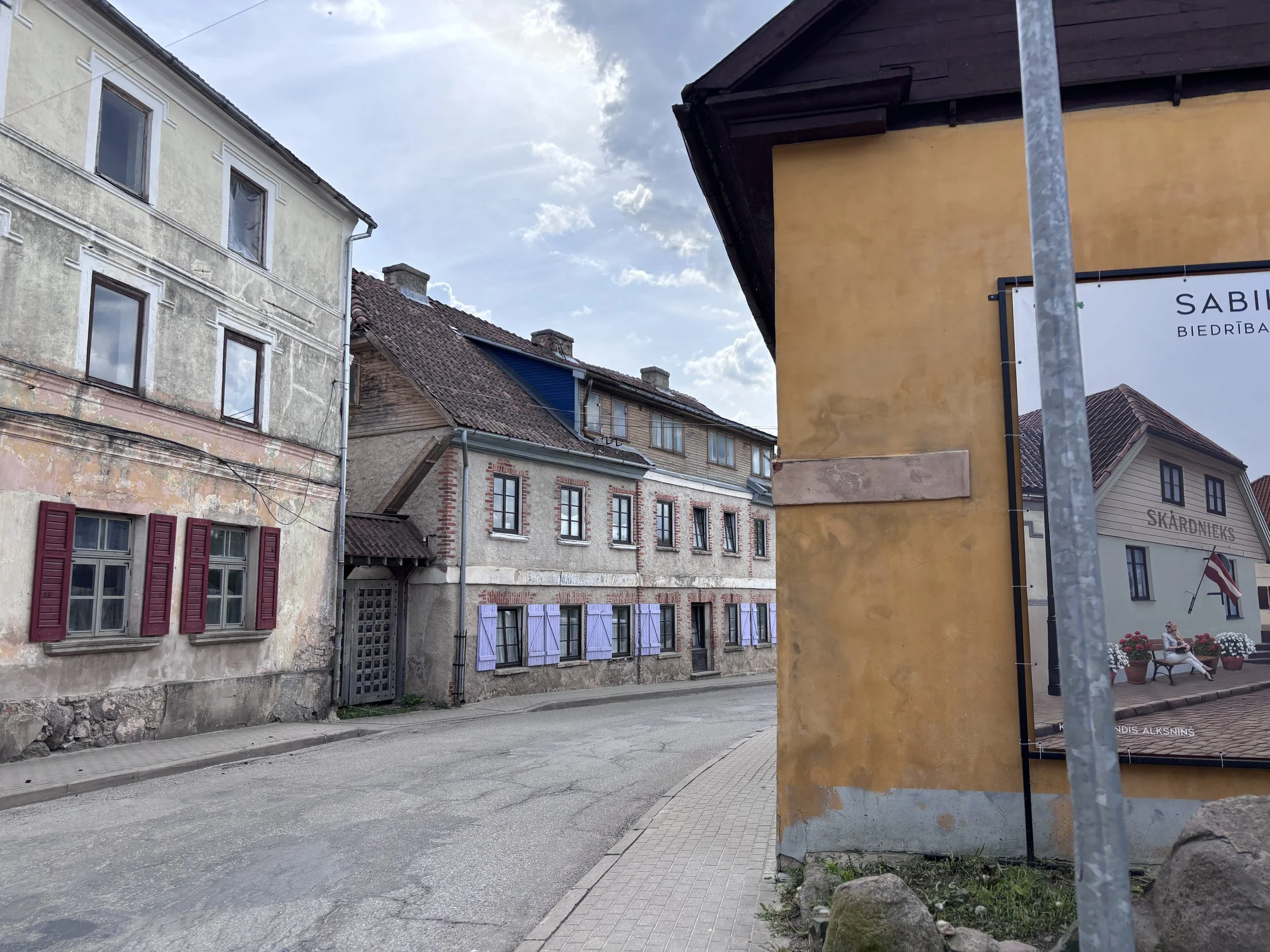
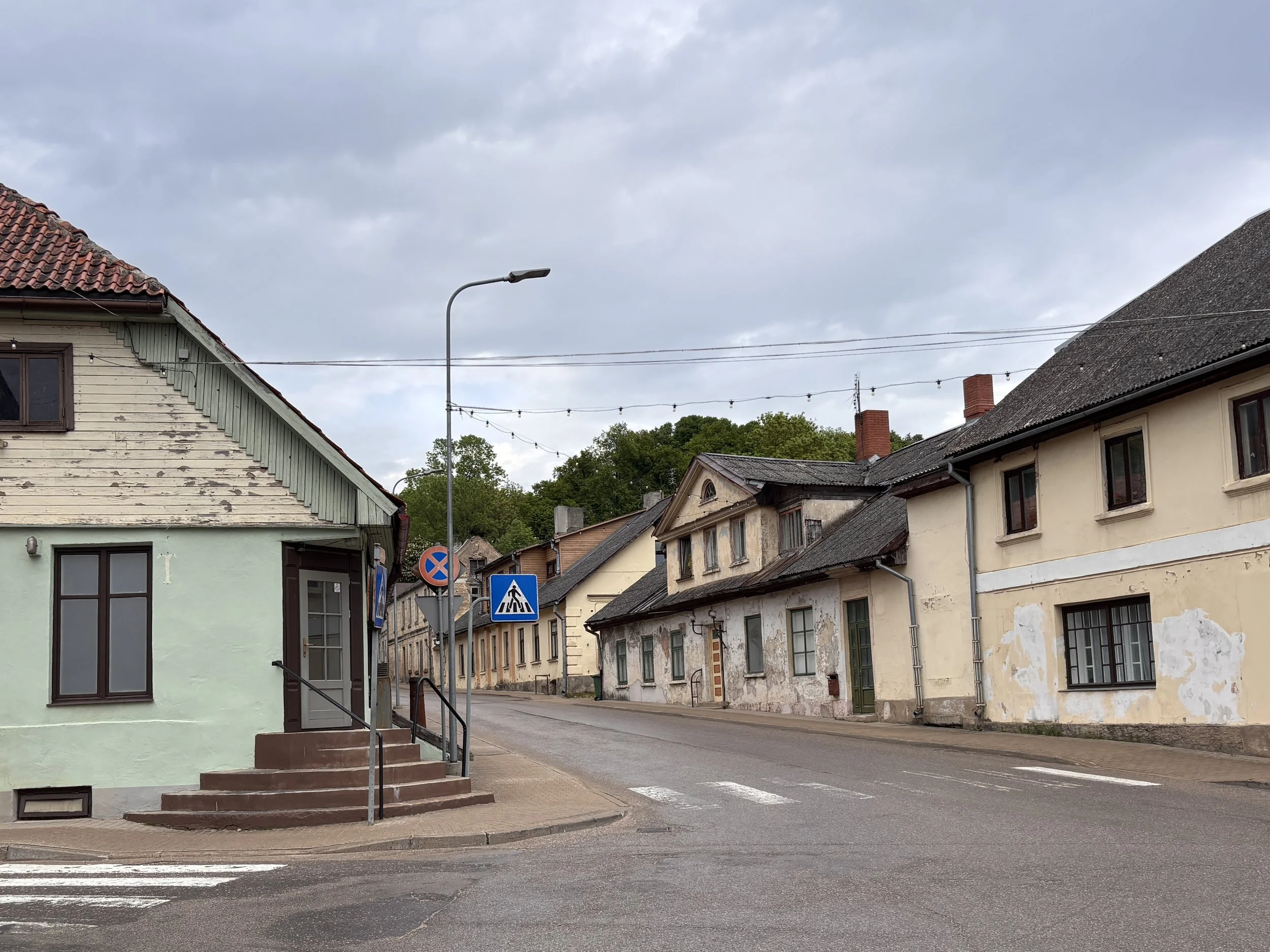
Just a mile or so away lies Sabile, a town of around 1,500 inhabitants. It has everything one might hope for in a small rural community: a school, church, culture centre, shops, flowers, food and hospitality. Yet history is present here too. Sabile once had a thriving Jewish population, all of whom perished during the Holocaust. Today the former synagogue has found new life as a centre for art, tourism and heritage.
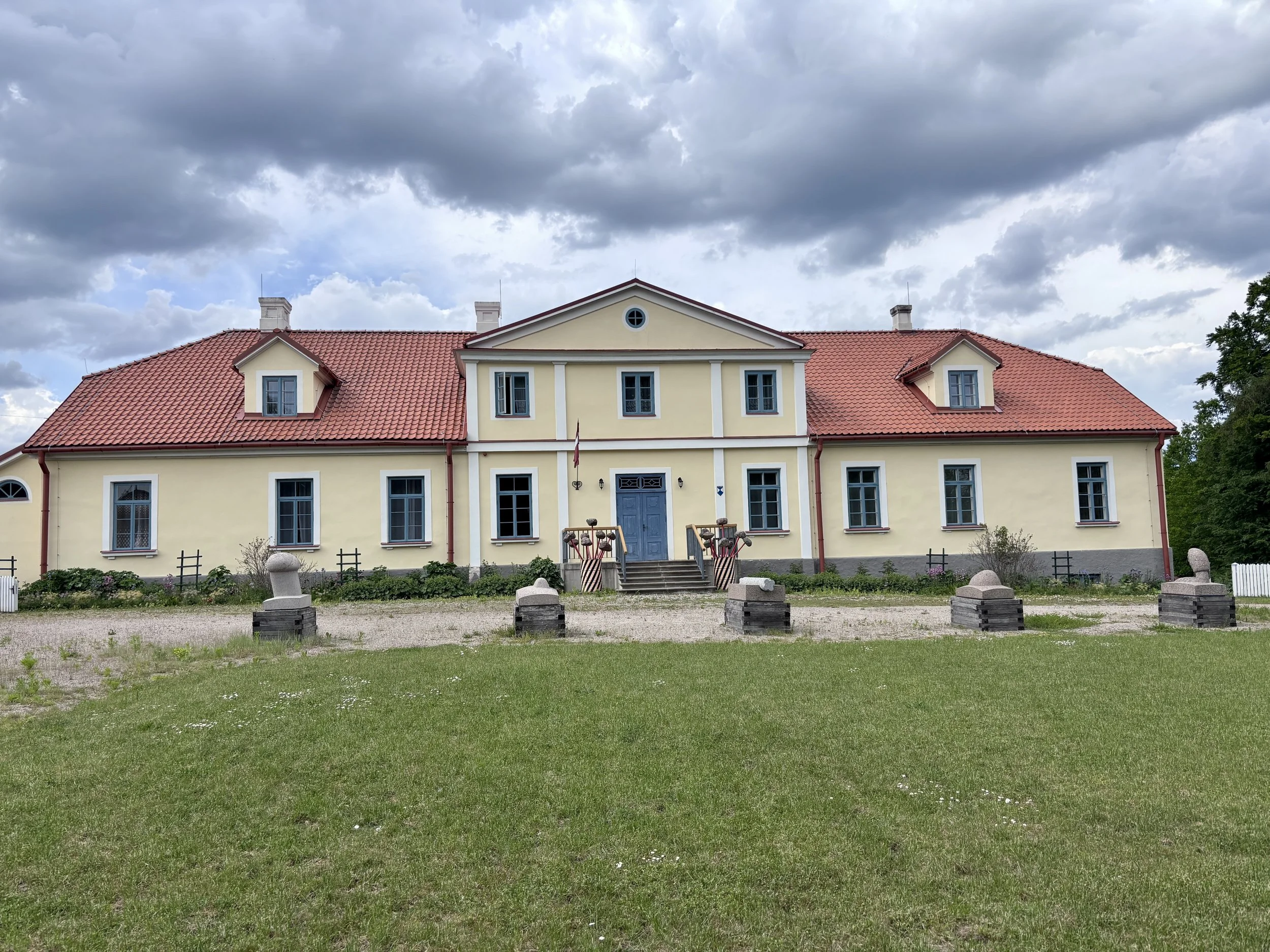
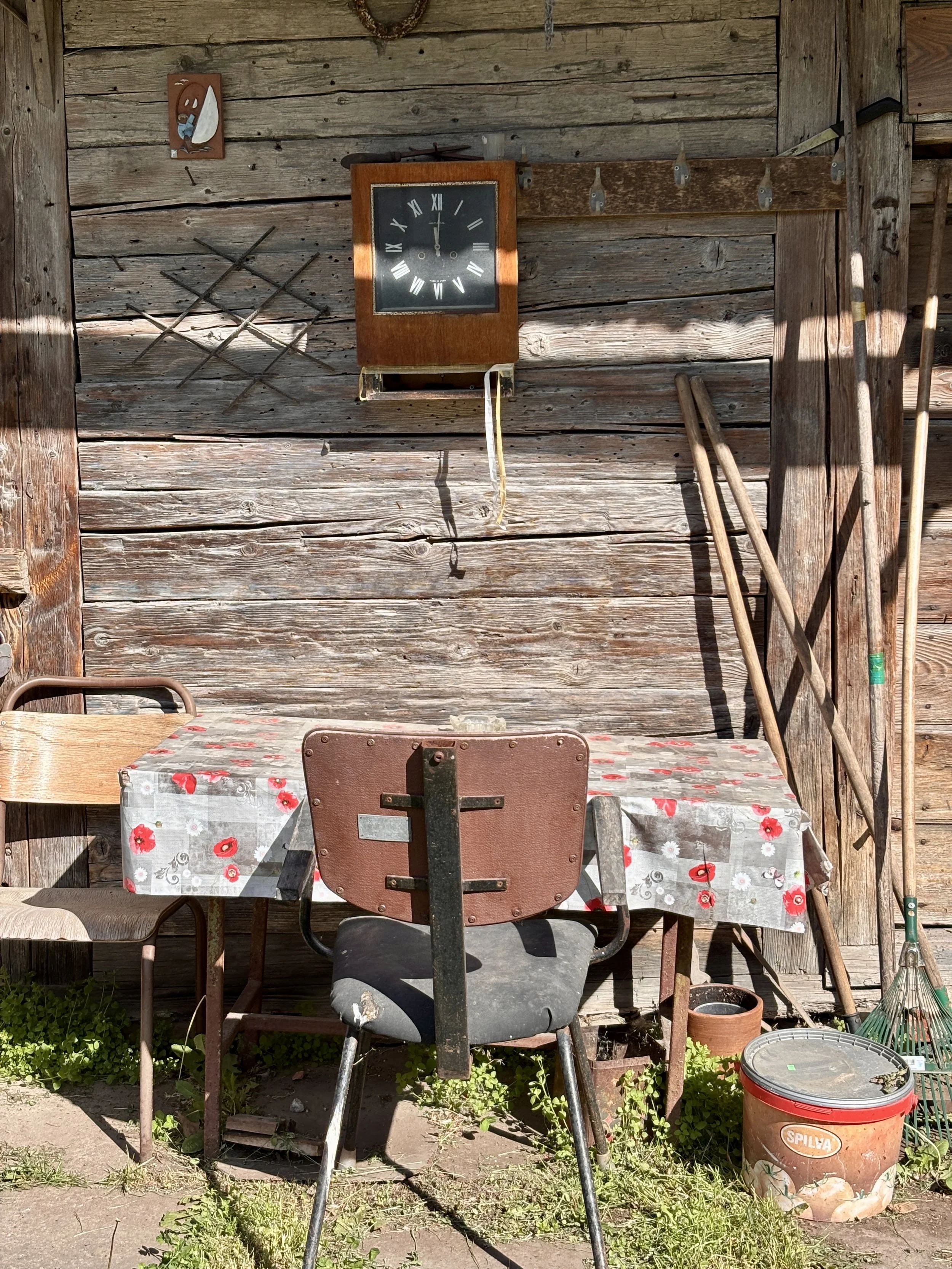
Back at Pedvale, the Fiksenpedvale manor house has been lovingly restored over many years. What struck me immediately was the atmosphere inside. Heritage and contemporary art sit comfortably together. Nothing feels over-designed or precious. Instead, the house feels deeply welcoming — elegant yet relaxed — a place where artists and visitors alike can settle in, cook together, exchange ideas and feel at home.
Today around forty-six artists each year come from across the world to spend time here during spring, autumn and winter. The combination of public funding, artist fees, tourist entries and countless hard working hours make that work. A place where the artists are invited not only to make work, but also to share it through workshops and events with the wider public. The question that emerged over the years was: What exactly is Pedvale?
Although the ownership remains private, its spirit is profoundly public. Supported through a foundation, Pedvale has evolved into something much larger than a sculpture park. It is a place where landscape, cultural heritage and contemporary art are carefully held together.
As I wandered its paths, I had the feeling that Pedvale itself is Ojar's greatest artwork. Not a single sculpture, but a landscape patiently imagined, walked and cared for over more than thirty years. A place shaped by stone, history, imagination and extraordinary perseverance.