NIDA Art Colony: a place between two seas
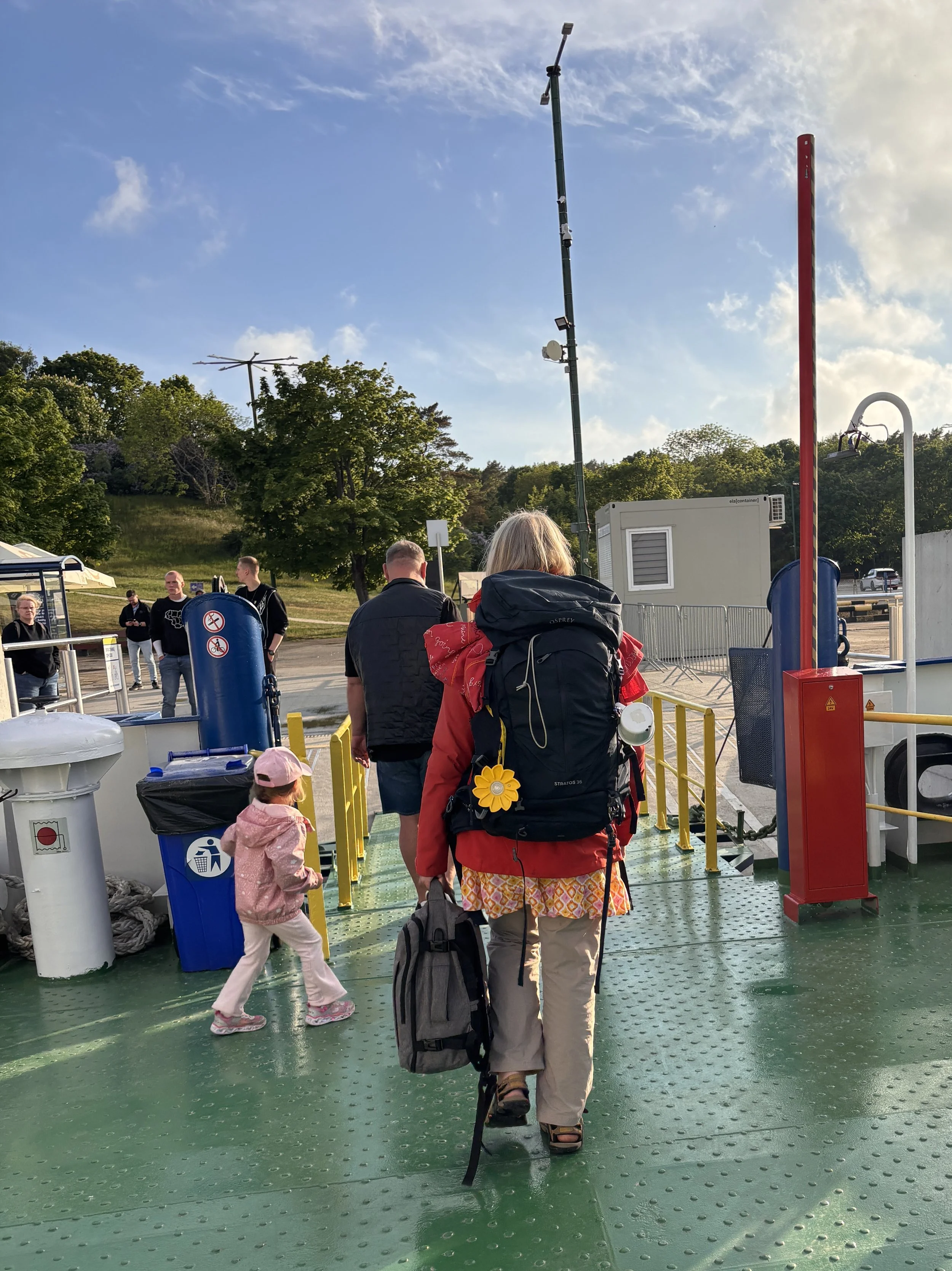
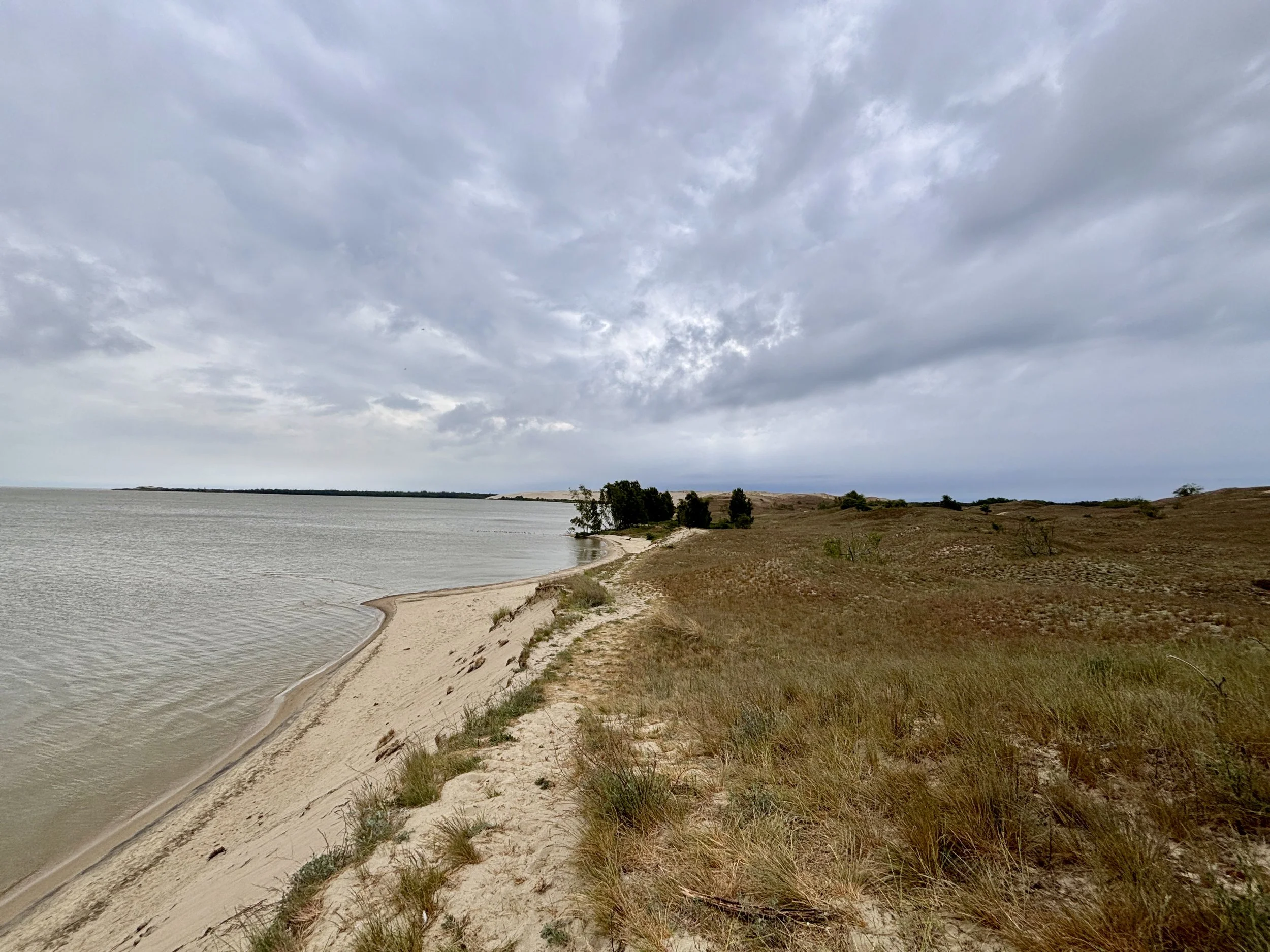
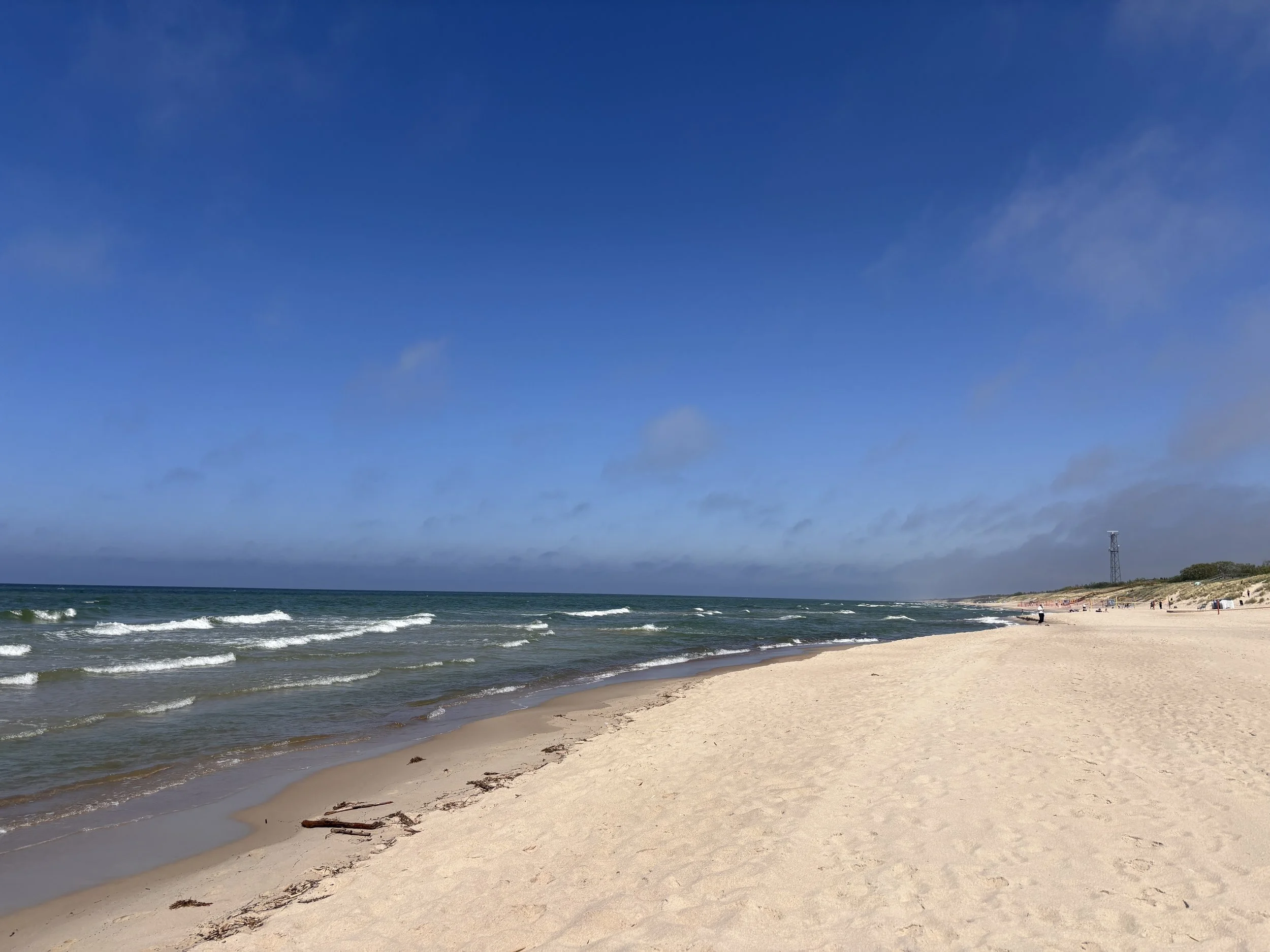
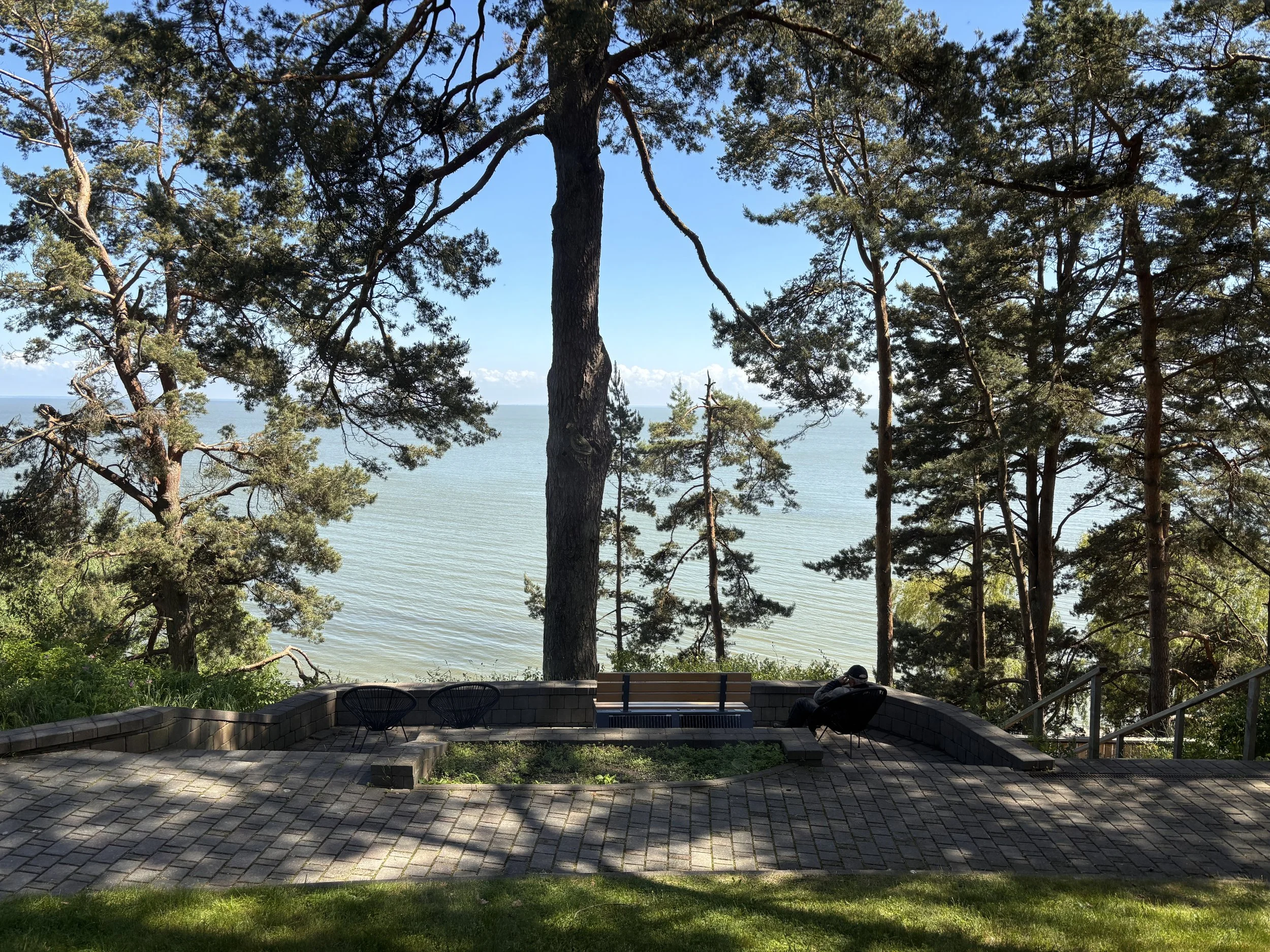
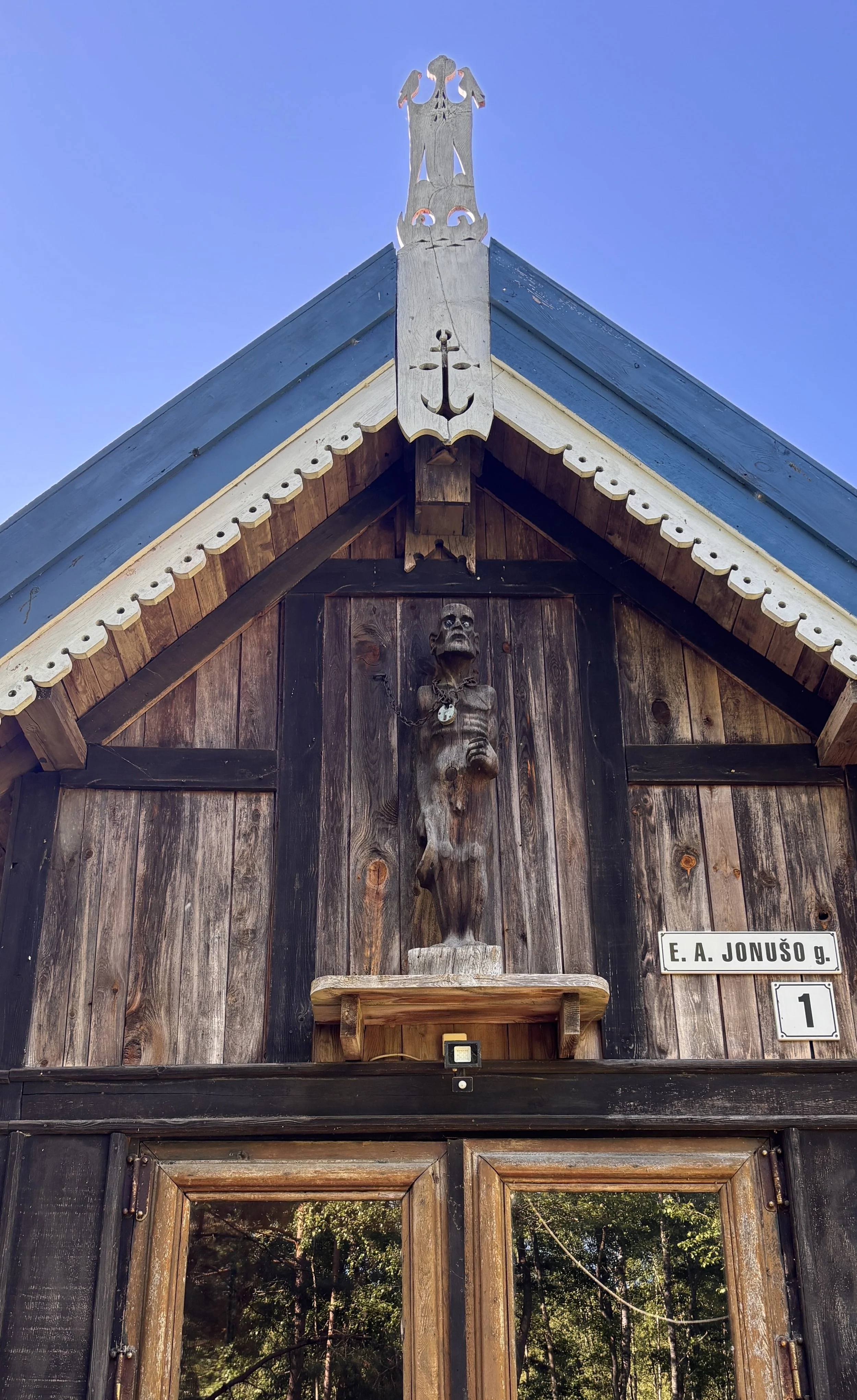
Arriving in Nida feels almost unreal. Perched on the narrow Curonian Spit between the Baltic Sea and the Curonian Lagoon, it is a landscape of shifting dunes, pine forests and endless water. The light seems to come from two directions at once, reflected by the lagoon on one side and the sea on the other. Artists have spoken about this special quality for generations.
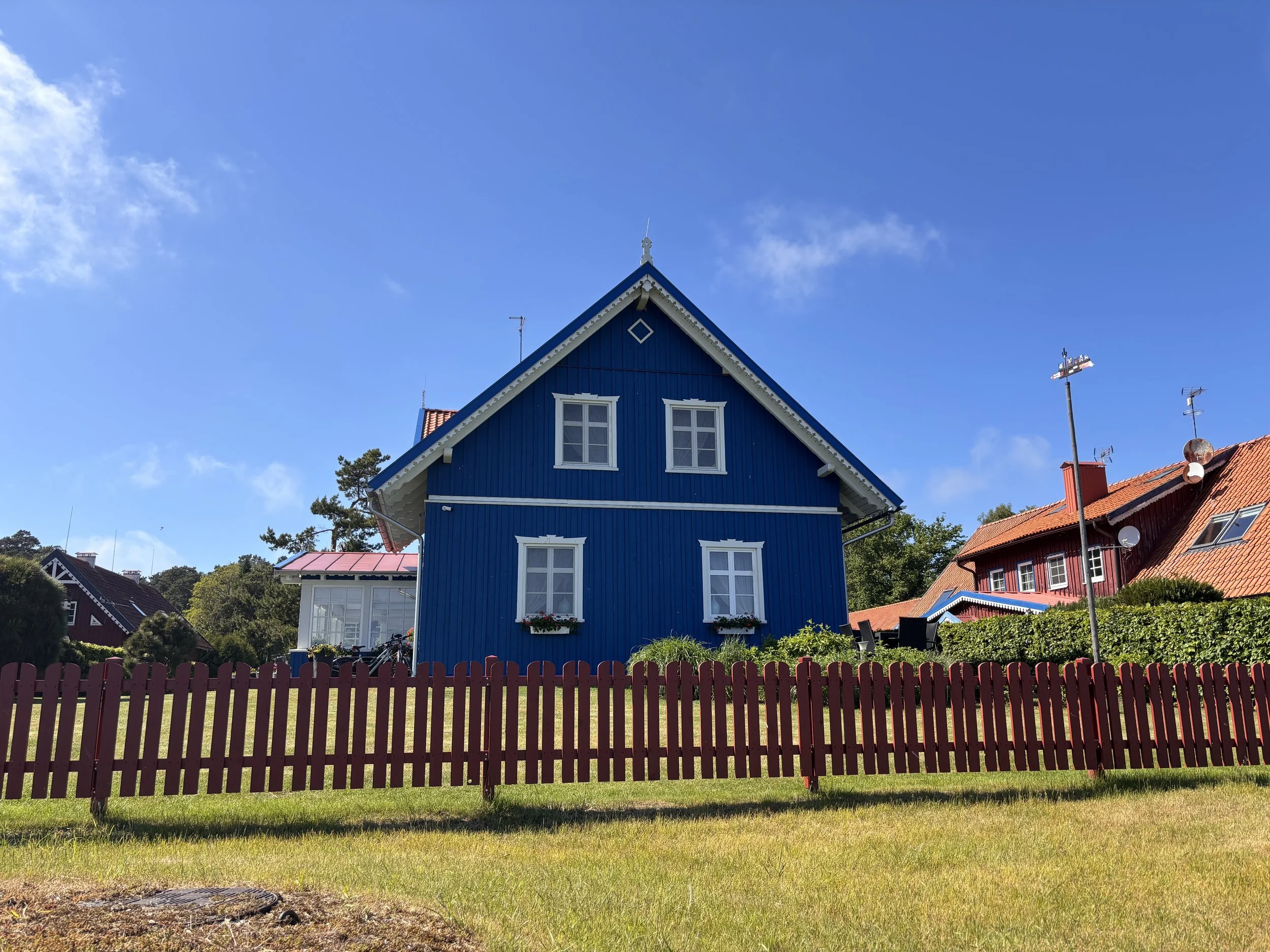
Today Nida presents itself as something of a boutique holiday resort. Former fishermen's houses have been lovingly restored, cafés and cycle paths line the waterfront, yachts bob in the harbour and holidaymakers stroll through streets that seem almost too perfect. It is hard to imagine that after the Second World War this was an isolated Soviet border zone with only a few hundred inhabitants, visited only with special permits and regarded by many as a place of exile.
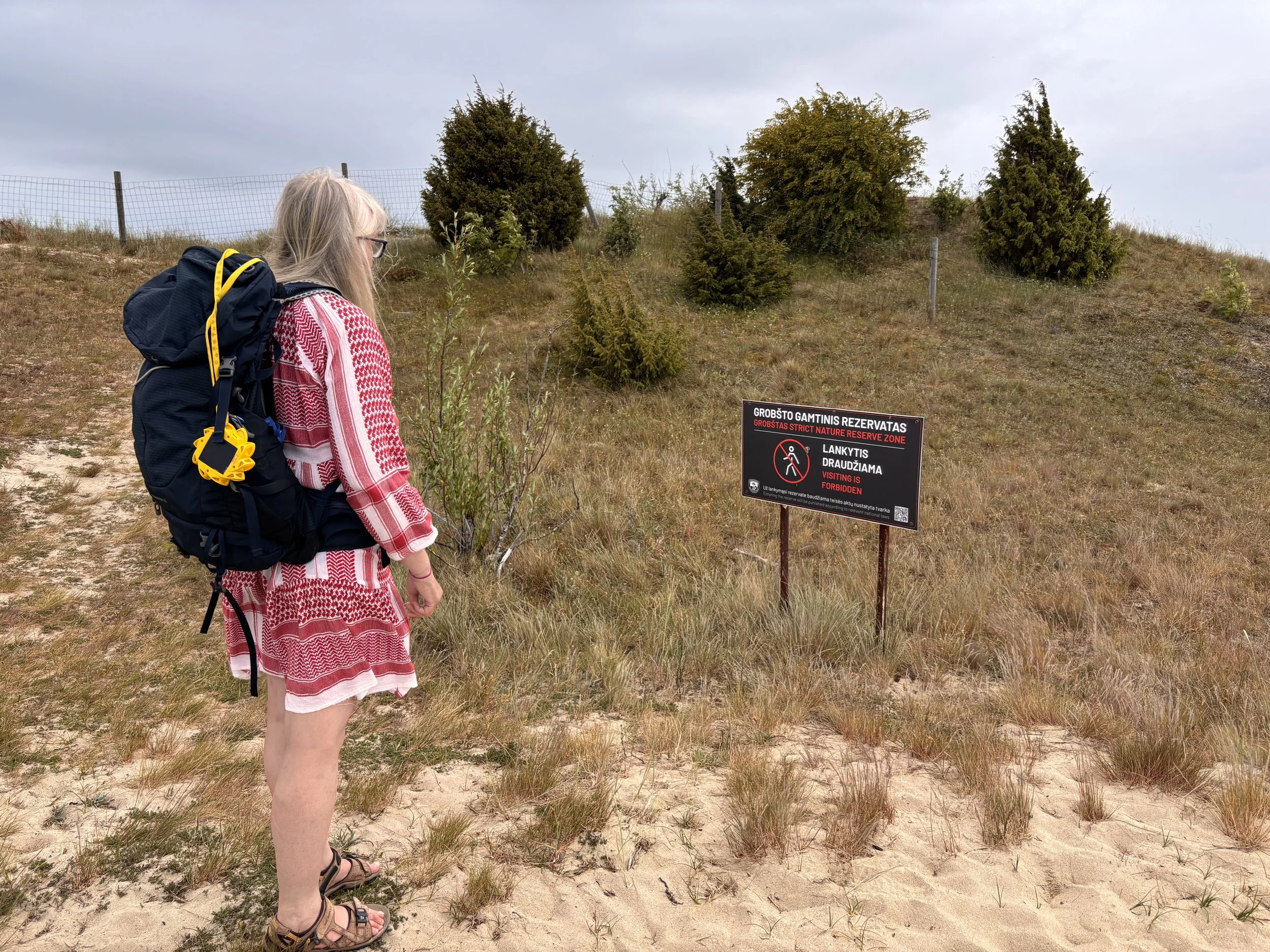
The Curonian Spit itself has had many identities. Once part of East Prussia, it lost its German population after the war and was divided between the Lithuanian SSR and the Russian Soviet Republic. That division remains today. Although seldom spoken about by people here, it is impossible to forget that the Russian border lies only some three kilometres from Nida. We tried to find it, but instead encountered warning signs not to go onto protected nature reserves. The absurdity of this beautiful ribbon of sand, shared between two countries and separated by one of Europe's most heavily militarised frontiers, adds another layer to the place. Here, paradise and geopolitics exist side by side.
Artists have been coming to Nida for much longer than the present art colony. In the late nineteenth and early twentieth centuries painters such as Lovis Corinth were drawn by the landscape, while Thomas Mann built his summer house overlooking the lagoon (which I had a chance to visit), only to enjoy it for three summers before going into exile in 1933.
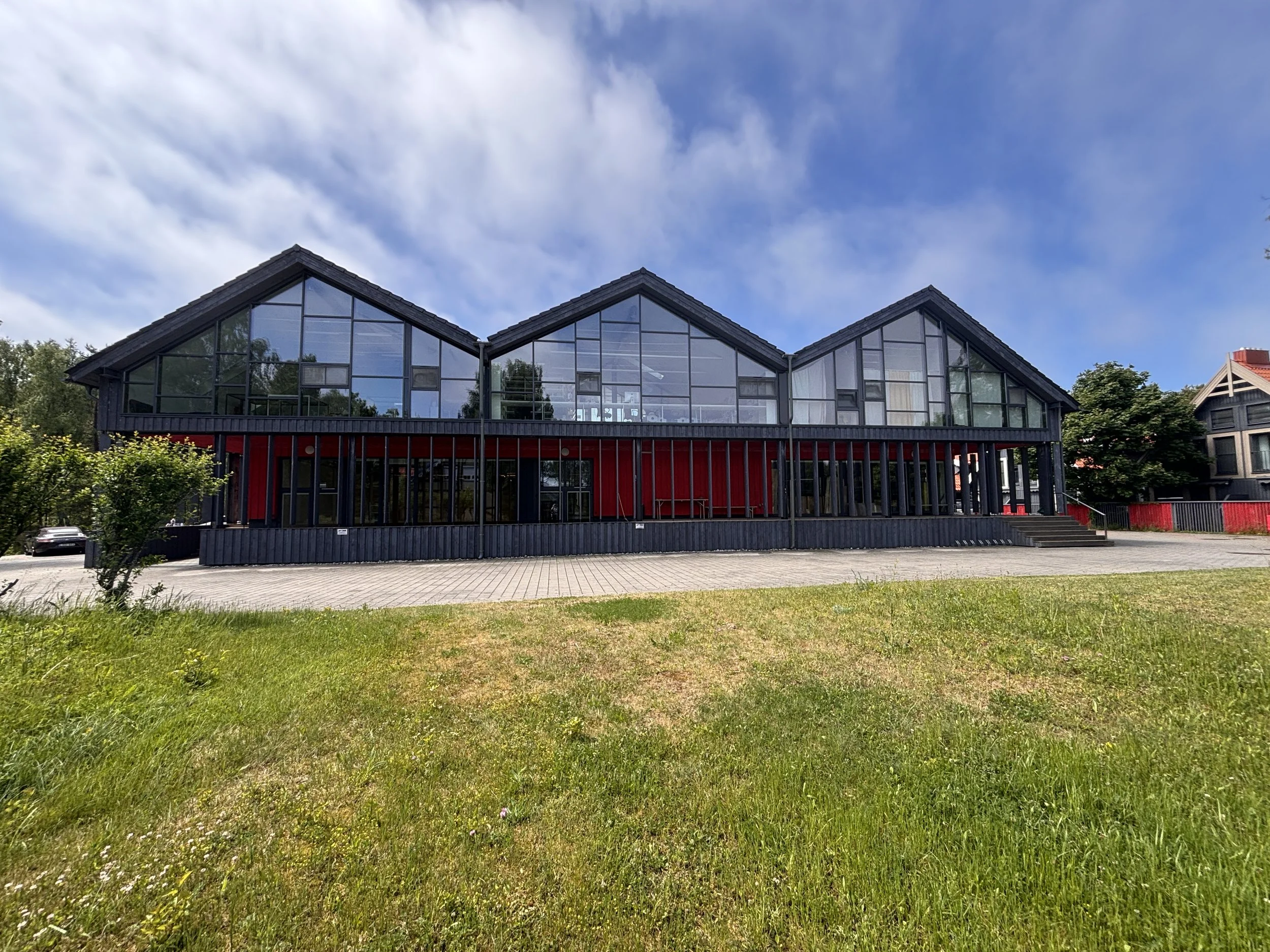
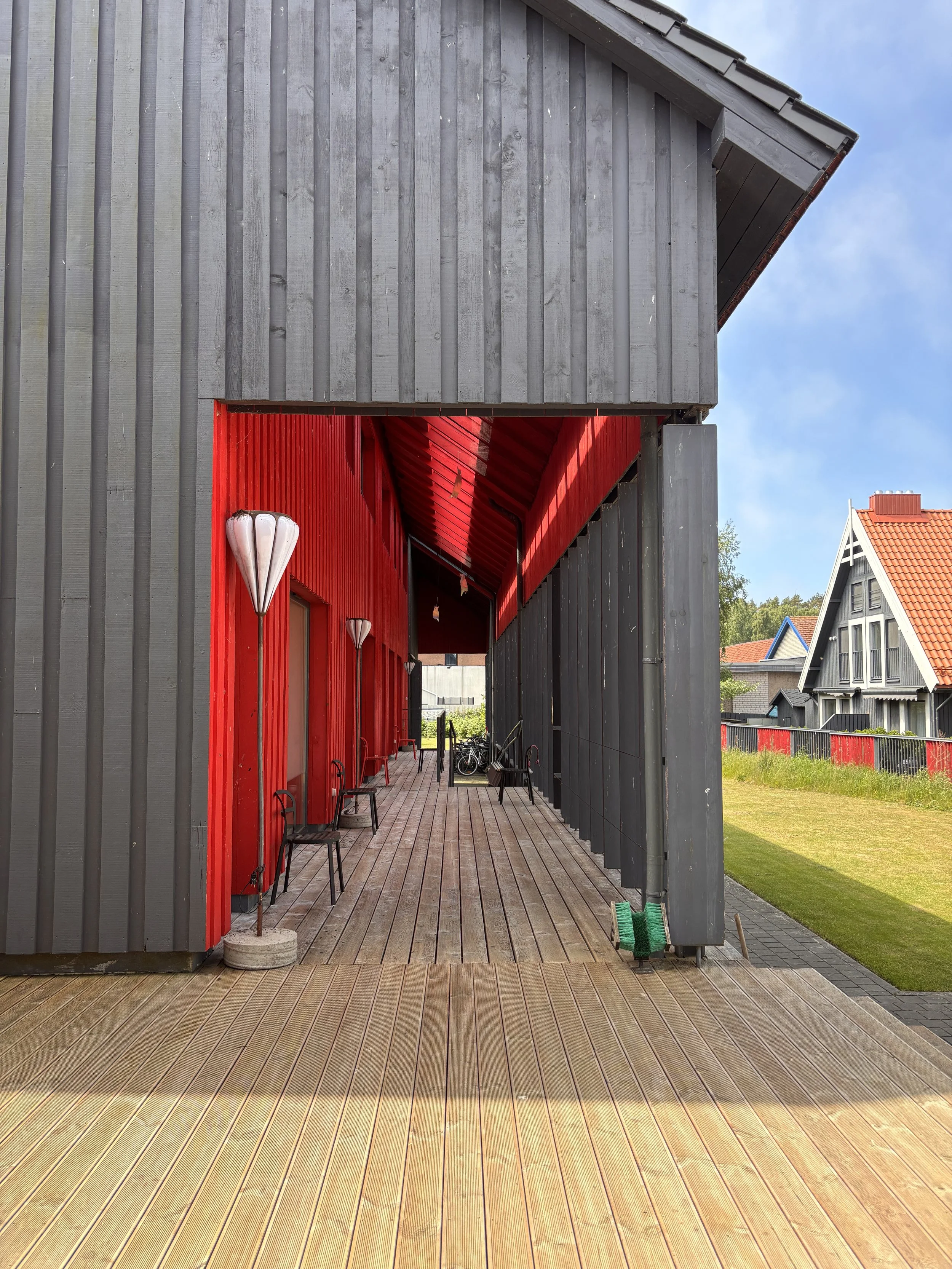
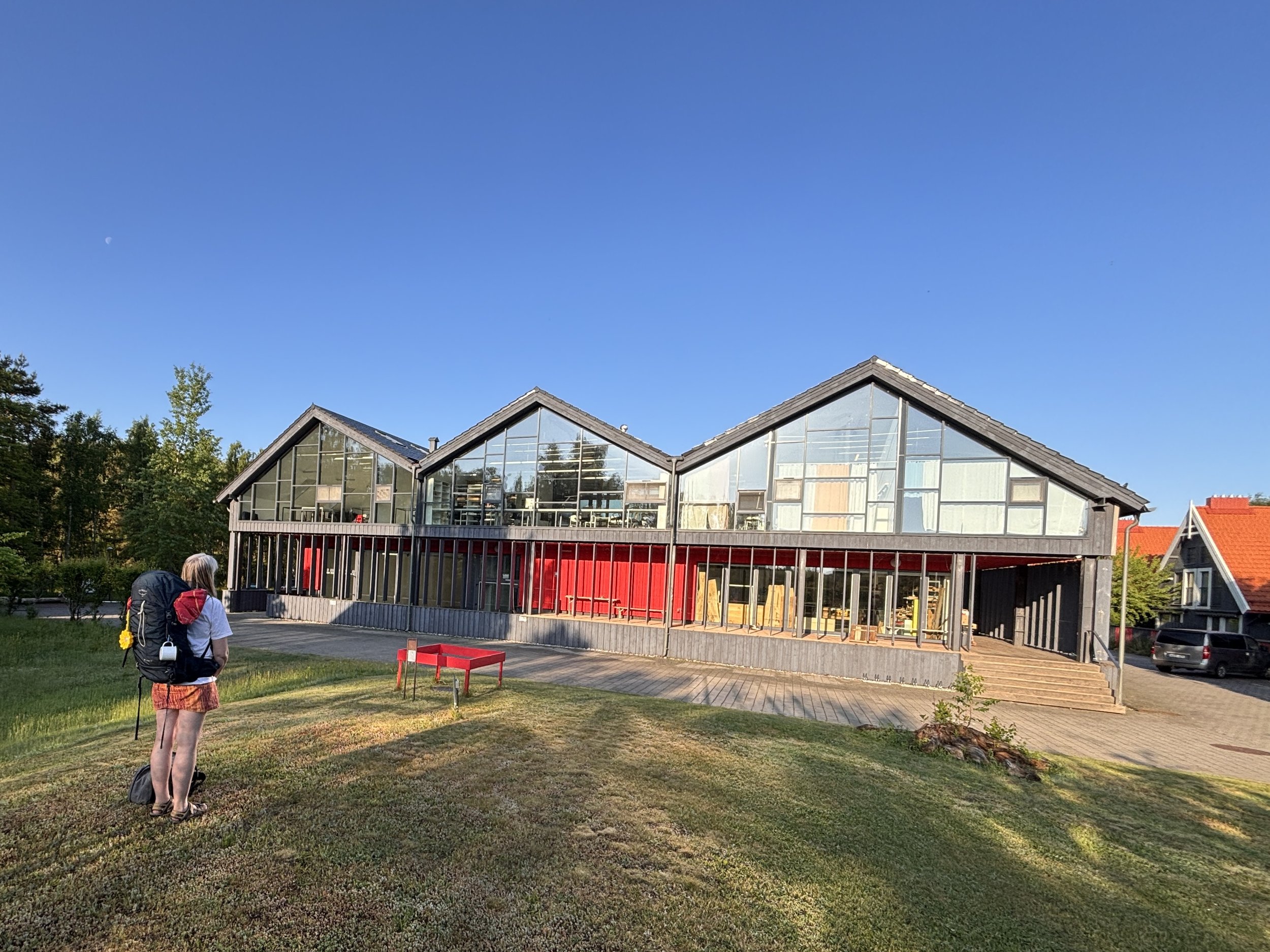
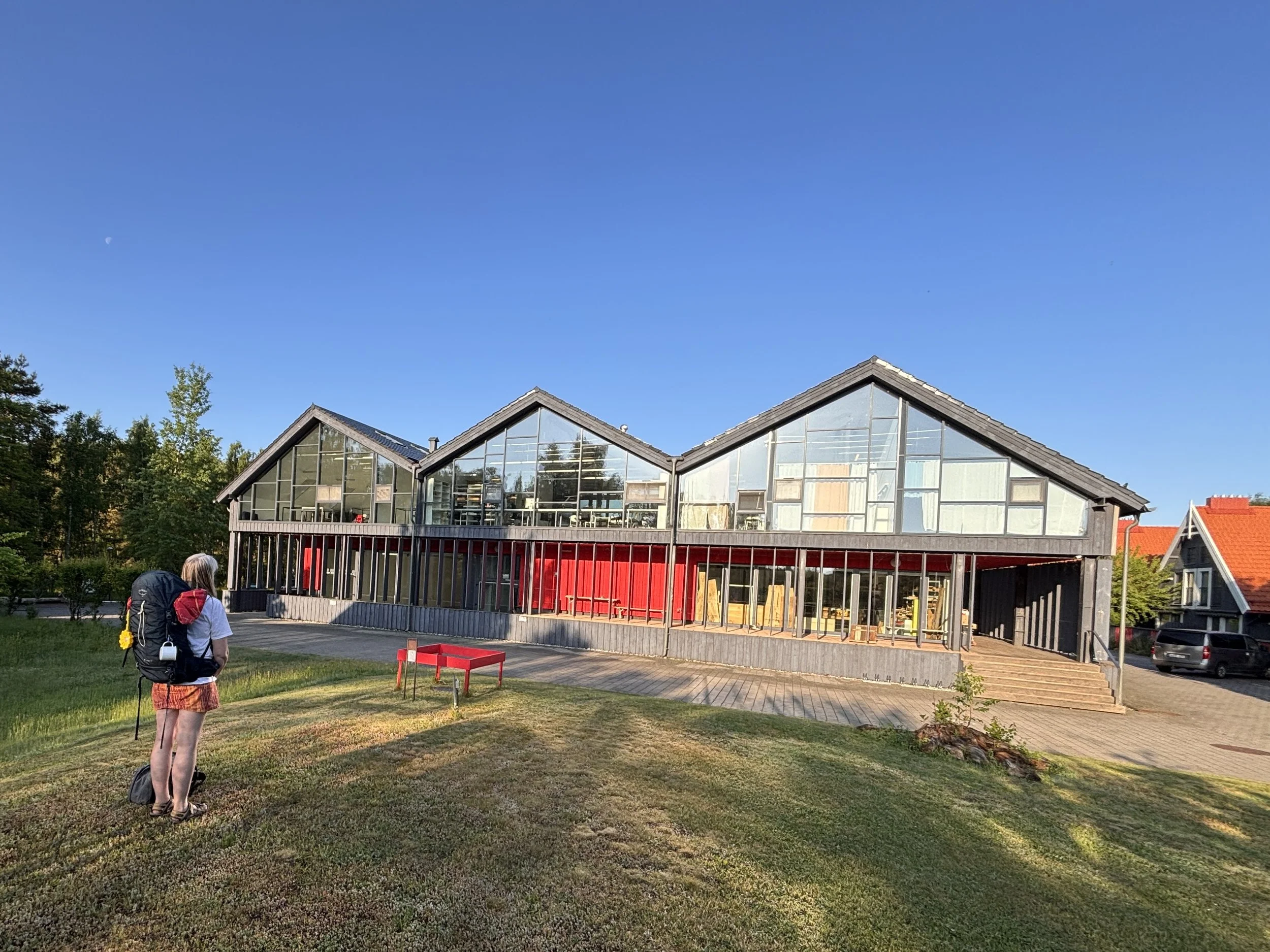
The story of Nida Art Colony itself begins in Soviet times. Expelled from the Vilnius Academy of Arts for political reasons, the painter Jonas Čeponis sought refuge on the Curonian Spit, attracted by its remoteness and tranquillity. Other artists followed and informal plein-air gatherings gradually developed into a recognised artists' colony. The site that now houses NAC – originally a storage space for tinned food) was purchased in the final years of the Soviet period by the Academy and eventually transformed into the institution that exists today. Since 2011, as part of the Vilnius Academy of Arts, it has combined teaching with an international residency programme and research activities.
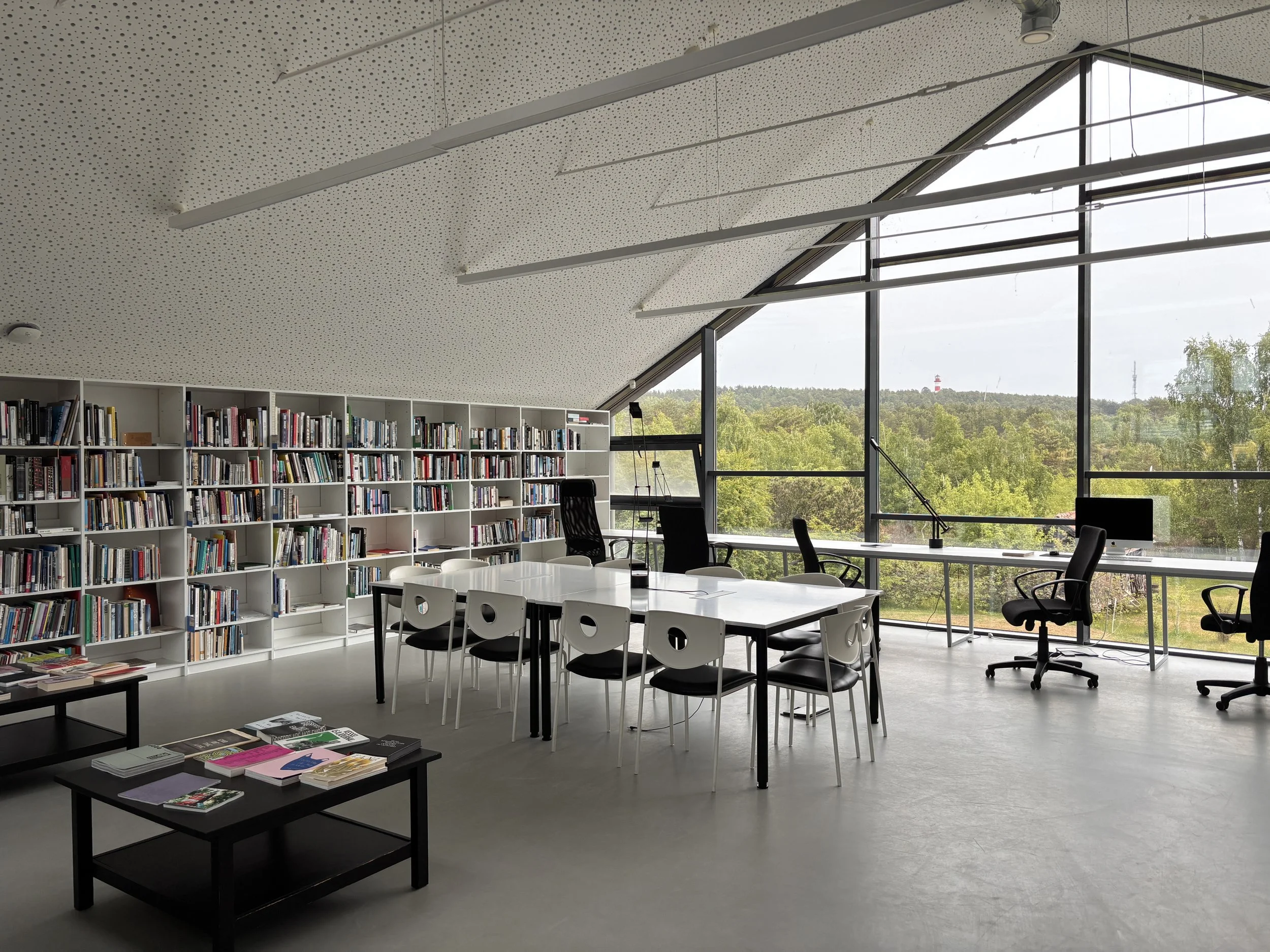
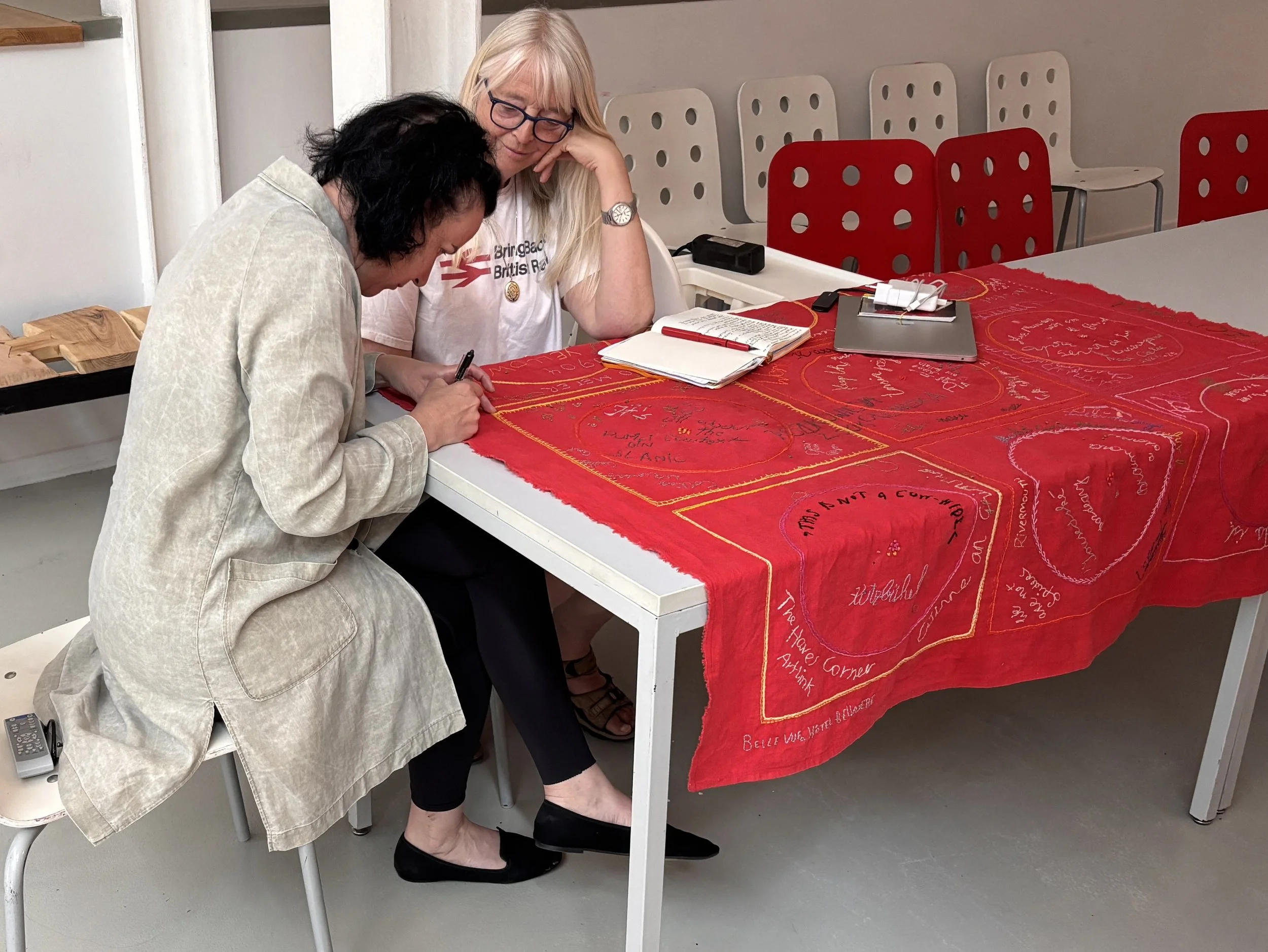
Thanks to the generosity of tutor Monika Gražienė and her textile students, I had the opportunity to share my own work and exchange thoughts on the role of places like Nida Art Colony for artists, students and researchers. We were given comfortable contemporary living space, but it was the library, where I spent some hours reading and writing. It felt like the quiet heart of the building. And beyond the architecture and programmes on offer, it is the place itself that remains unforgettable.
Nida is a curious combination of many things: former exile and contemporary playground, Soviet legacy and international academy, luxury resort and frontier settlement. Above all, it demonstrates how landscapes absorb history. Beneath the tranquillity and beauty lies a place shaped by displacement, division and continual reinvention. It is perhaps this tension, rather than any easy idyll, that makes Nida so compelling.