Knitting the Os of Å together
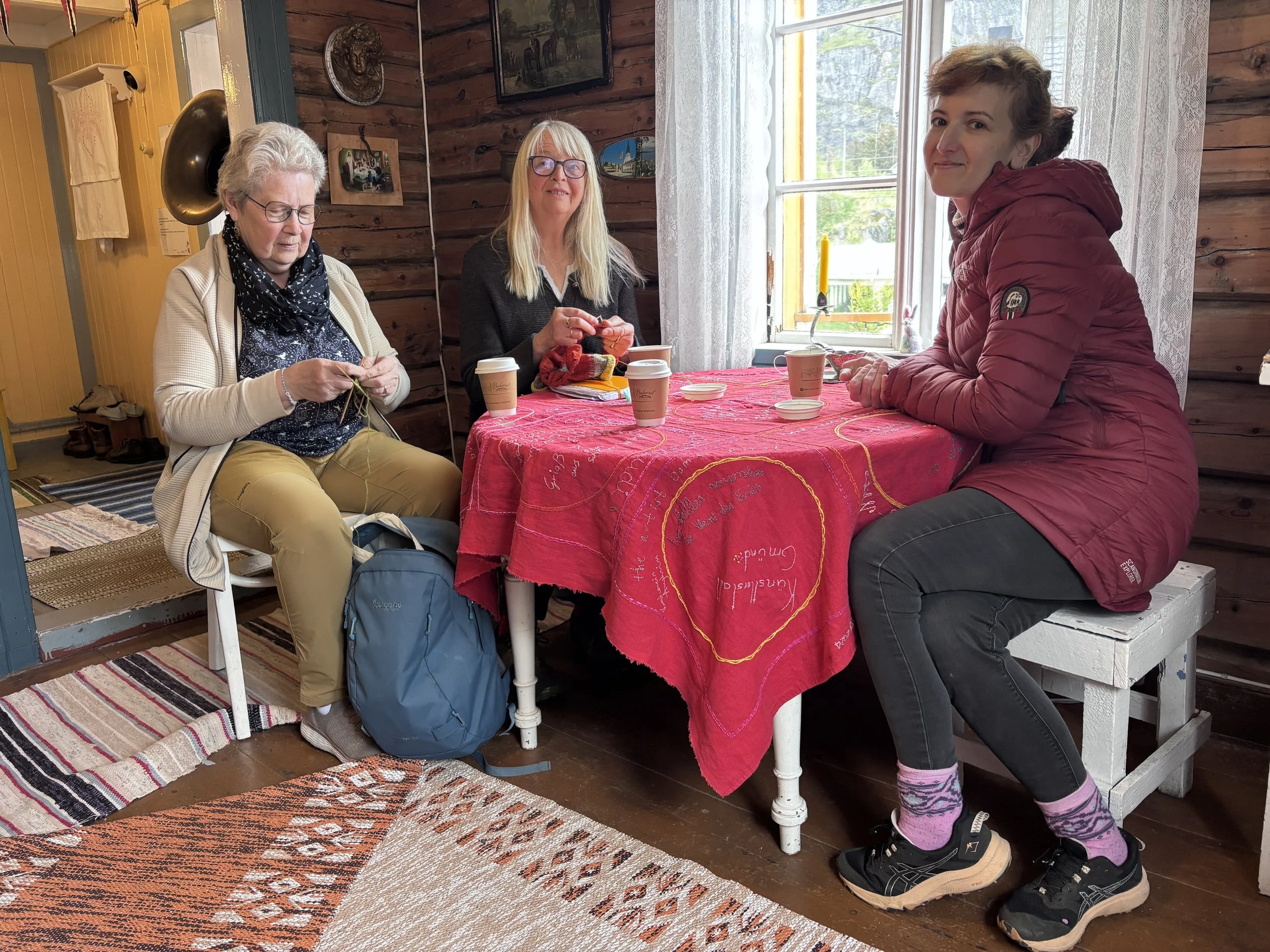
Knit-Meeting with Agnes and Nora
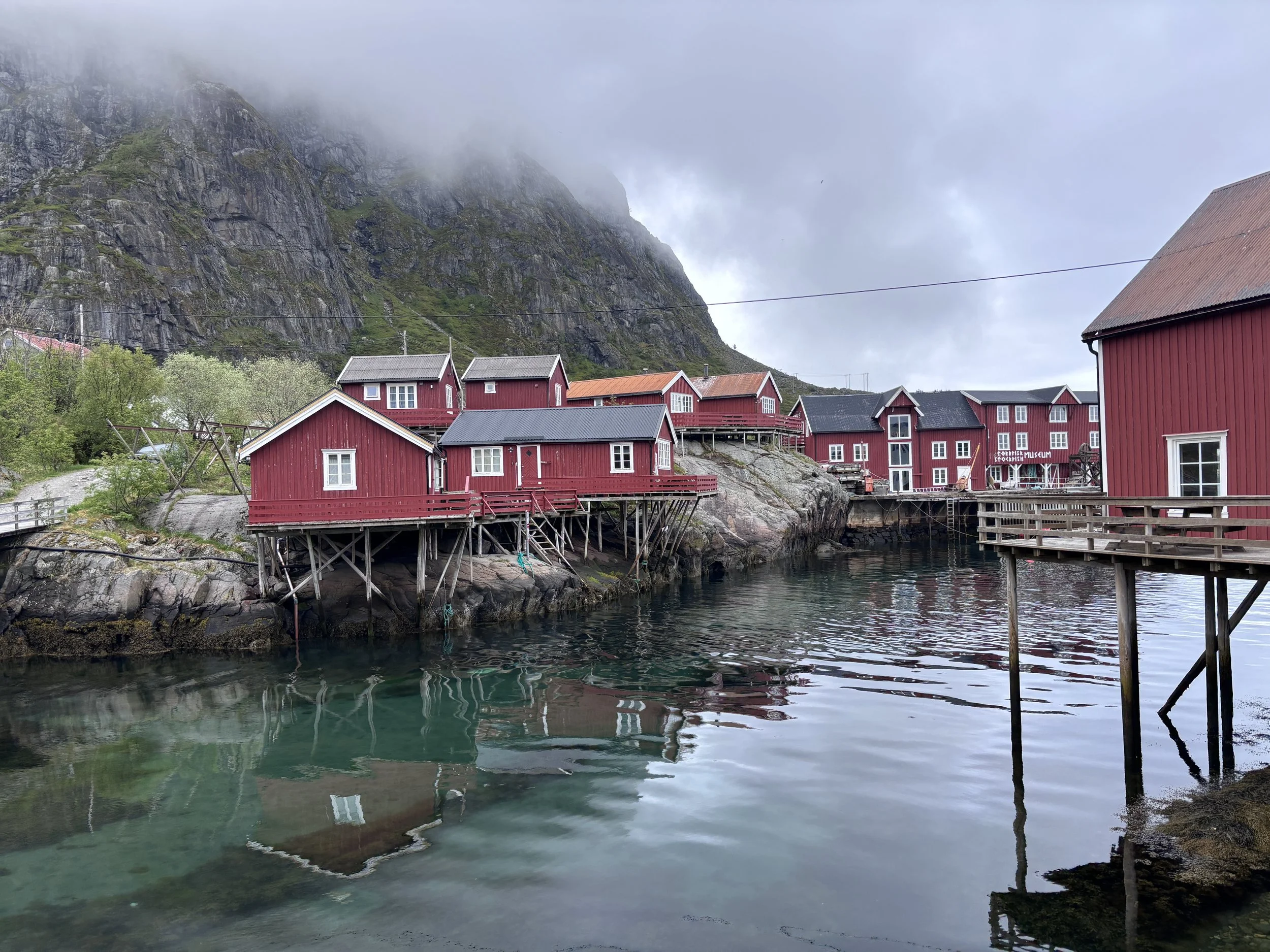
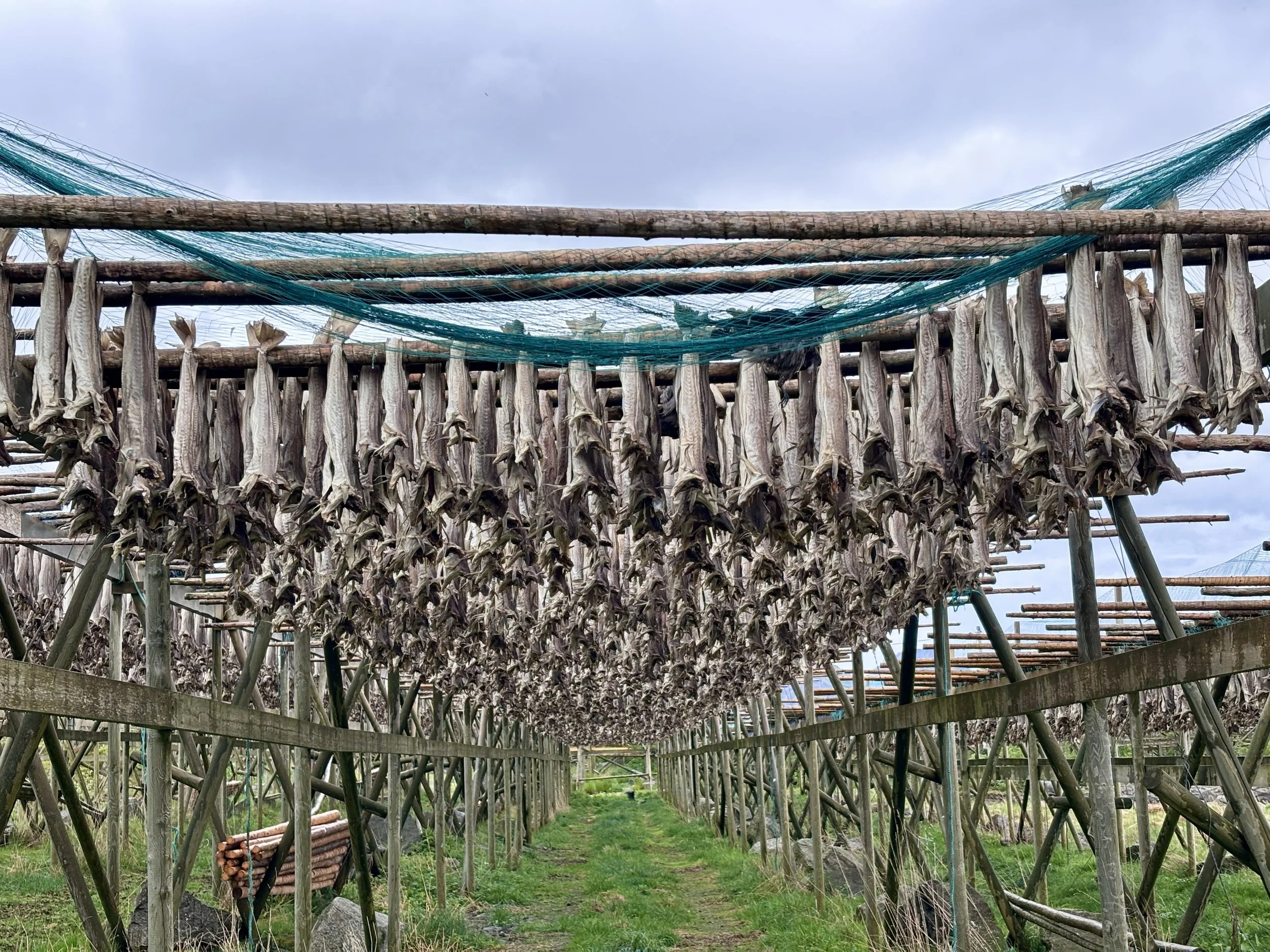
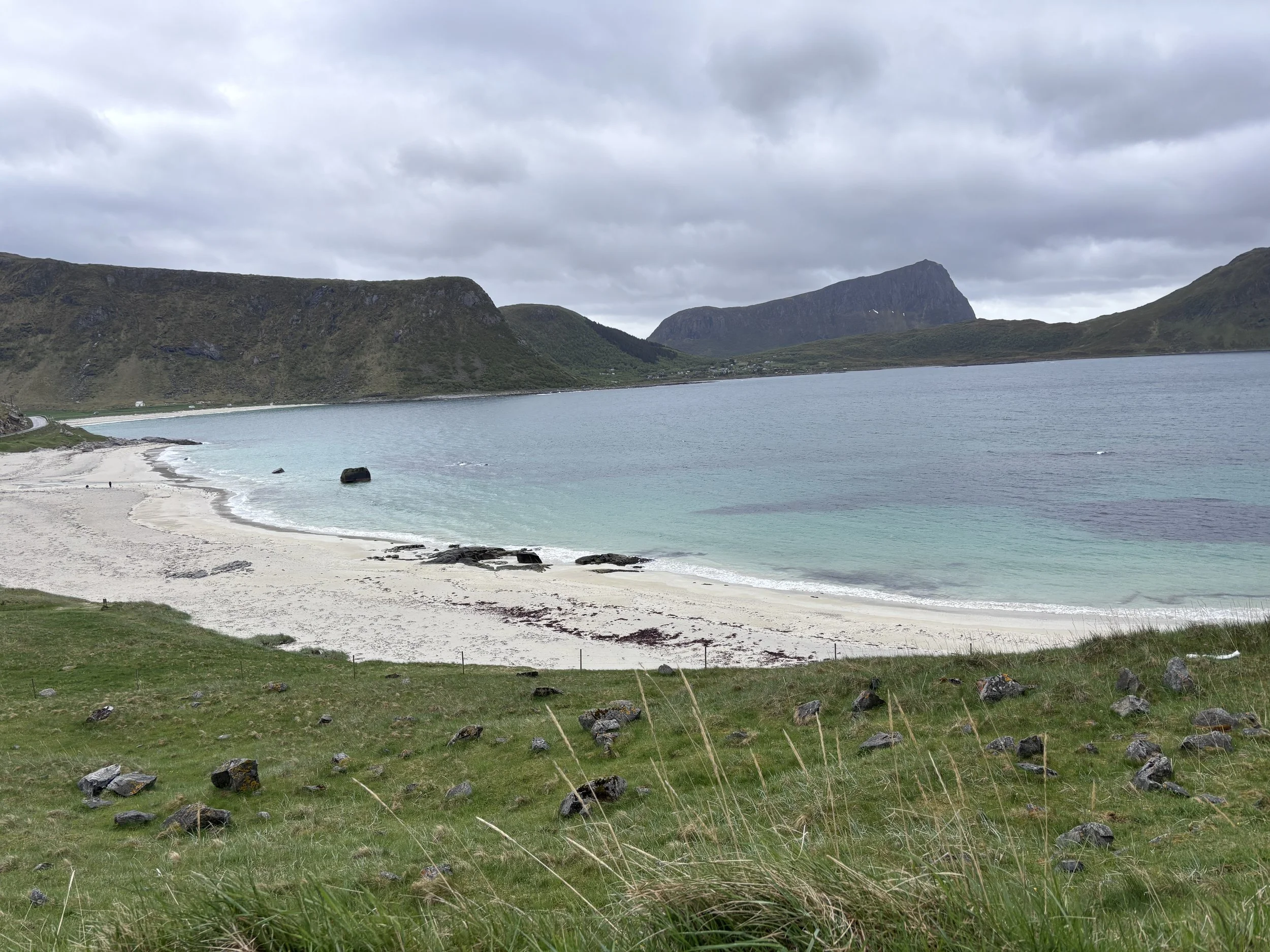
At the very end of the road in the Lofoten lies Å — a village shaped by cod, rocks, and time.
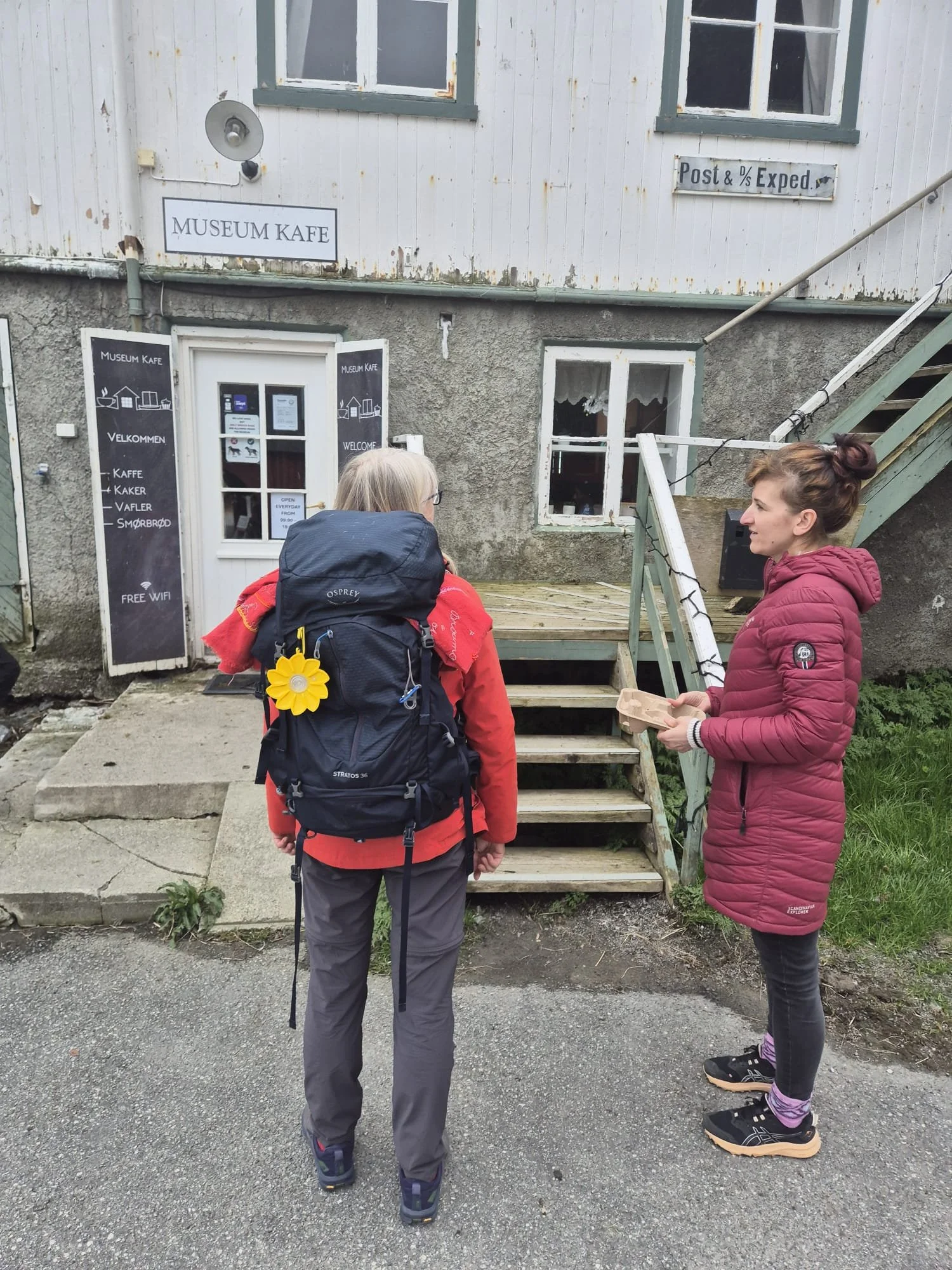
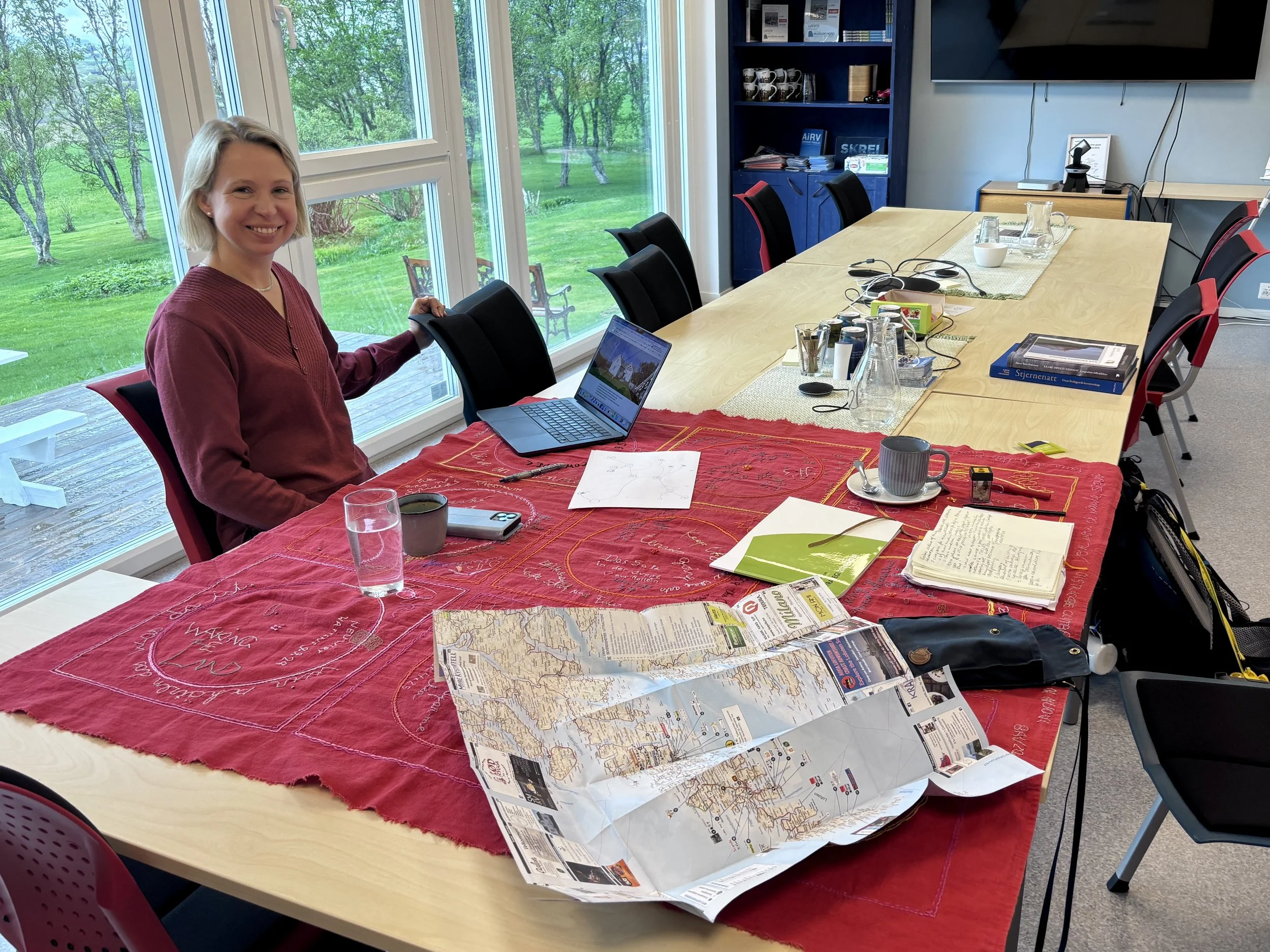
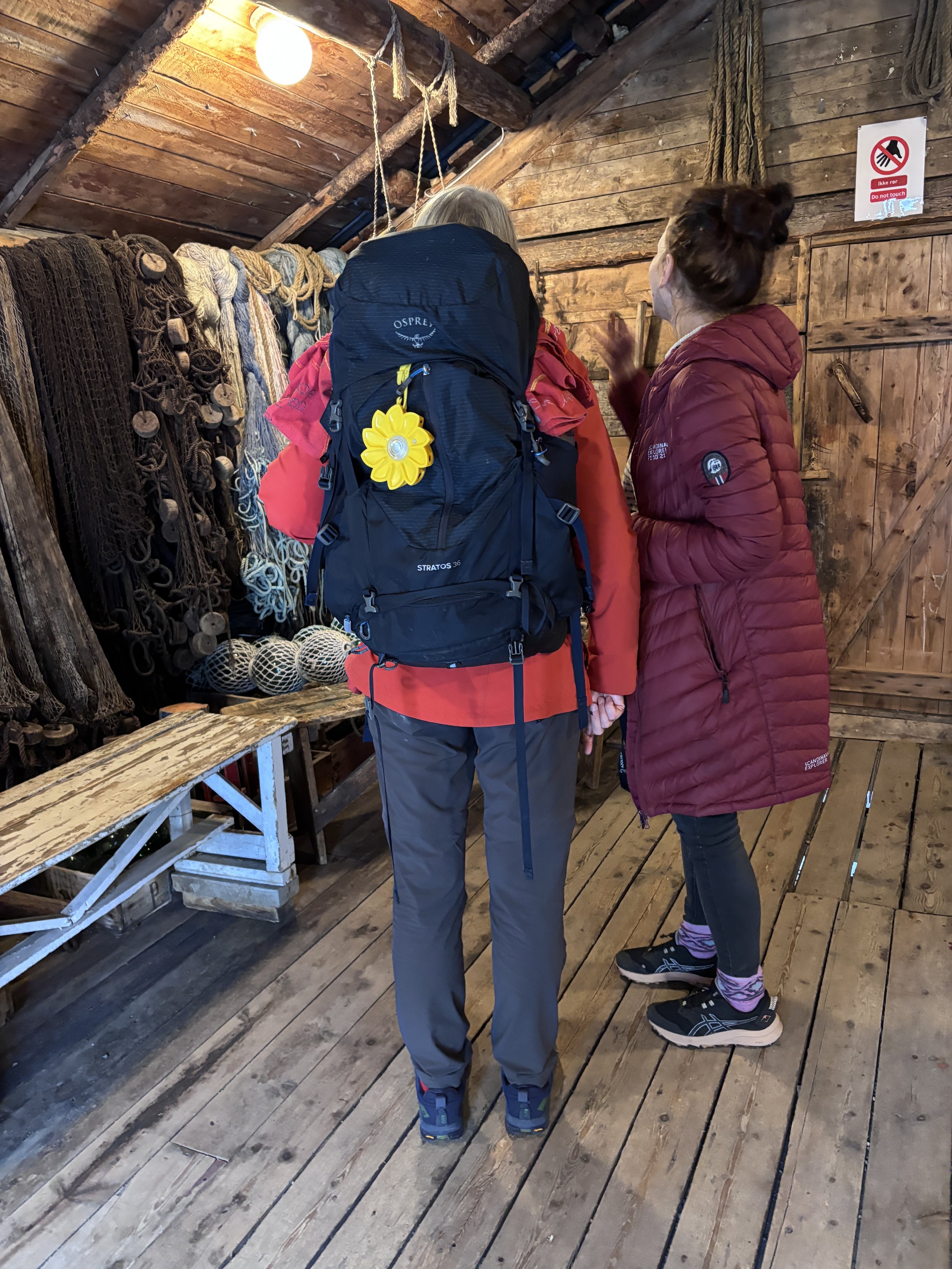
I spent a day here with Agnes from the Norsk Fiskeværsmuseum and Nora, who grew up in this area. The museum itself is not one building, but a series of former fishermen’s huts scattered across Å — a bakery, a smithy, a cod liver oil factory, a post office — fragments of a life that once revolved entirely around the seasonal fishing industry.
Å looks almost too perfect at first glance. Red wooden houses sit neatly between rock and sea, as if they have always belonged there. But beneath this image, things are shifting. Many of these huts were once temporary homes for migrant fishermen; today, they are largely holiday accommodation.
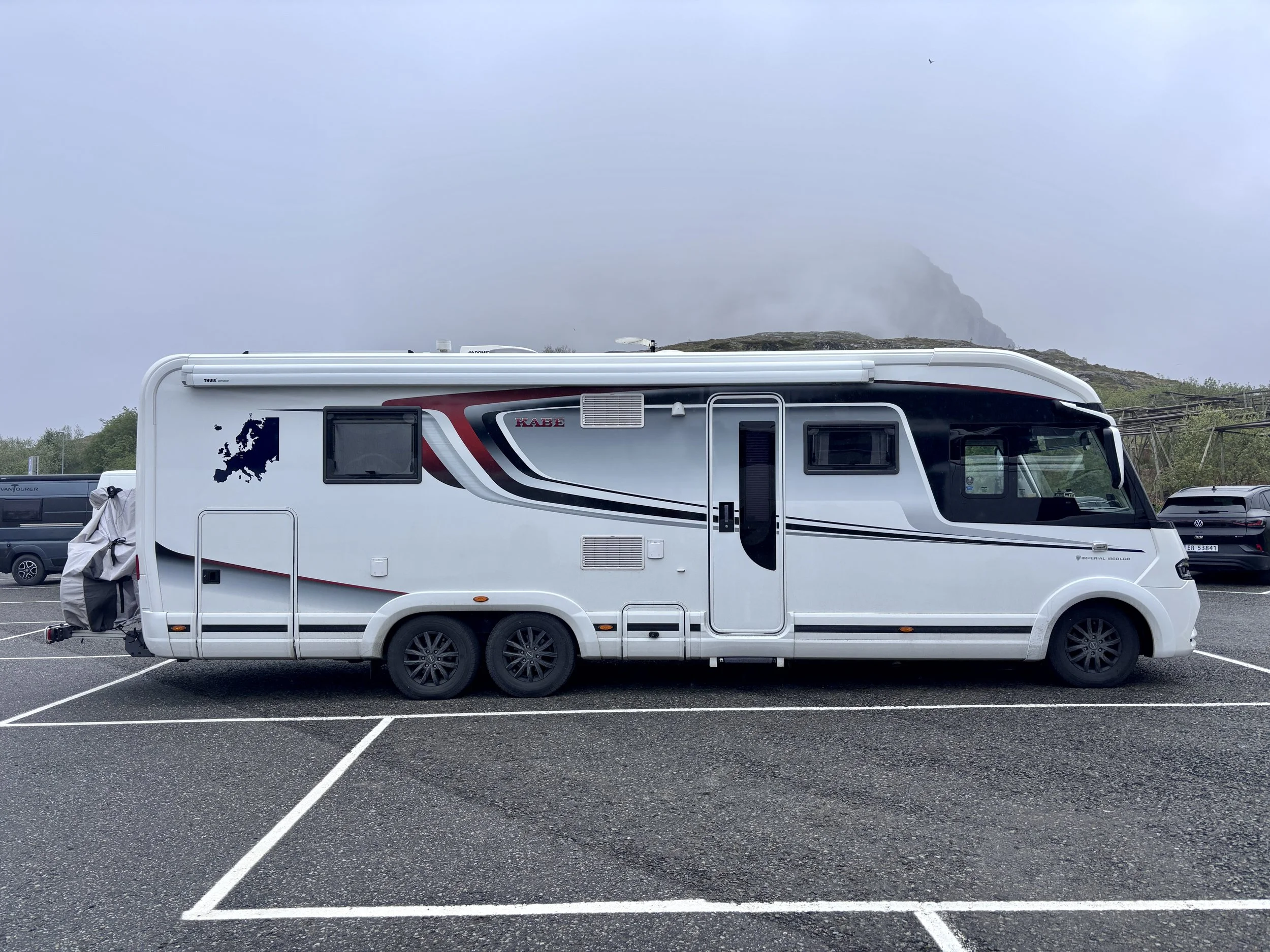
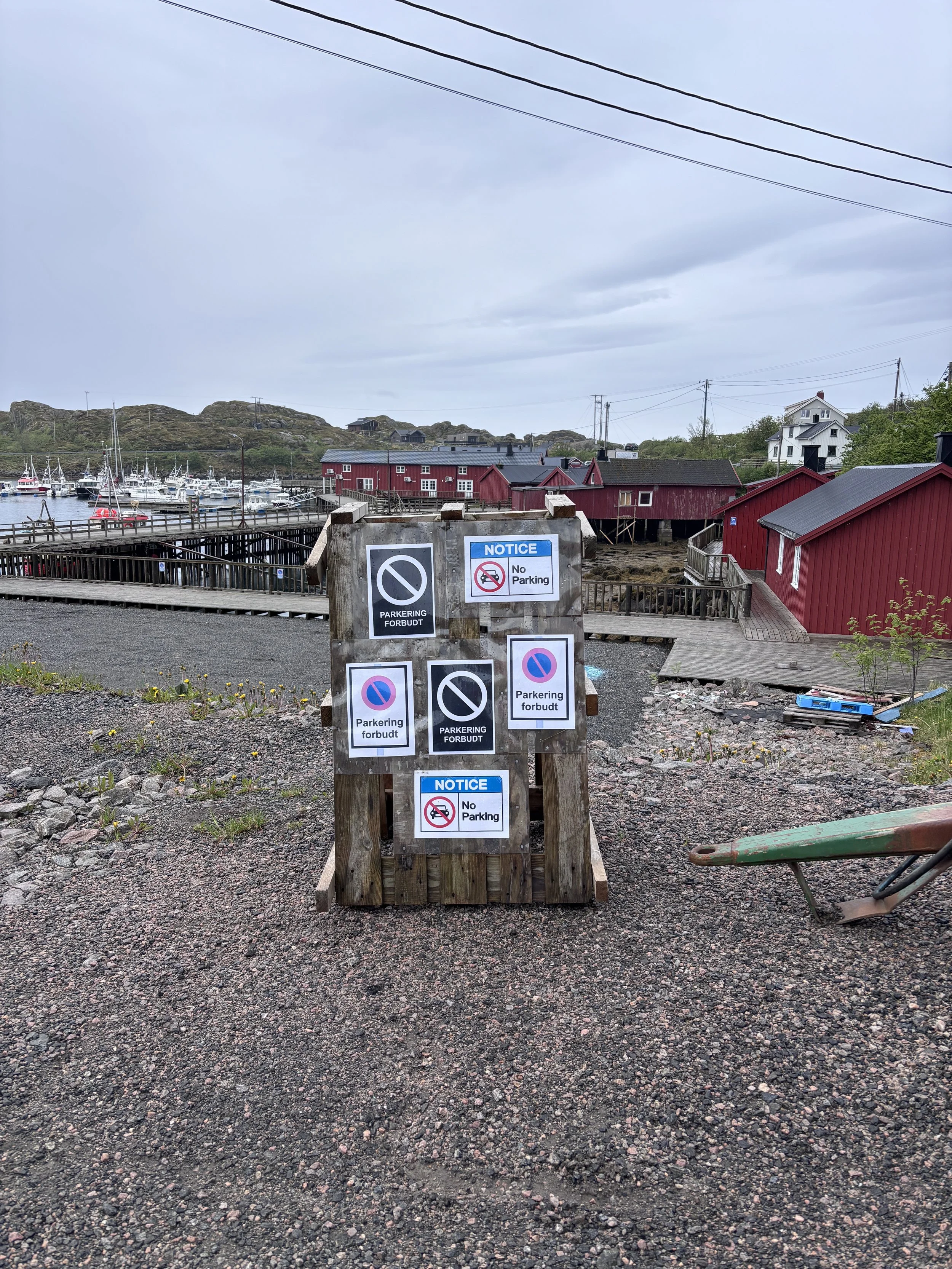
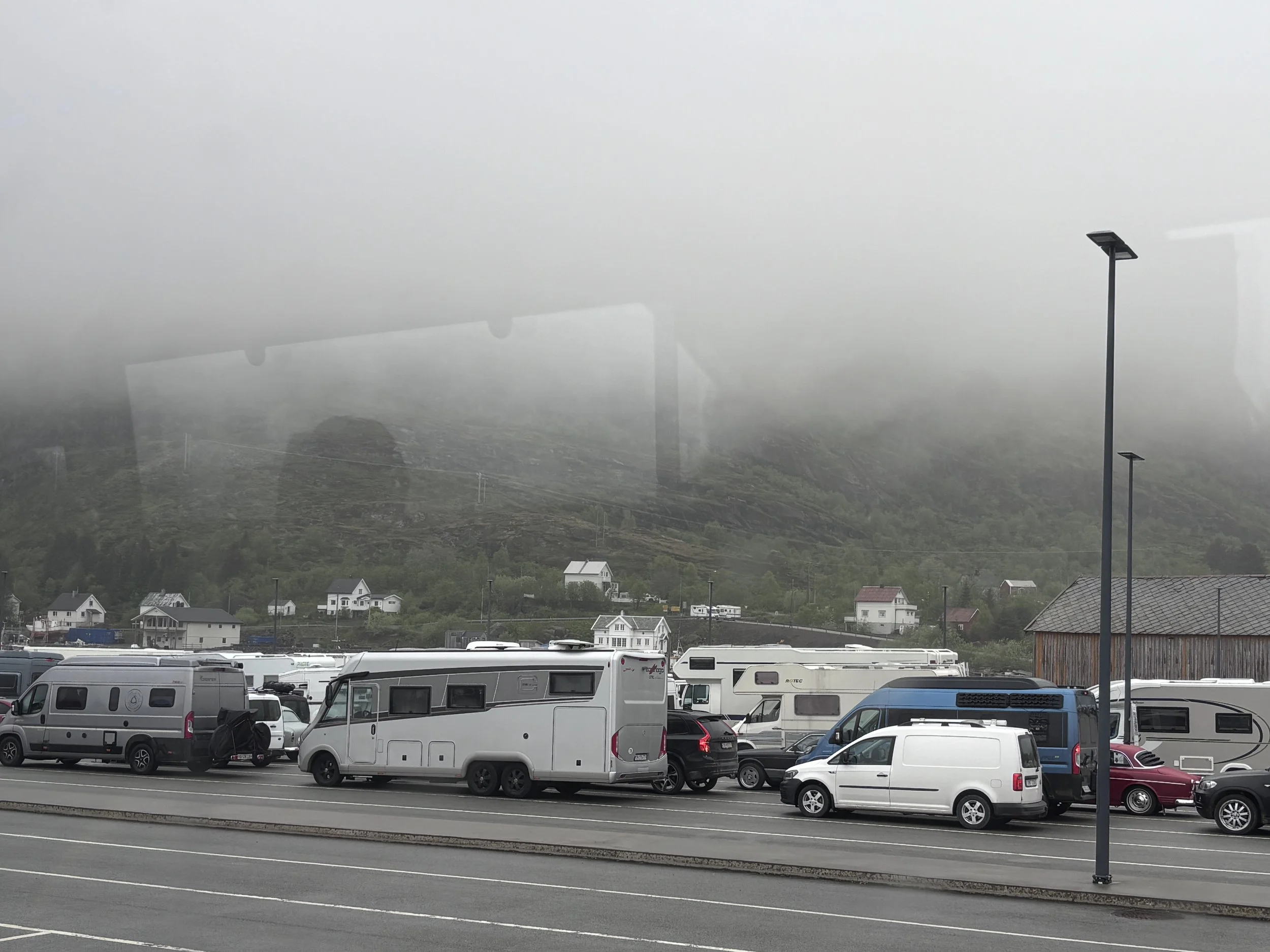
Fishing still happens in Lofoten, but increasingly at a different, more industrial scale. In Å, tourism has become the dominant force. Around 60 people live here. Around 30,000 visit each year. We spoke about these tensions - campervans blocking roads, visitors wandering too close to private homes, the difficulty of maintaining everyday life within a place that is constantly looked at.
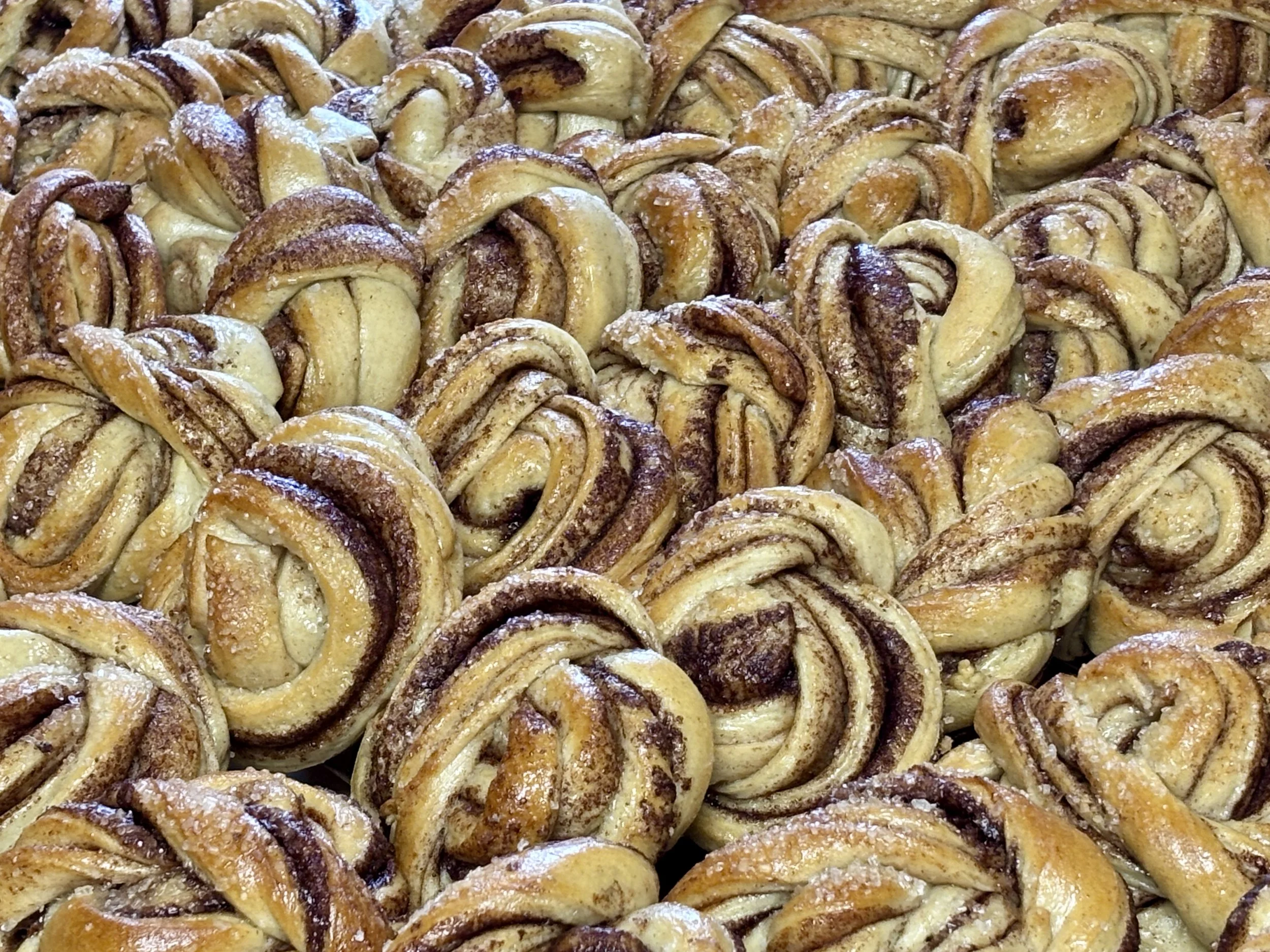
And yet, there are moments that gel. The bakery, for example, where people gather without being asked. A small, informal space where locals and visitors albeit briefly share the same table.
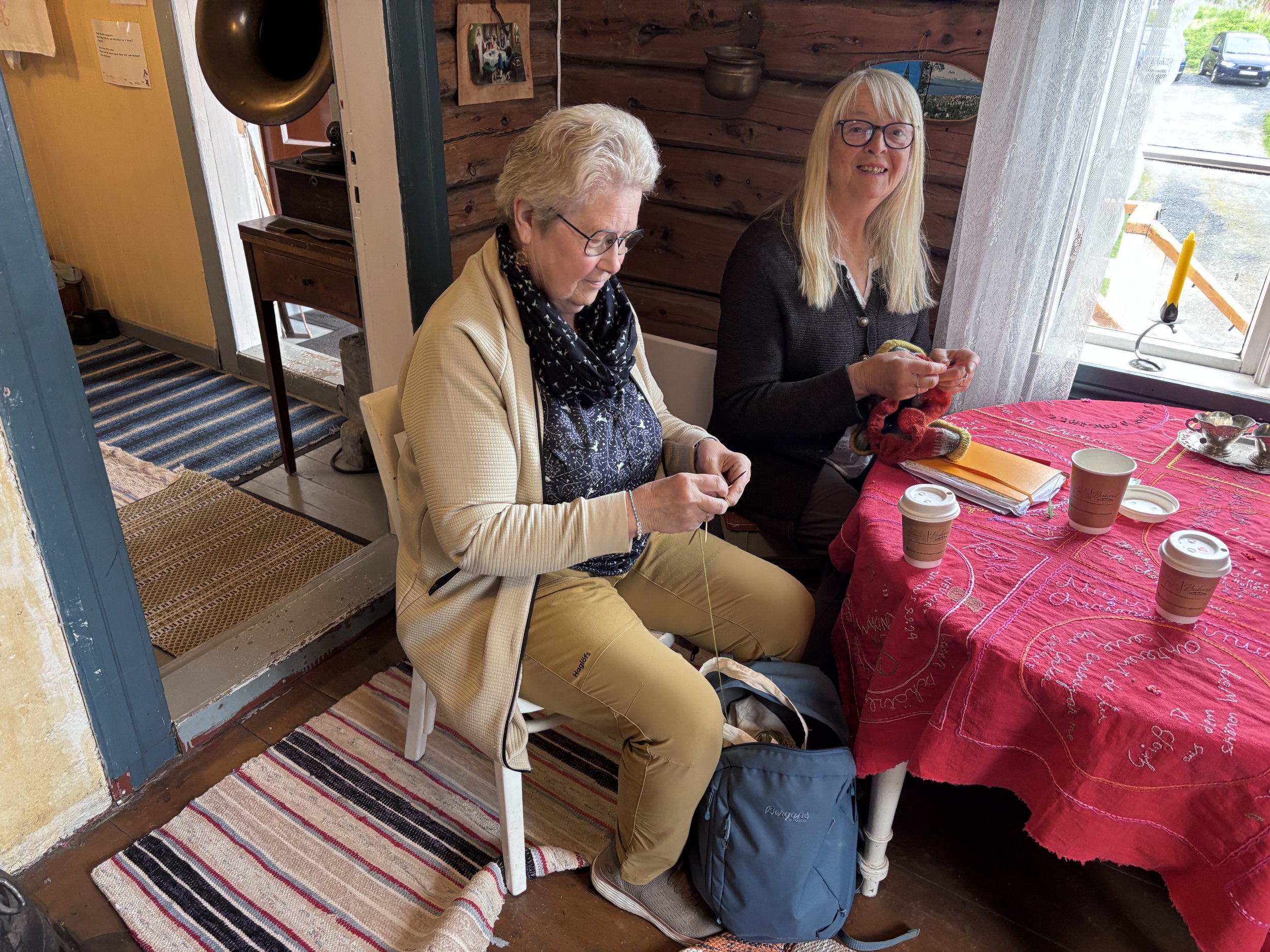
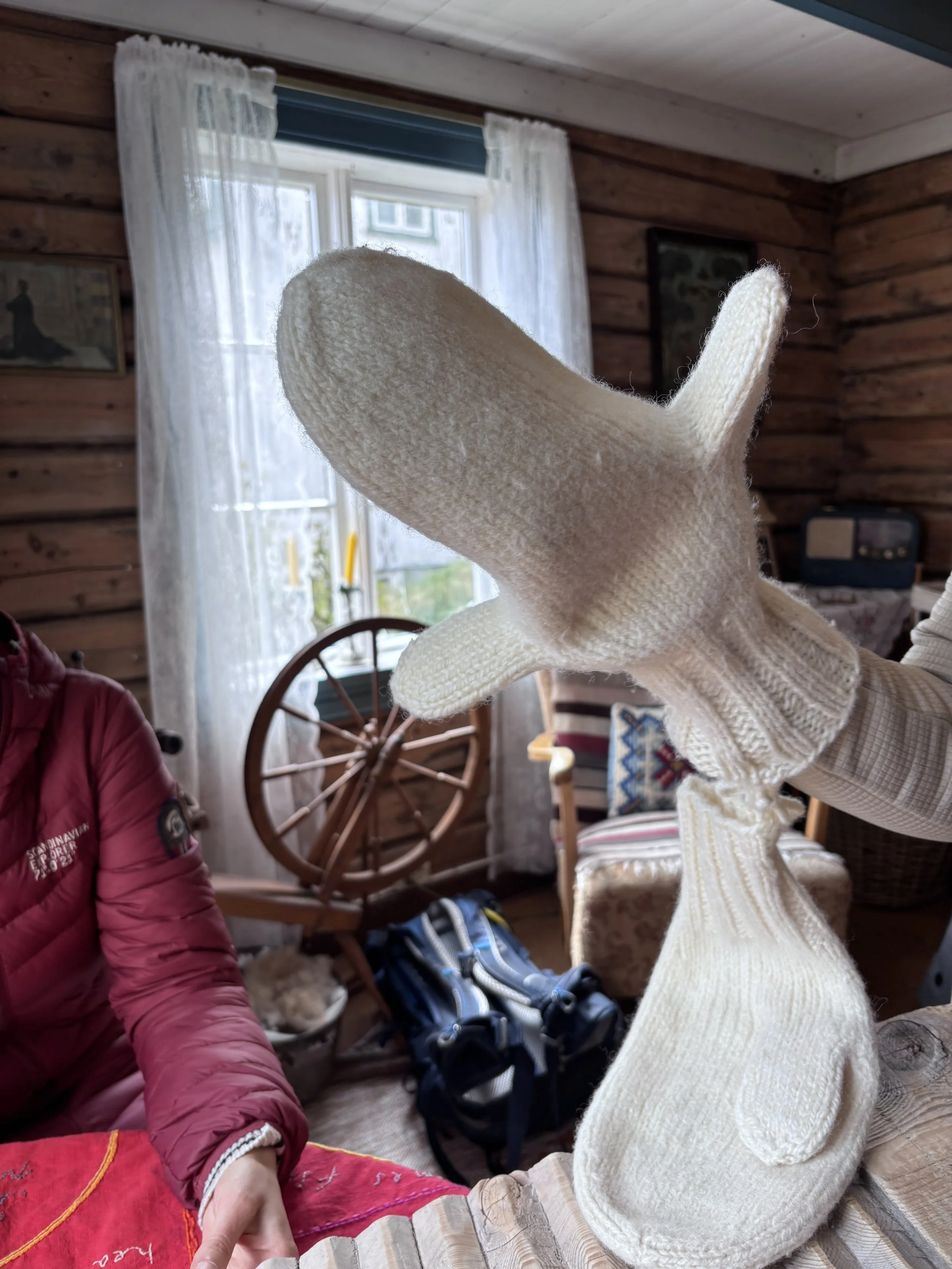
It made me think about tempo. What happens if we slow things down? If we take time to listen to each other? Nora knits constantly. Not as a demonstration, but as part of life. She shows me gloves with two thumbs, so they can be turned when worn through. Knitting, here, is not heritage - I feel it is a way of holding things together. Perhaps that is where something begins.
Not with solutions, but with attention. With small acts of gathering. With practices that already exist. Knitting the many “Os” of Å together, as Agnes says - its endings and beginnings - back into relation.