Kiruna: old and new town
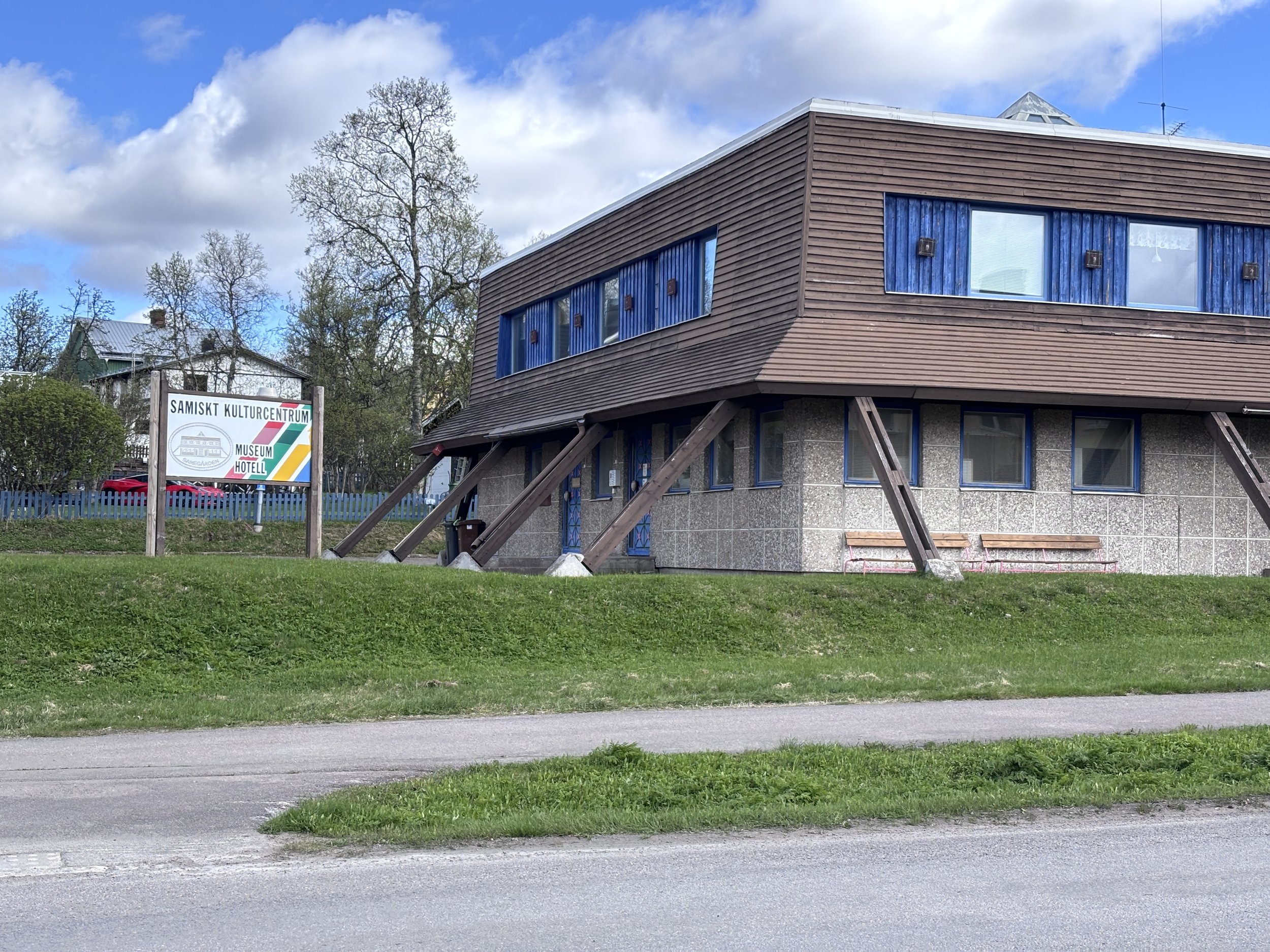
Samigard Hotel and Museum
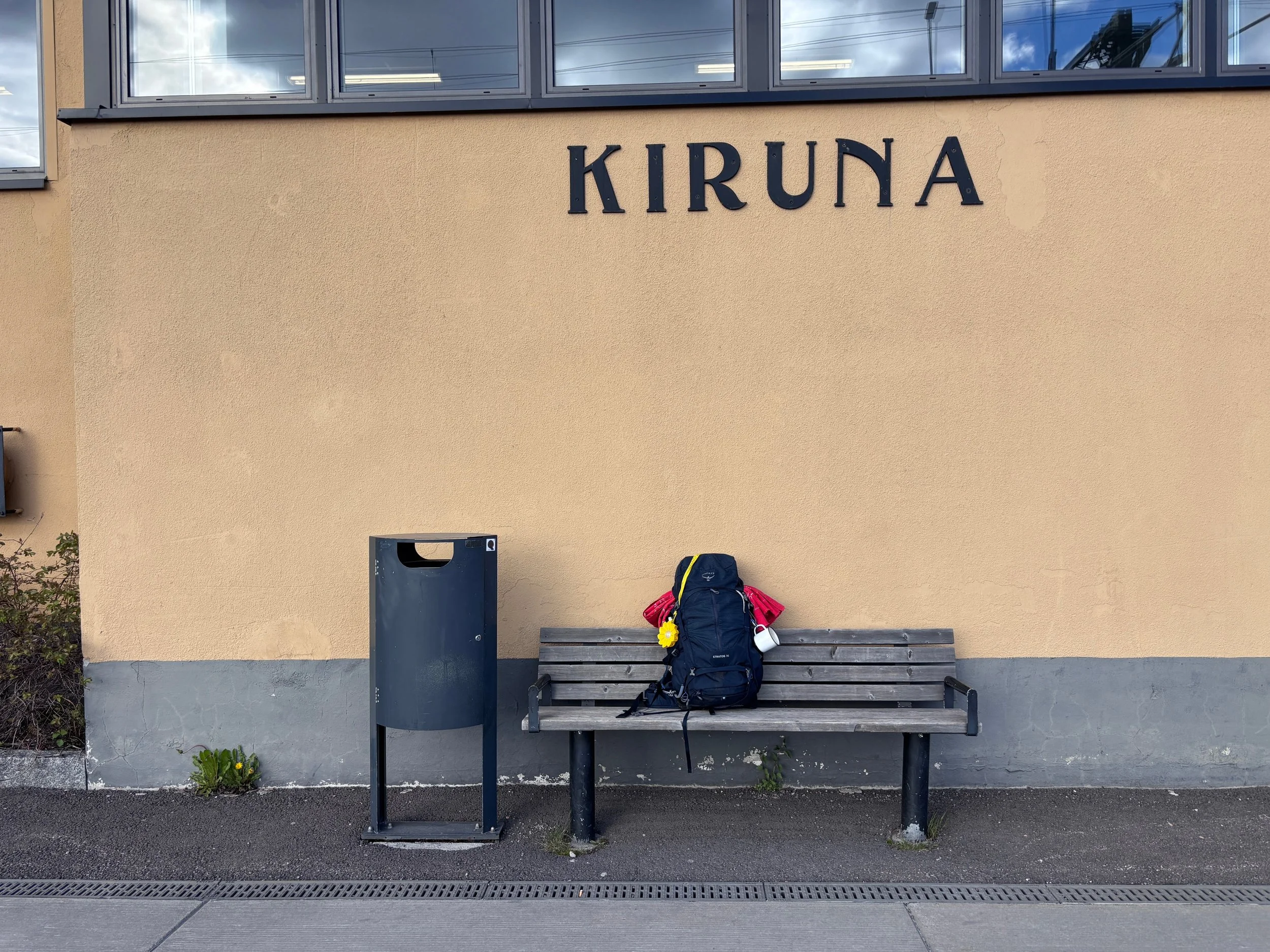
From the Lofoten, my Eutopia/Intertale journey took me north to Narvik and then through Sápmi, crossing the twin towns and their invisible time and country border of Haparanda and Tornio, from where there was a sleeper train down to Helsinki. On the way, I stopped in Kiruna, where I had arranged to meet Maria Lind, who kindly gave me thirty minutes of her busy time to show me the KIN Museum, and the Sàmi exhibition she was soon to open.
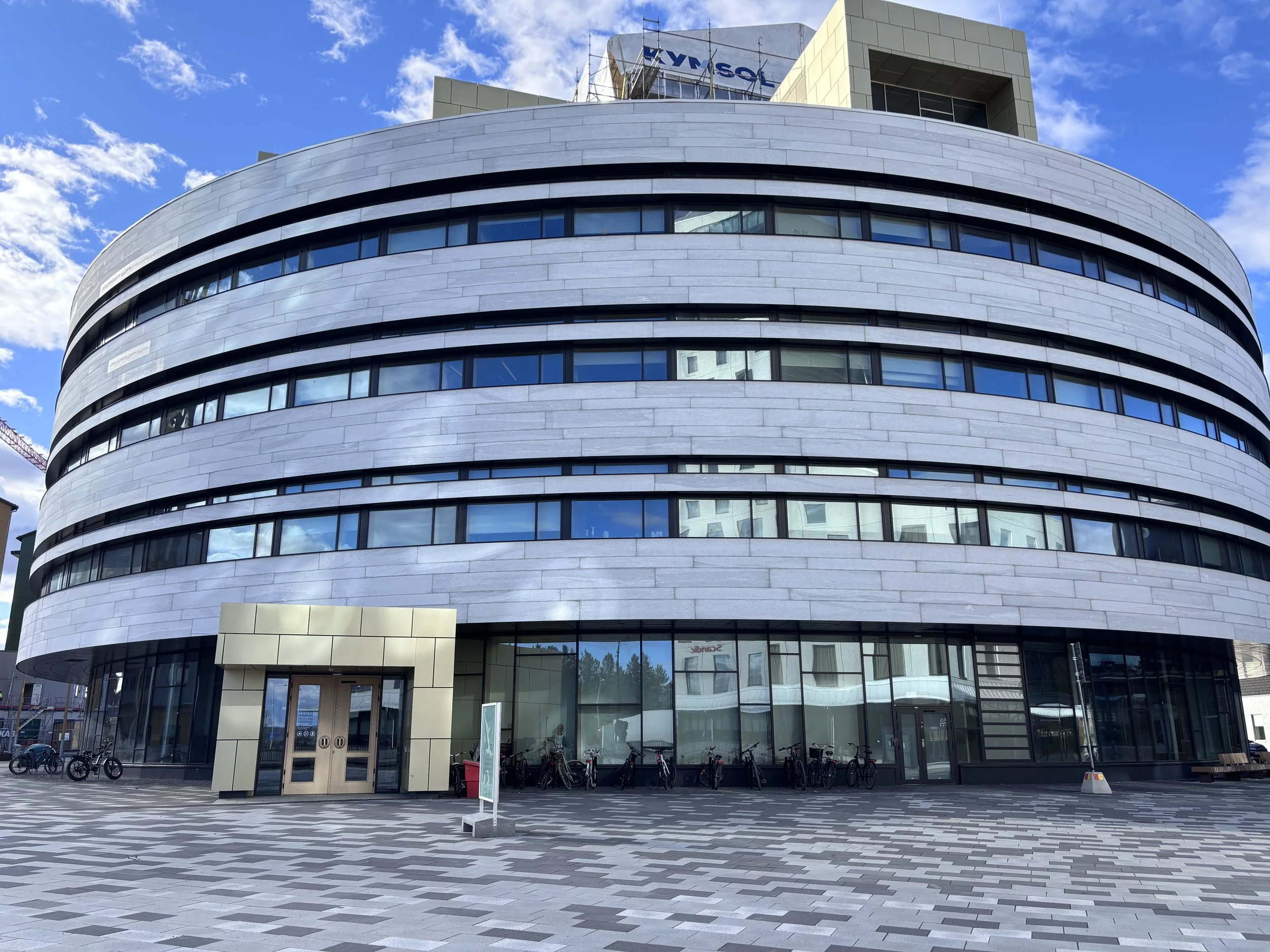
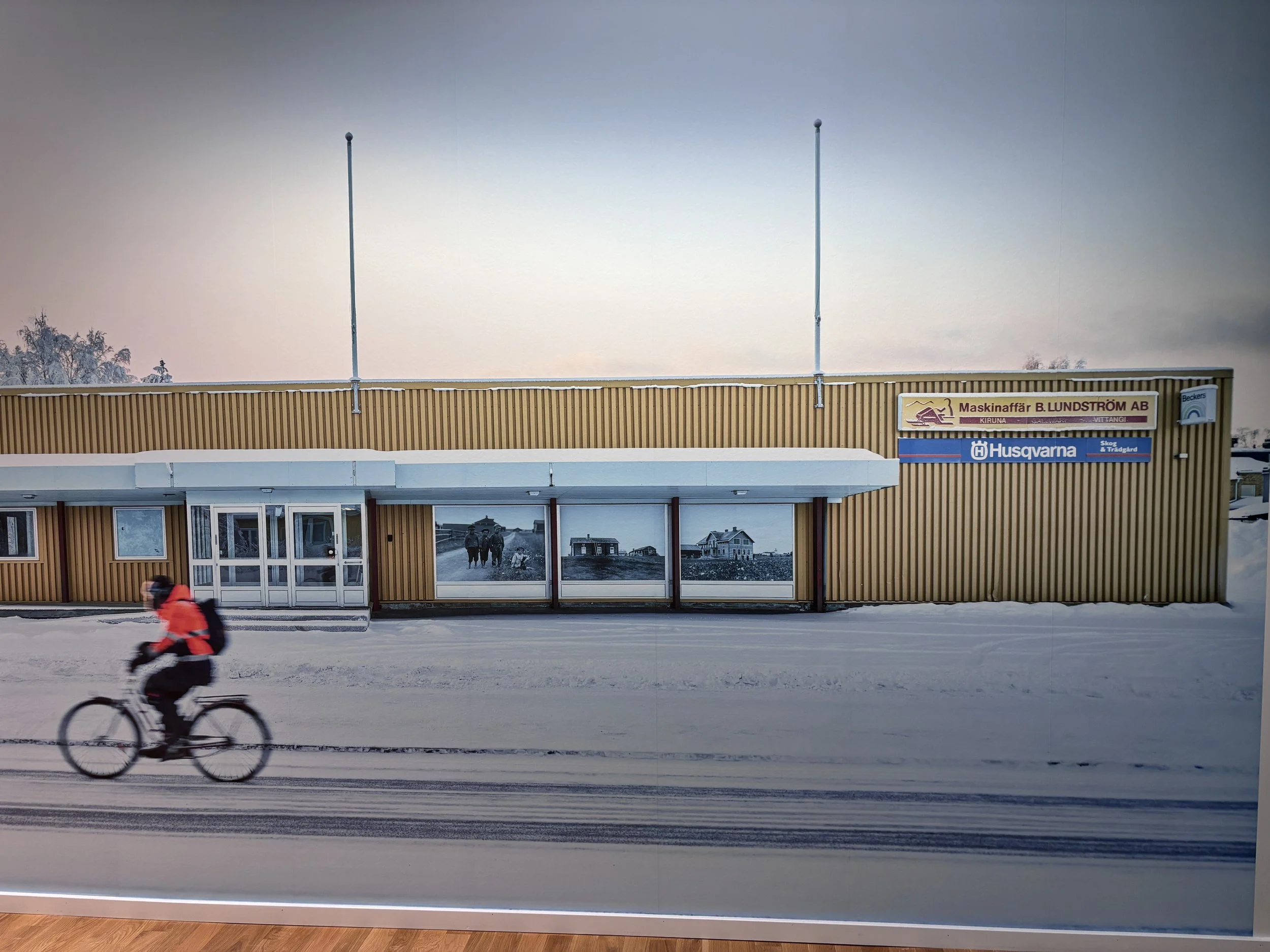
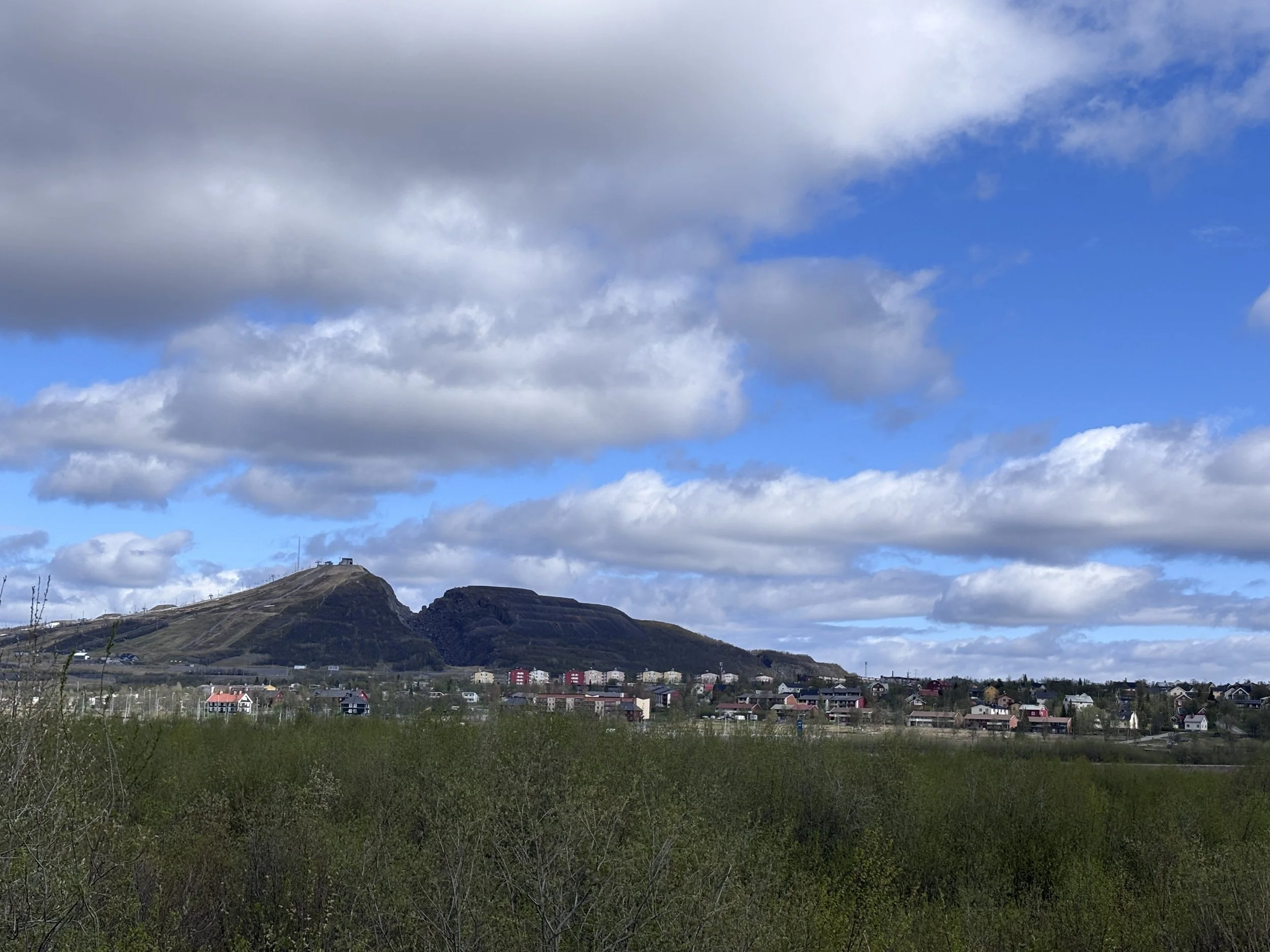
KIN somehow sits oddly within Kiruna's new architecturally celebrated town centre, built around the latest round of extraction. I was curious what the role of a contemporary art museum should be in a town which is undergoing one of the strangest processes of modern times: an entire town being moved to allow further iron ore mining. A third of the buildings, including the main church, have already been relocated, while others such as the old town hall have been demolished and built afresh in the new town some 5km further. It all feels rather surreal. This made me wonder how art, heritage and everyday life might inhabit such contradictions, and how institutions might operate within them rather than attempt to resolve them. To understand this better, I then walked from the old centre to the state-owned mining company and, in doing so, encountered dimensions of extraction that are difficult to comprehend, both in scale and in social/community terms.
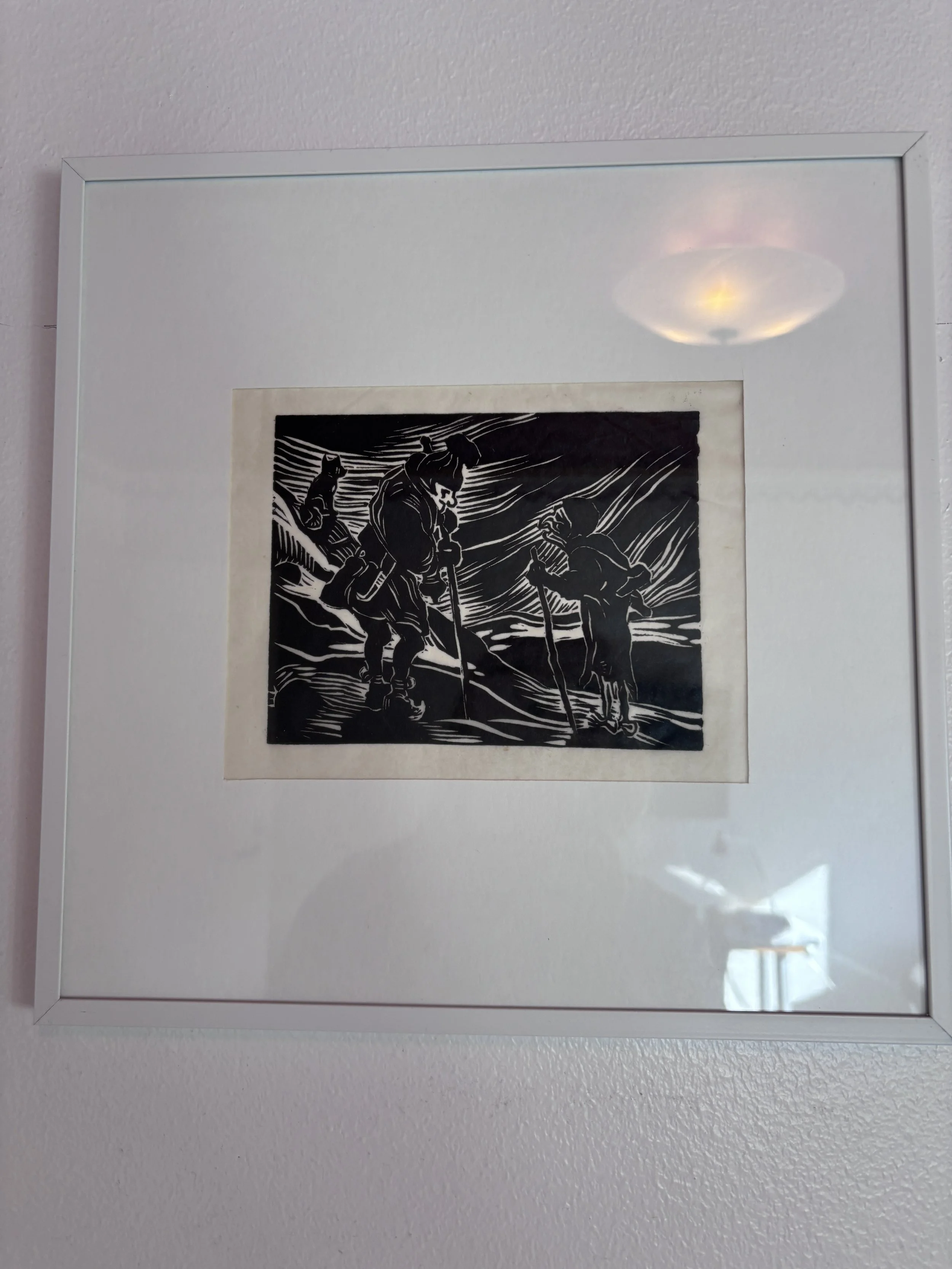
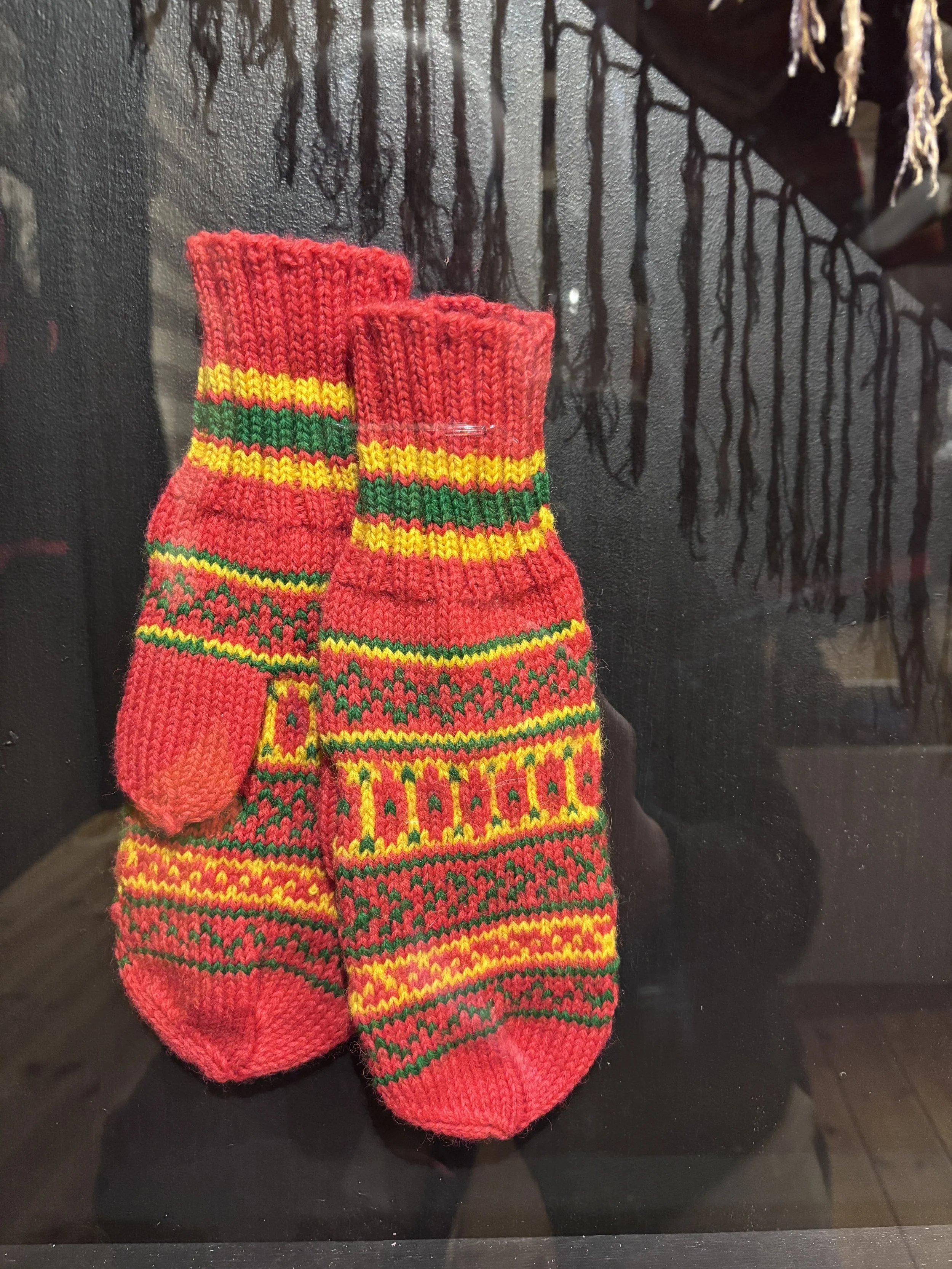
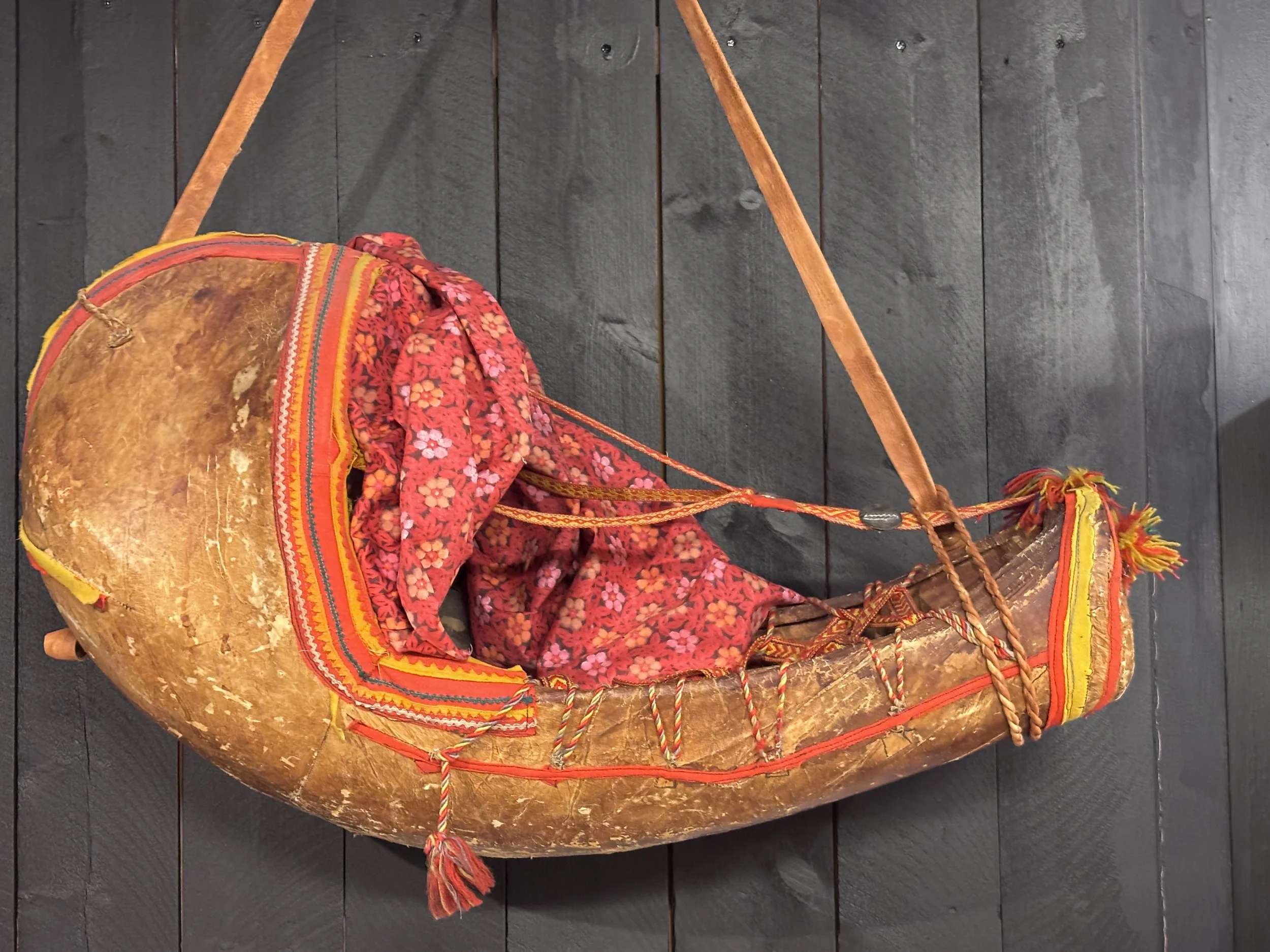
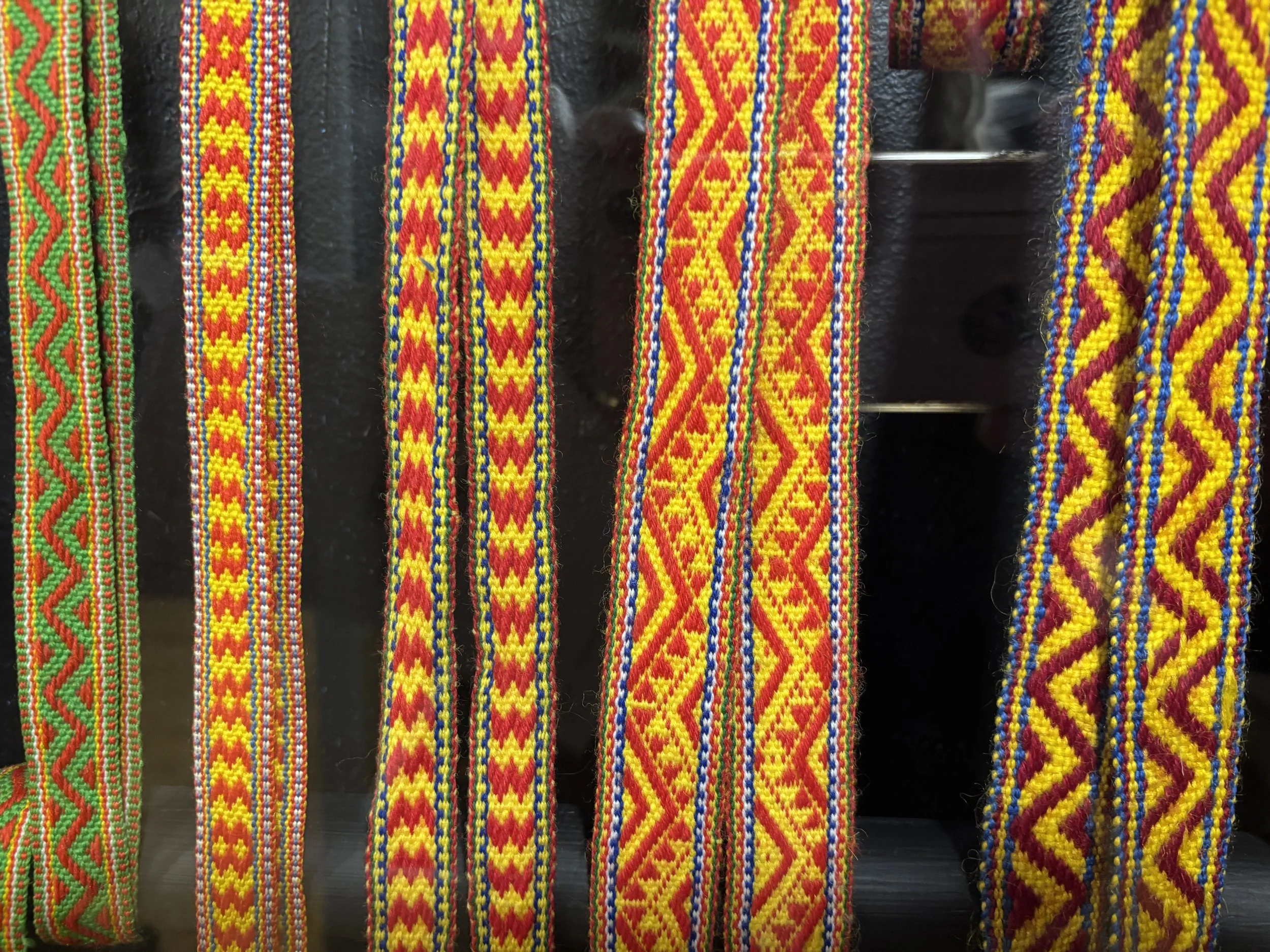
While in Kiruna, I stayed at Sàmigard (Sàmi garden), organised by the Sàmiskt Kulturzentrum which houses both a small hotel and a museum. The place was just an inspiring delight where one finds Sámi life everywhere: in the bed rooms, on the staircases and in the kitchen. The museum itself is an old-fashioned but deeply affecting collection of reindeer and Sámi craft, photographs and everyday objects, as well as a small gallery room which featured the artist Britta Marakat-Labba (who also was chosen as one of the artists for the forthcoming exhibition in the KIN museum). I was struck by the idea of combining contemporary art with the museum within this lived-in environment. It felt less like an institution and more like a place — perhaps more authentic, though I hesitate to use that word — a way of reaching artists, locals and visitors alike through stories of difficult histories and contemporary situations.
I keep wondering whether institutions always need to separate art from life so carefully. In places like Kiruna, where the ground itself is unstable and the town continues its strange migration across the landscape, I found myself more drawn to places that seemed inhabited than to those that appear just designed.