Many Shades of Gray
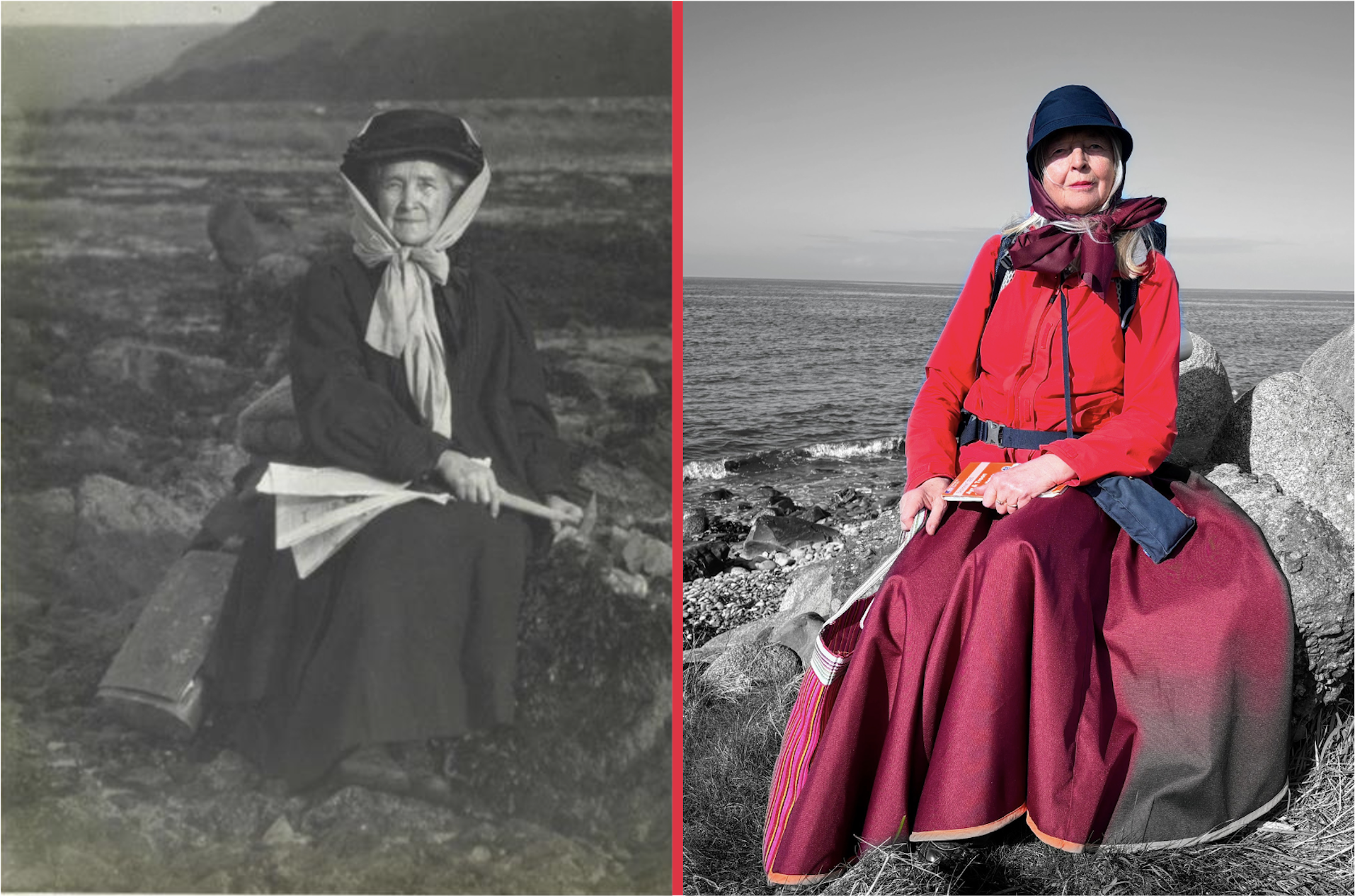
Many Shades of Gray took place along the Carrick coast inspired by Elizabeth Anderson Gray (1831–1924), one of Scotland’s foremost geologists. Working at a time when women were excluded from scientific societies, Gray spent decades walking these shores in long dress attire, collecting fossils that helped shape understanding of the region’s 450-million-year-old strata. Much of her contribution remained overshadowed in her lifetime. Her fossils can today be found in the collections of the National History Museum in London, and Glasgow’s Hunterian Museum.
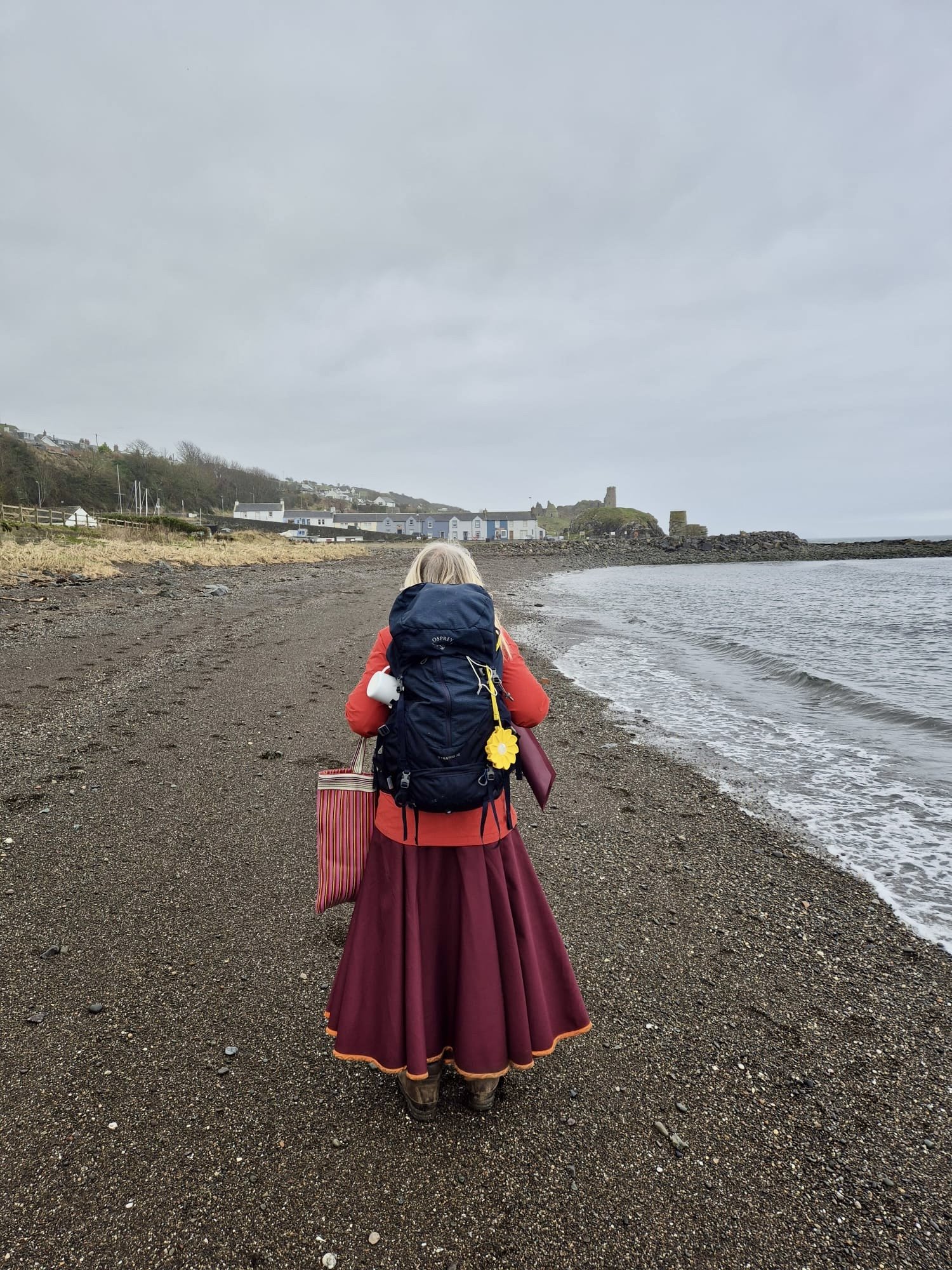
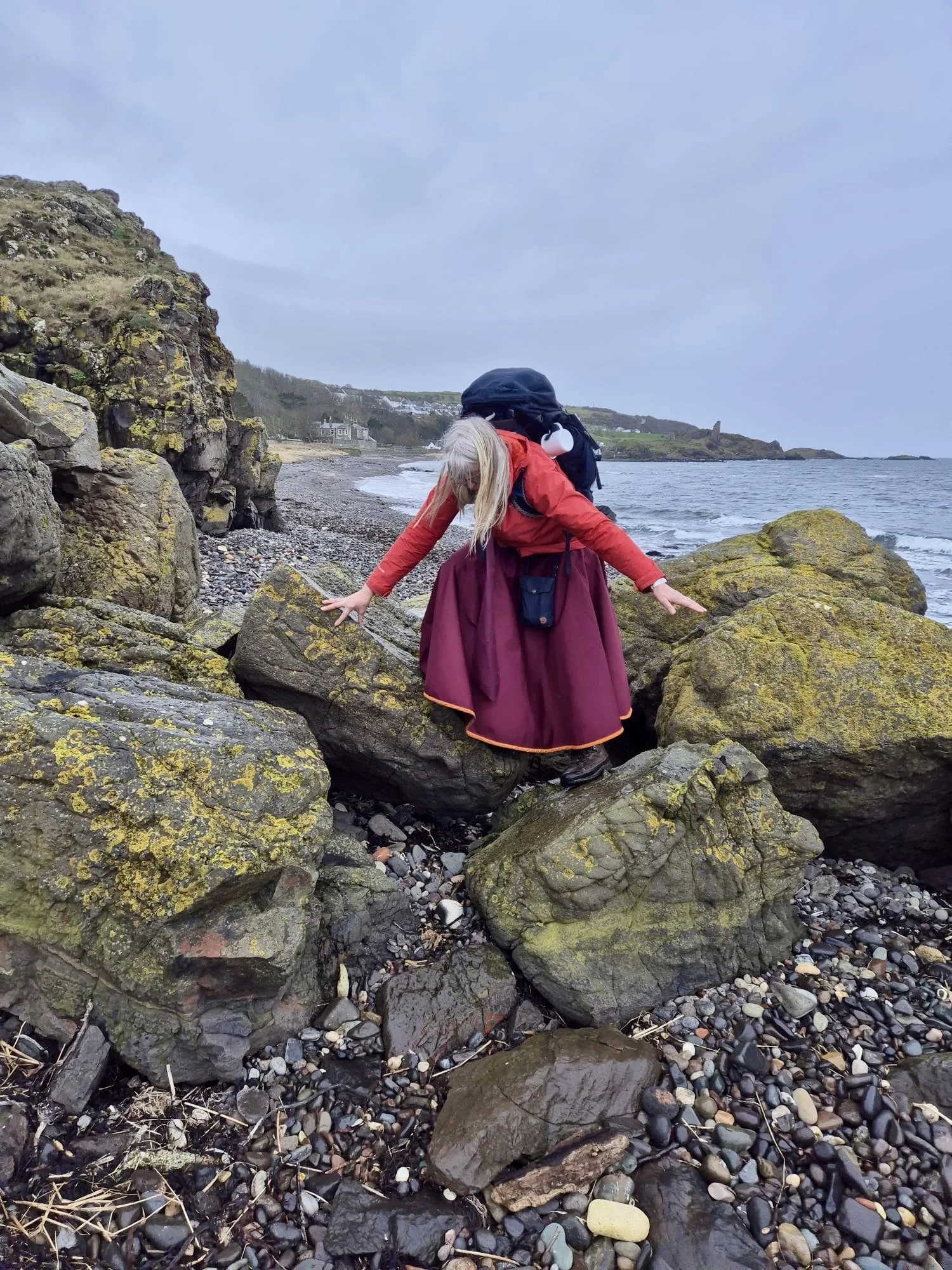
Walking sections of the same coastline today, I followed Gray’s spirit of fieldwork — but my long frock was of Gore-Tex rather than Victorian wools. Instead of searching for ancient fossils, I am gathering what lies at our feet now: colourful remnants of fossil-fuel culture. Things that may one day form a new geological layer — the trace of our age: the “Plastocene”. By placing Gray’s deep-time discoveries alongside the debris of the present, the project asks how people in future might read our era in many years to come. What will remain? What will our materials tell?
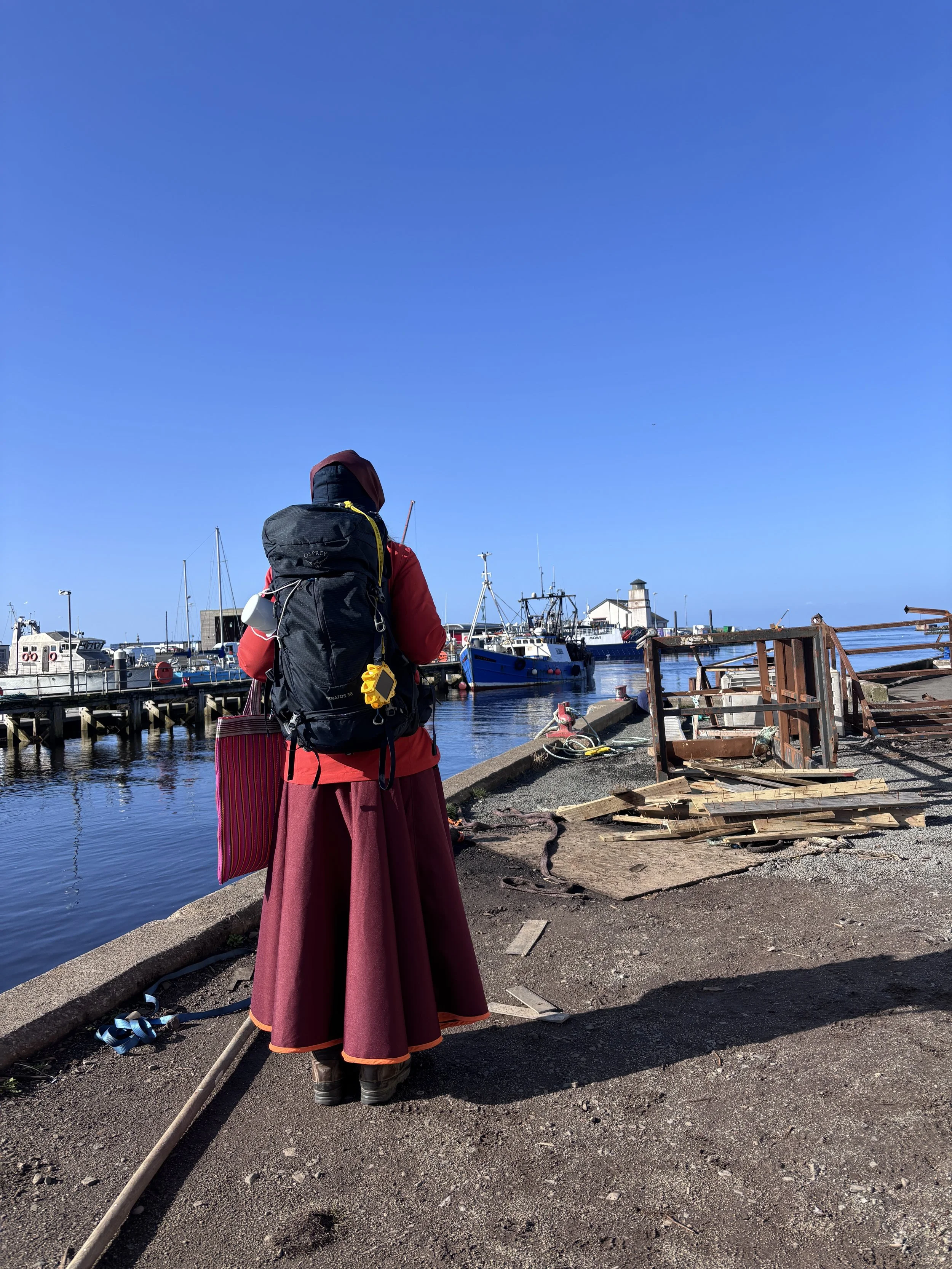
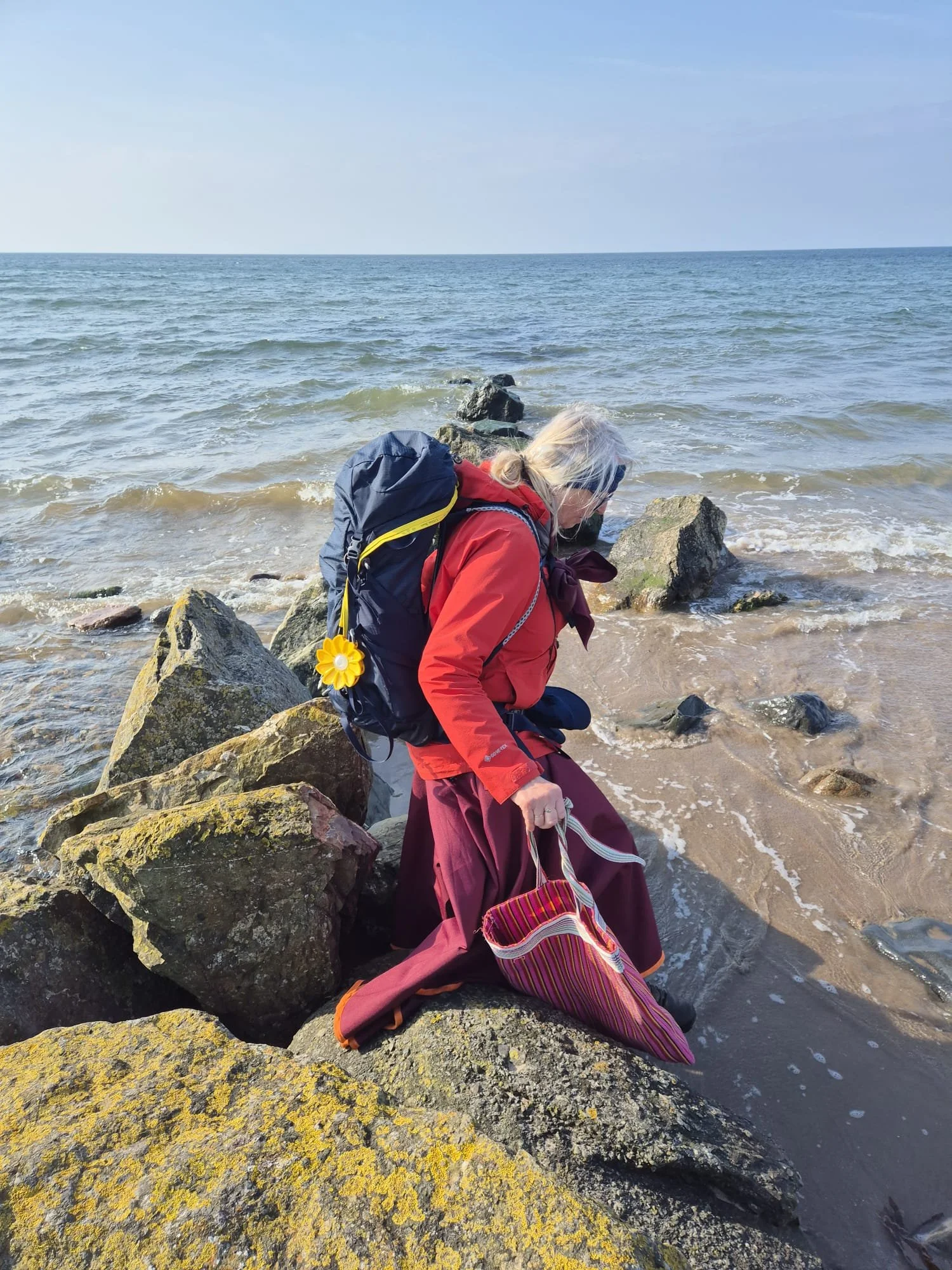
This project is supported through a programme of work delivered by Feral and funded by Creative Scotland. Supported by South Ayrshire Council. Feral’s outdoor arts residency programme is aimed at Scotland based artists interested in developing outdoor or site-specific performance projects responding to landscape.
Modern Gore-Tex dress made in collaboration with artist Natalie Taylor.
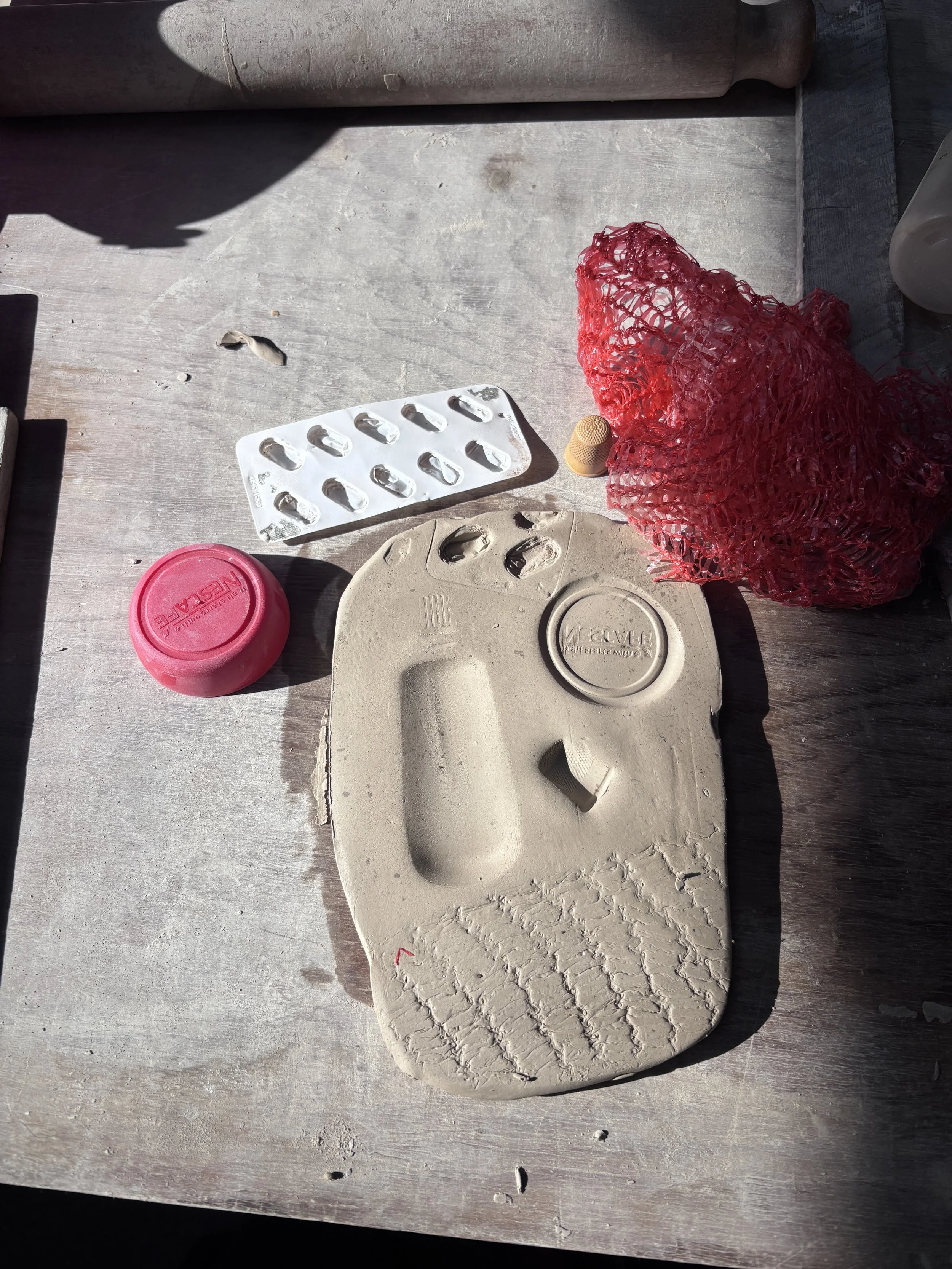
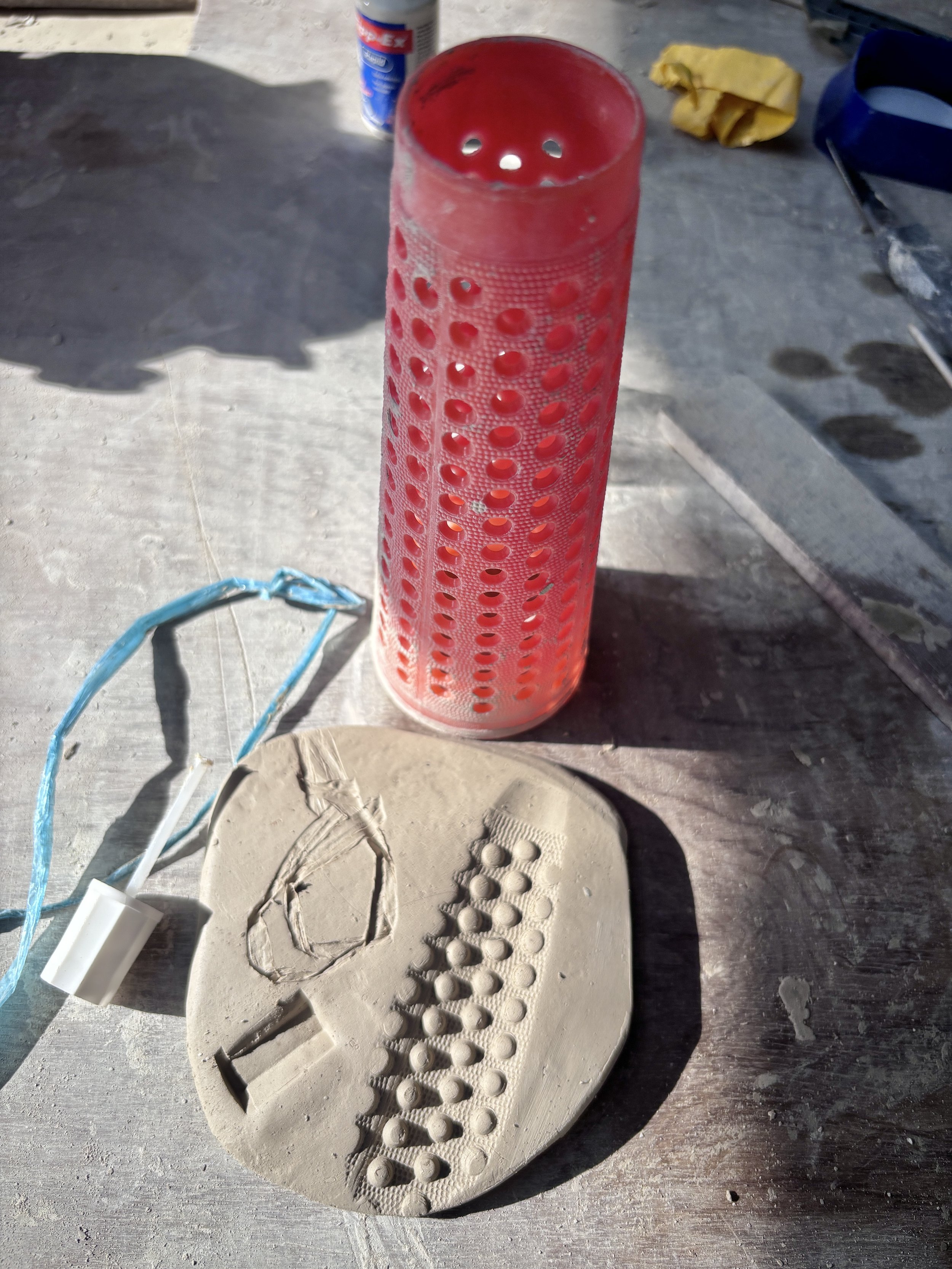
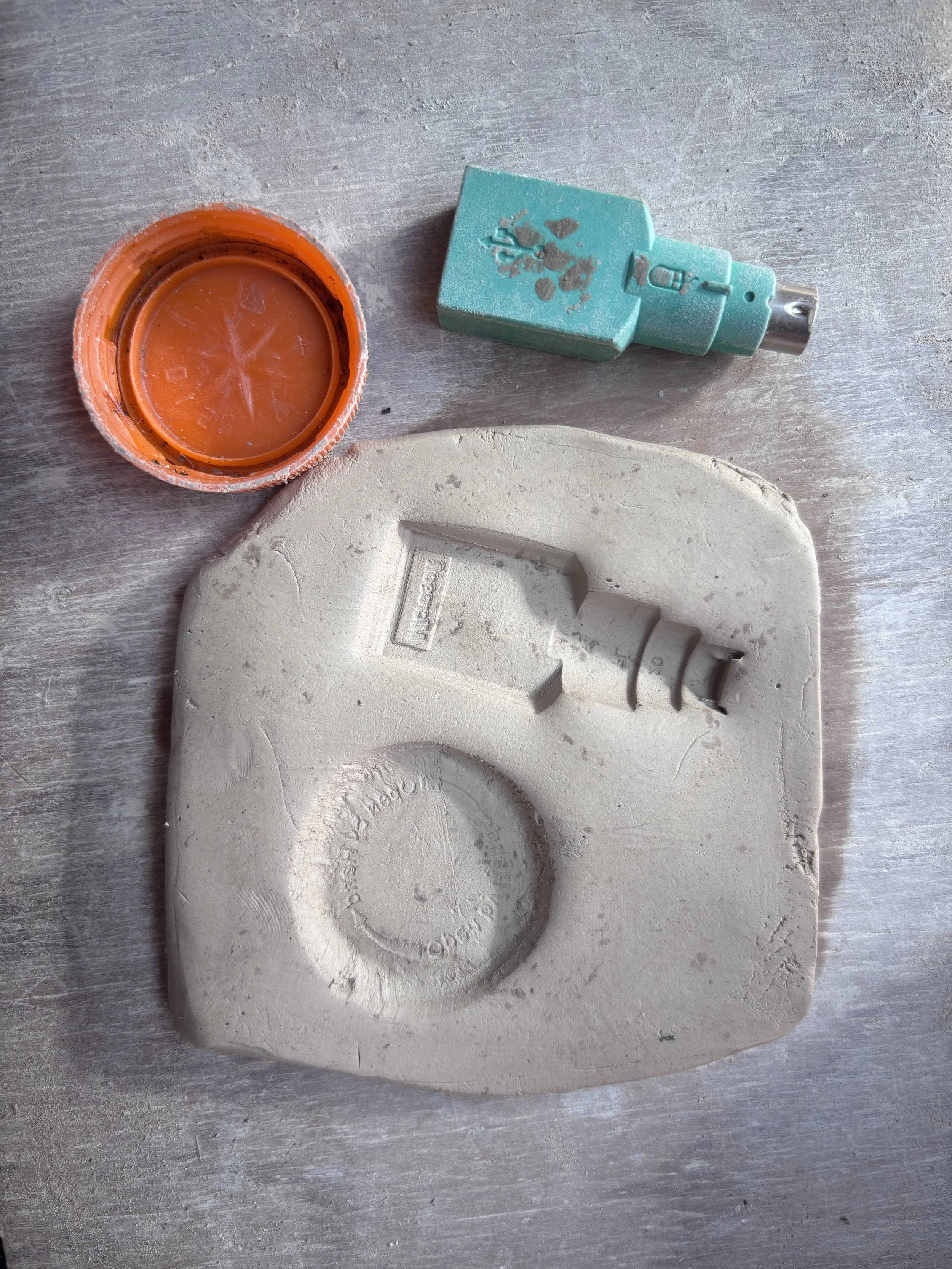
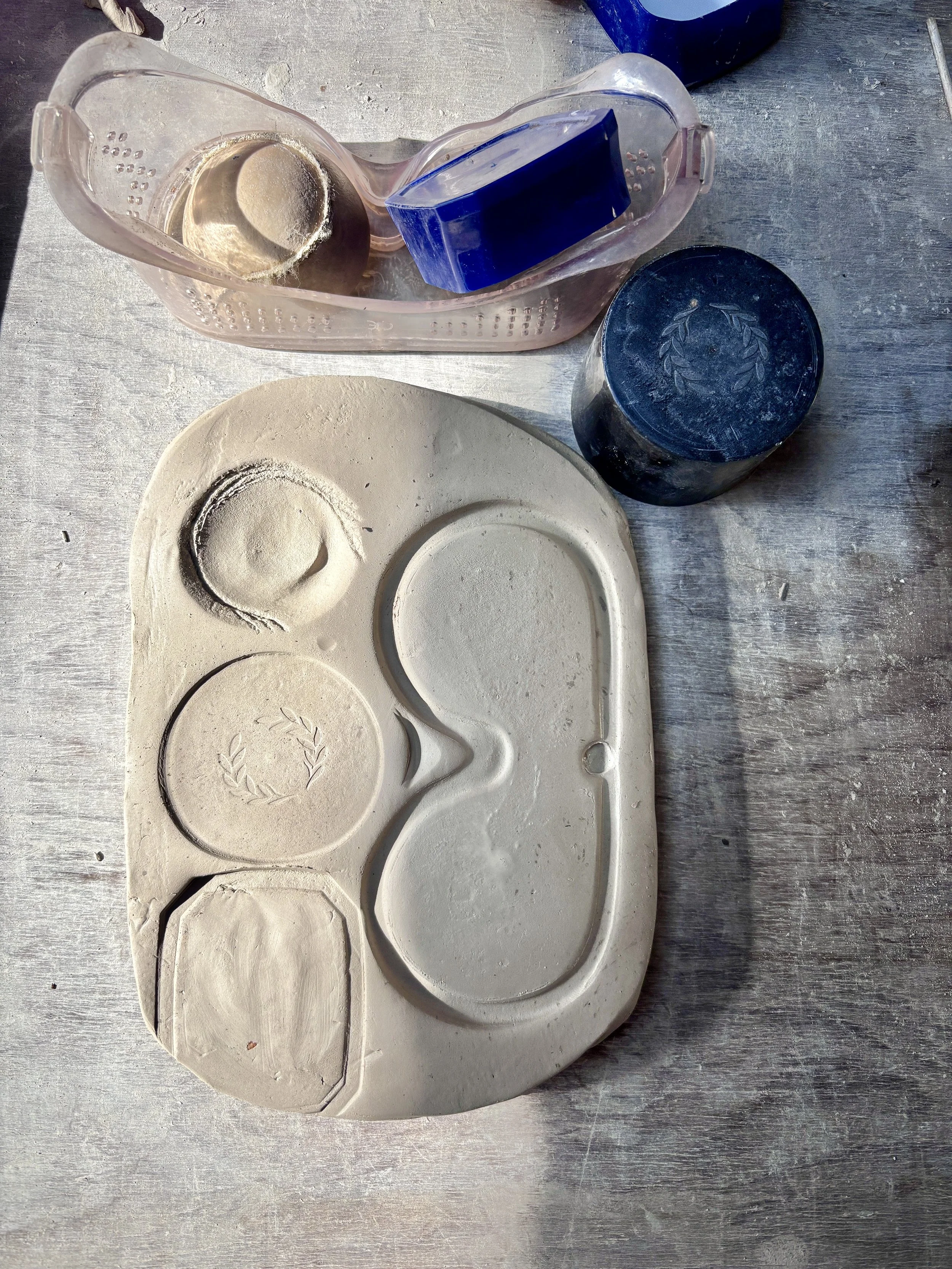
Plastocene Clay Works. In collaboration with Winifred Wright, WAVE Gallery, Girvan
Plastocene (or Plasticene) is a proposed, informal geological term for a new, current epoch characterized by the widespread, enduring pollution of plastic in the environment. Coined in the 2010s, it marks a time where plastic waste becomes a permanent feature in Earth’s sedimentary layers, ecosystems, and new types of rocks, such as plastiglomerates.